
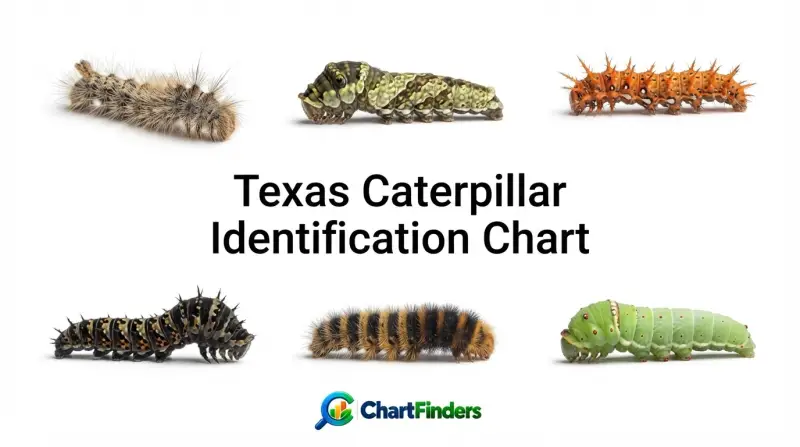
The state of Texas possesses a remarkably diverse insect ecosystem driven by its vast climatic range, spanning from the piney woods of East Texas to the arid brush country of the south and the high plains of the panhandle. Among the most frequently encountered, feared, and admired insects in this landscape are caterpillars—the larval stage of moths and butterflies. Encountering a caterpillar in a suburban backyard, a state park, or an agricultural field often triggers an immediate question: Is this creature dangerous, or is it a harmless pollinator in the making?
Because Texas hosts a high concentration of both venomous species and remarkable giant silk moths, field identification requires a structured approach. Misidentifications often lead to unnecessary pesticide application, accidental contact with toxic hairs, or the destruction of critical beneficial species like the Monarch or Spicebush Swallowtail. This comprehensive guide serves as an authoritative master reference, providing field-tested identification frameworks, morphological breakdowns, seasonal emergence data, and safety protocols for navigating the state’s lepidopteran population.
Texas Caterpillar Identification Chart and Field Guide
- Texas features more than 50 species of stinging or venomous caterpillars, with peak seasonal encounters occurring primarily in April and June.
- Morphological features such as long feathered hairs, rigid horns, fleshy tubercles, and bright warning (aposematic) coloration are critical primary identification filters.
- Venomous species like the Asp (Southern Flannel Moth) deliver severe systemic reactions via hollow spines hidden beneath dense fur, whereas harmless look-alikes lack venom delivery systems.
- Host plant association (e.g., oak, hackberry, citrus, passionflower) narrows down identification candidates faster than visual appearance alone.
- Beneficial and non-stinging giants—such as the Hickory Horned Devil and Tersa Sphinx—are completely harmless despite their intimidating physical appearance.
Navigating the rich caterpillar fauna of the Lone Star State requires moving beyond guesswork. The following comprehensive reference matrix details the most commonly encountered, ecologically significant, and medically important caterpillars across Texas, categorizing them by appearance, host plants, behavior, and potential risk.
| Common Name | Scientific Name | Primary Identification Clues | Host Plants | Encounter Season | Sting / Toxicity Risk |
|---|---|---|---|---|---|
| Asp / Puss Caterpillar | Megalopyge opercularis | Tear-drop shape; thick, soft, golden-brown to gray fur hiding venomous spines. | Oak, elm, citrus, hackberry, sycamore | April – November (Peaks April/June) | Severe. High toxicity; causes intense burning pain, headaches, and vomiting. |
| Buck Moth Caterpillar | Hemileuca maia | Dark body covered in clusters of branched, hollow, spine-tipped tubercles. | Oak species (Live oak, post oak) | Spring (March – May) | Moderate to Severe. Stings cause sharp pain, localized swelling, and numbness. |
| Saddleback Caterpillar | Acharia stimulea | Brownish body with a bright green saddle-like patch outlined in white and a brown center. | Corn, oak, cherry, apple, elms | Summer – Fall | High. Venomous stinging spines on prominent fleshy horns. |
| Io Moth Caterpillar | Automeris io | Lime green with a distinct reddish-white lateral stripe along each side; branched green spines. | Corn, willow, hackberry, mesquite, redbud | Spring – Autumn | Moderate. Spines deliver a painful, bee-sting-like reaction. |
| Hickory Horned Devil | Citheronia regalis | Massive (up to 6 inches); turquoise-green body with large, curved orange-red horns near the head. | Walnut, hickory, sweetgum, persimmon | July – October | None. Completely harmless despite intimidating dragon-like appearance. |
| Monarch Caterpillar | Danaus plexippus | Distinct black, white, and yellow transverse stripes; two pairs of fleshy filaments (antennae). | Milkweed species (Asclepias) | March – November (Migration dependent) | Non-stinging. Toxic if ingested by predators due to sequestered cardiac glycosides. |
| Giant Swallowtail Larva | Papilio cresphontes | Mottled brown and white coloration resembling bird droppings (instar dependent); orange osmeterium. | Citrus, prickly ash, rue | Spring – Fall (Multiple generations) | None. Defends itself by everting a foul-smelling orange scent gland (osmeterium). |
| Tersa Sphinx Larva | Xylophanes tersa | Slender green or brown body with distinct eye-spots along the thorax and a stiff, pointed tail horn. | Star jasmine, pentas, buttonweed | Summer – Autumn | None. Harmless sphingid larva; the rear horn is entirely soft and defensive-only. |
Understanding the data in the reference chart requires looking closer at how ecological variables dictate caterpillar populations in Texas. Environmental shifts, urban landscaping choices, and seasonal weather patterns heavily influence when and where these species appear across different ecoregions.
Morphological Categories and Identification Terminology
Caterpillar morphology is evolutionary design tailored for survival. To accurately identify a specimen in a Texas field or garden, observers must classify the physical architecture of the larva into one of several distinct structural groups:
- Furry and Tufted (Stinging Risk): Members of the slug moth family (Limacodidae) and flannel moth family (Megalopygidae) feature dense tufts of hair or gelatinous appearances. In many cases, these hairs conceal razor-sharp, hollow urticating spines connected to venom glands.
- Spiny and Horned: Brush-footed butterflies (Nymphalidae) and giant silk moths (Saturniidae) often sport branching spines or rigid dorsal horns. While some spines are venomous (e.g., Io and Buck moths), others like those on Sphinx moths (Sphingidae) are completely benign tail horns meant to deter visual predators.
- Smooth and Naked: Swallowtails (Papilionidae), white/sulfurs (Pieridae), and many owlet moths (Noctuidae) lack specialized defensive hairs. Instead, they rely on cryptic coloration (mimicking twigs or leaves), aposematic warning patterns, or chemical defense mechanisms (such as regurgitation or foul-smelling osmeteria).
To deepen field proficiency, observers should master key anatomical terms:
- Setae / Urticating Hairs: Specialized hairs or bristles that can detach and irritate skin or inject toxin.
- Tubercles: Raised, pimple-like or wart-like bumps on the integument, often bearing spines.
- Osmeterium: A fleshy, fork-like glandular organ emerging from behind the head of swallowtail caterpillars when threatened, emitting a pungent, foul-smelling chemical deterrent.
- Prolegs: Fleshy, unsegmented abdominal appendages equipped with tiny hooks (crochets) that help caterpillars grip surfaces. True legs are located on the thorax.
Seasonal Dynamics and Environmental Triggers in Texas
Texas experiences two major windows of high caterpillar activity: the spring surge (April through May) and the early summer emergence (June). During these periods, deciduous trees flush with tender new foliage, triggering the hatching of over-wintered pupae and the rapid growth of larval broods.
Spring encounters are dominated by oak-feeding species such as the Asp, Buck Moth, and Oak Leafroller. As temperatures climb and humidity increases across East and Central Texas, tropical and subtropical migrants—including various sphinx moths and swallowtails—push northward from Mexico and the Gulf Coast. Extended droughts can suppress certain populations, while timely spring rains often precipitate massive population spikes, particularly among stinging forest caterpillars.
Decoding Host Plant Relationships
One of the most reliable shortcuts in caterpillar identification is observing the host plant. Many species are oligophagous (feeding on a narrow range of related plant species) or monophagous (restricted to a single plant genus). Knowing what plant a larva is consuming immediately eliminates dozens of incorrect identification possibilities:
- Live Oak and Post Oak: Prime feeding grounds for the Asp Puss Caterpillar, Buck Moth, and several species of tent caterpillars and datana moths.
- Citrus and Rue: The primary nurseries for the Giant Swallowtail (often called the “orange dog”) and Black Swallowtail.
- Milkweed (Asclepias spp.): Exclusively supports a specialized group of specialists, including the Monarch, Queen, and Soldier butterflies.
- Passionflower (Passiflora spp.): Hosts the Gulf Fritillary and Crimson Patch caterpillars, both featuring striking, spiky profiles.
Differentiating Venomous vs. Harmless Species
The single most critical distinction for landowners and outdoor enthusiasts in Texas is separating medically significant stinging caterpillars from harmless look-alikes. Stinging caterpillars inject venom through specialized hollow setae (hairs) that break off upon contact with human skin. The reaction ranges from mild localized itching to severe throbbing pain, muscular cramping, and blistering.
Conversely, many harmless caterpillars employ Batesian or Müllerian mimicry—adopting bright warning colors or menacing horns to trick predators into thinking they are venomous. For example, the Hickory Horned Devil features terrifying orange horns and a massive size, yet it lacks any venom or stinging apparatus whatsoever. Handling it results in nothing more than a tickling sensation on the skin.
Step-by-Step Field Identification Protocol
When encountering an unfamiliar caterpillar in Texas, field identification should follow a strict, logical sequence to ensure accuracy and personal safety:
- Observe from a Safe Distance: Never touch, handle, or brush against an unknown caterpillar with bare skin. Use a stick, smartphone zoom lens, or macro camera to inspect fine details.
- Note the Host Plant: Record the exact tree, shrub, or herbaceous weed the caterpillar is feeding on or resting upon.
- Examine Body Appendages: Look closely for hidden spines, long feathered hairs, fleshy horns, or tail spikes. Check for distinct head capsules and proleg arrangements.
- Check Color and Markings: Document stripe patterns, eye-spots, saddle marks, or tufts of contrasting colors (e.g., bright yellow, red, black).
- Cross-Reference with Regional Data: Match the observed morphology and host plant against verified Texas entomological databases, local extension office guides, or specialized field keys.
Common Identification Mistakes and Pitfalls
Even experienced naturalists occasionally stumble when identifying Texas larvae due to common biological variables and visual traps:
- Instar Variations: Many caterpillars undergo multiple molts (instars) before pupating. A single species can change its color, pattern, and even the presence of spines dramatically between its first instar and its final instar. A smooth early-stage larva may look entirely different as a mature, heavily spined caterpillar.
- Assuming All Hairy Caterpillars Stings: While species like the Asp and Saddleback deliver painful stings, many fuzzy caterpillars—such as the Salt Marsh Caterpillar or Banded Woolly Bear—are entirely harmless and possess soft, defensive hairs that do not inject venom.
- Confusing Tail Horns with Stingers: Sphinx moth larvae (Manduca and Xylophanes genera) feature a prominent posterior “horn.” Novices frequently assume this horn is a venomous stinger. In reality, it is completely soft, immovable, and incapable of piercing human skin.
Frequently Asked Questions
When is the worst time of year for stinging caterpillars in Texas?
Stinging caterpillar encounters peak during the spring (April and May) and early summer (June) when new foliage flushes and larval populations feed heavily before pupation. A secondary, smaller peak often occurs in early fall across Central and East Texas.
What should I do if I am stung by an Asp or Saddleback caterpillar?
If venomous spines embed in your skin, immediately apply sticky tape (such as duct tape) to the area and gently strip it away to pull out hidden hairs. Wash the affected site thoroughly with soap and water, apply an ice pack to reduce swelling, and use over-the-counter antihistamines or hydrocortisone cream. Seek medical attention immediately if systemic symptoms like nausea, chest tightness, or severe dizziness develop.
Are all green caterpillars with horns dangerous?
No. While some spiny green caterpillars (such as the Io Moth) can sting, many large green caterpillars with a single rear horn are Sphinx moth larvae, which are completely harmless. The horn is a bluff used to frighten insectivorous birds and small mammals.
How can I attract beneficial butterflies while managing stinging pests?
You can balance garden safety by planting native host plants away from high-traffic pathways, children’s play areas, and outdoor seating zones. Designate specific, out-of-the-way garden beds for milkweed, passionflower, and native trees where larvae can complete their life cycles without posing an accidental contact risk.
Do any Texas caterpillars damage structural property or homes?
While caterpillars do not damage wooden structures like termites, certain species like the forest tent caterpillar or oak leafroller can occasionally defoliate shade trees en masse during population booms. However, healthy deciduous trees in Texas typically recover from single-season defoliation events by producing a secondary set of leaves later in the summer.
Mastering Texas caterpillar identification bridges the gap between fear and appreciation. By combining careful observation of morphological cues, host plant relationships, and seasonal timing, residents can safely coexist with the state’s remarkable entomological diversity while protecting beneficial pollinators and avoiding medically hazardous species.