
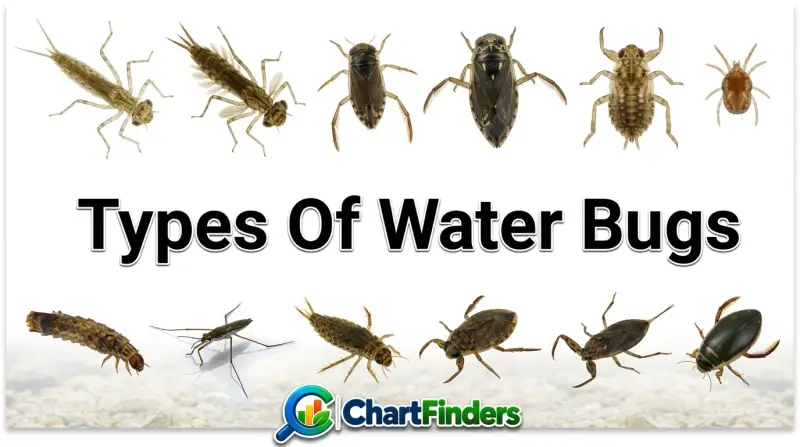
The study of aquatic and semi-aquatic entomology reveals a remarkable evolutionary transition: insects that successfully abandoned terrestrial ecosystems to colonize freshwater habitats while retaining their basic hemimetabolous bauplan. Far from being a single, uniform pest, the broad vernacular term “water bug” spans multiple families, feeding guilds, and ecological niches. Understanding these organisms requires looking past superficial similarities and examining their distinct morphological structures, respiratory adaptations, and predatory mechanisms.
In freshwater ecosystems ranging from alpine tarns to stagnant agricultural ditches, these insects occupy critical trophic levels. Some act as apex invertebrate predators capable of subduing small vertebrates, while others function as primary consumers grazing on periphyton and detritus. For researchers, pest control professionals, and naturalists, distinguishing among these groups is essential not only for accurate ecological assessment but also for medical reasons, as certain large species inflict painful defensive bites when handled.
Taxonomic Diversity and Types Of Water Bugs
- Water bugs belong predominantly to the true bug order Hemiptera (specifically infraorders Gerromorpha and Nepomorpha).
- Locomotion strategies vary drastically, separating species into surface skimmers, active sub-surface swimmers, and benthic crawlers.
- Respiration mechanisms differ significantly; many taxa utilize plastrons, air bubbles, or specialized posterior respiratory siphons.
- Dietary habits range widely from herbivorous algae-scraping (Corixidae) to aggressive raptorial predation (Belostomatidae and Nepidae).
- Accurate identification depends on examining ventral markings, leg modifications, rostrum structure, and swimming orientation.
To understand the sheer diversity encapsulated by “types of water bugs,” one must examine the systematic breakdown of aquatic Hemiptera. These insects are divided into two main ecological groups based on their relationship to the water surface: the semi-aquatic surface dwellers (infraorder Gerromorpha) and the fully aquatic sub-surface dwellers (infraorder Nepomorpha).
Surface-Dwelling Water Bugs (Gerromorpha)
Surface-dwelling taxa live at the air-water interface, exploiting surface tension for support and locomotion.
- Gerridae (Water Striders): Characterized by long, slender middle and hind legs covered in hydrophobic microsetae that distribute their weight across the water surface. Their front legs are short and modified for capturing prey trapped on the meniscus.
- Veliidae (Riffle Bugs / Smaller Water Striders): Generally smaller than Gerridae, inhabiting flowing streams or margins of ponds. They often utilize a fan-like rowing mechanism on their middle tarsi.
- Hydrometridae (Marsh Treaders): Exceptionally slender, slow-moving insects with elongated heads, navigating emergent vegetation rather than open water surfaces.
- Mesoveliidae (Water Treaders): Tiny insects that run rapidly over floating vegetation mats and duckweed, feeding on small invertebrates.
- Saldidae (Shore Bugs): Often found scurrying along damp muddy or sandy margins of freshwater bodies rather than directly on the water surface, possessing large compound eyes and rapid jumping capabilities.
Sub-Surface Aquatic Water Bugs (Nepomorpha)
Sub-surface taxa are fully adapted to life beneath the water, utilizing various physiological adaptations to extract oxygen while submerged.
- Notonectidae (Backswimmers): Easily identified by their habit of swimming upside down (dorsal side down). Their convex, pale dorsal surface mimics the water’s surface when viewed from below, while their dark ventral side camouflages them against the depths. They possess long, oar-like hind legs fringed with swimming hairs.
- Corixidae (Water Boatmen): Often confused with backswimmers, they swim right-side up, feed on algae and detritus using scoop-like front tarsi, and possess a flat, dorsal surface marked with transverse dark lines.
- Belostomatidae (Giant Water Bugs): The largest aquatic Hemiptera. These formidable ambush predators feature raptorial forelegs and a short respiratory strap. Males of many species carry fertilized eggs on their hemelytra until hatching.
- Nepidae (Water Scorpions): Distinguished by their slender, stick-like bodies, raptorial front legs adapted for grasping, and a long, non-retractile posterior breathing tube resembling a scorpion’s tail.
- Naucoridae (Creeping Water Bugs): Oval, flattened, heavily sclerotized bugs resembling miniature horseshoe crabs or giant tick-like forms. They inhabit stony streams and pond margins, delivering a potent venomous bite.
- Pleidae (Pygmy Backswimmers): Miniature versions of backswimmers, measuring only a few millimeters, highly convex, and feeding primarily on microcrustaceans like ostracods.
- Mesoveliidae and Hydrometridae Counterparts: While often grouped with surface walkers, certain aquatic transitions show close evolutionary ties to families like Corixidae and Notonectidae in terms of specialized aquatic exploitation.
| Family | Common Name | Swimming Orientation | Primary Diet | Respiration Strategy |
|---|---|---|---|---|
| Gerridae | Water Striders | Surface Skimmer | Insects trapped on meniscus | Atmospheric via spiracles (air surface) |
| Notonectidae | Backswimmers | Upside Down (Dorsal down) | Predatory (Insects, small fish) | Sub-surface air bubble (plastron/plastron-like) |
| Corixidae | Water Boatmen | Right-side up | Herbivorous/Detritivorous (Algae) | Sub-surface air bubble |
| Belostomatidae | Giant Water Bugs | Benthic / Ambush | Apex Predatory (Amphibians, fish) | Short respiratory siphons |
| Nepidae | Water Scorpions | Benthic Crawler | Predatory (Aquatic invertebrates) | Long terminal breathing tube (siphon) |
| Naucoridae | Creeping Water Bugs | Benthic / Submerged | Aggressive Carnivore | Sub-surface plastron / air stores |
| Pleidae | Pygmy Backswimmers | Upside Down (Submerged) | Microcrustaceans (Ostracods) | Permanent air film (plastron) |
The comparative matrix above highlights the broad anatomical and ecological divergence found within aquatic Hemiptera. While surface dwellers rely on physical surface tension and atmospheric air exchange via standard spiracles, sub-surface families have evolved complex physiological solutions—such as air bubbles held beneath hemelytra or specialized hydrofuge hairs creating a compressible physical gill (plastron)—to maintain prolonged submersion.
Anatomical and Physiological Adaptations
The survival of water bugs in aquatic habitats depends heavily on specialized anatomical modifications. Unlike terrestrial insects whose cuticles are merely water-resistant, aquatic true bugs exhibit advanced hydrofuge (water-repelling) microstructures.
Locomotory Modifications
Leg structures vary extensively according to the insect’s microhabitat:
- Gerridae Tarsi: Covered in hundreds of thousands of microscopic, aligned nano-scale setae coated in wax. This structure traps air, creating a cushion that prevents the tarsus from piercing the water surface film.
- Notonectidae and Corixidae Hind Legs: Elongated and flattened into broad oars. Dense fringes of swimming setae (setal fans) deploy during the power stroke to maximize thrust and collapse during the recovery stroke to minimize drag.
- Belostomatidae and Nepidae Forelegs: Modified into raptorial claws. The femur is heavily thickened and channeled to receive the tibia and tarsus, acting like a jackknife trap to secure struggling prey.
Respiratory Systems
Because these insects are air-breathing secondary aquatics, they must manage gas exchange carefully:
- Physical Gills (Plastrons): Many Nepomorpha maintain a thin, permanent layer of air trapped against the body by hydrophobic setae. As oxygen is consumed from this bubble, partial pressure gradients draw dissolved oxygen directly from the surrounding water into the air store, effectively functioning as an open physical gill.
- Respiratory Siphons: Nepidae and Belostomatidae possess modified posterior abdominal structures that pierce the surface film, pumping air directly into tracheal storage networks without requiring the insect to break its submerged position entirely.
Predatory Mechanics and Feeding Ecology
The mouthparts of all water bugs follow the standard hemipteran design: a segmented, jointed rostrum housing piercing-sucking stylets. However, the application of this apparatus varies dramatically.
Predatory taxa such as Notonectidae, Naucoridae, Belostomatidae, and Nepidae capture live prey—ranging from mosquito larvae to small tadpoles and minnows—and inject a potent cocktail of saliva containing neurotoxins and proteolytic enzymes. This salivary secretion immobilizes the prey and liquefies internal tissues, allowing the bug to ingest the predigested nutrients through its narrow food canal. Conversely, Corixidae utilize modified, scoop-like pala (front tarsi) to sweep benthic algae, diatoms, and organic detritus into their mouthparts, making them unique among common water bugs for their herbivorous and detritivorous diet.
Reproductive Strategies and Parental Investment
Reproductive behaviors among water bugs display remarkable evolutionary specialization, particularly regarding parental care.
In giant water bugs (Belostomatidae, particularly genera Belostoma and Abedus), sexual roles are often reversed regarding egg protection. Following an elaborate courtship and mating ritual, the female glues dozens of large, fertilized eggs directly onto the dorsal hemelytra (wing covers) of the male. The male must then spend weeks actively brooding the clutch—performing rhythmic upward-and-downward push-ups at the water’s surface to aerate the eggs, keep them moist, and prevent fungal infections. This obligate paternal investment ensures high offspring survival rates in oxygen-fluctuating environments.
Common Mistakes in Identification and Control
A frequent error among homeowners and property managers is misidentifying harmless detritivores or surface visitors as dangerous pests, or conversely, mishandling venomous species.
- Confusing Water Boatmen with Backswimmers: Water boatmen (Corixidae) swim right-side up, are harmless algae-eaters, and rarely bite. Backswimmers (Notonectidae) swim upside down and possess a sharp, painful bite. Treating a pond for harmless water boatmen based on their presence alone is an ecological mistake.
- Handling Giant Water Bugs Barehanded: Often called “toe-biters” or “electric light bugs” due to their attraction to night lighting, Belostomatidae possess a defensive bite widely considered one of the most painful inflicted by any insect. They should never be handled without thick gloves or specimen collection tools.
- Assuming All Water Bugs Indicate Poor Water Quality: While some species thrive in stagnant, organic-rich ditches, many families (such as Gerridae and certain Notonectidae) inhabit pristine ponds and streams as indicators of balanced aquatic biodiversity.
Frequently Asked Questions
Do water bugs bite humans?
Yes, certain predatory water bugs can bite if handled, trapped against the skin, or stepped on. Families like Belostomatidae (giant water bugs), Notonectidae (backswimmers), and Naucoridae (creeping water bugs) possess sharp rostra and inject digestive enzymes. The bite is intensely painful but generally not medically dangerous to humans unless an allergic reaction occurs.
How do water bugs breathe underwater?
Water bugs are air-breathing insects that must access atmospheric oxygen. Sub-surface species carry air bubbles trapped beneath their wings or against specialized hydrophobic hairs (plastrons) that extract dissolved oxygen from the water. Others, like water scorpions and giant water bugs, use breathing tubes (siphons) extended above the water’s surface.
What is the difference between a water boatman and a backswimmer?
The easiest way to distinguish them is swimming orientation and diet. Backswimmers swim upside down (dorsal side down) and are active predators with painful bites. Water boatmen swim right-side up, have flat, patterned backs, feed on algae and detritus, and are entirely harmless to humans.
Why are water bugs attracted to swimming pools?
Water bugs are strong fliers and navigate primarily by detecting polarized light reflected off flat, shiny surfaces. Swimming pools mimic the reflective surface of natural lakes and ponds, drawing migrating water bugs out of natural waterways and into residential yards.
Are water bugs considered beneficial insects?
Ecologically, yes. Predatory water bugs help regulate populations of mosquito larvae, aquatic flies, and other small invertebrates, functioning as natural pest controls in ponds and wetlands. Herbivorous species like water boatmen contribute to nutrient cycling by consuming algae and organic detritus.
Conclusion
The diverse array of water bugs found across freshwater habitats demonstrates the evolutionary adaptability of the true bugs (Hemiptera). From the surface-skimming agility of Gerridae to the apex ambushing of Belostomatidae and the algae-grazing efficiency of Corixidae, each family occupies a specialized ecological role. Recognizing the distinct morphological characteristics, respiratory mechanics, and feeding behaviors of these aquatic and semi-aquatic insects ensures accurate identification, proper safety around venomous species, and a deeper appreciation for freshwater biodiversity.