
Constipation is one of the most common gastrointestinal complaints, causing physical discomfort, bloating, and frustration for millions of individuals. While osmotic and stimulant laxatives offer temporary relief, addressing the root cause typically requires sustainable dietary adjustments. Incorporating the right balance of plant-based nutrition can normalize bowel function, soften stool consistency, and improve overall digestive motility.
However, navigating dietary changes for constipation can be confusing. Simply eating more fiber without understanding the difference between soluble and insoluble types—or failing to consume adequate water—can actually worsen symptoms, leading to severe cramping and gas. This comprehensive guide explores the physiological mechanisms of dietary fiber, categorizes the most effective foods, outlines step-by-step transition protocols, examines clinical nuances, and highlights common pitfalls to avoid for long-term digestive health.
Explore our detailed breakdown on Seafood Cholesterol Chart: Complete Reference Chart.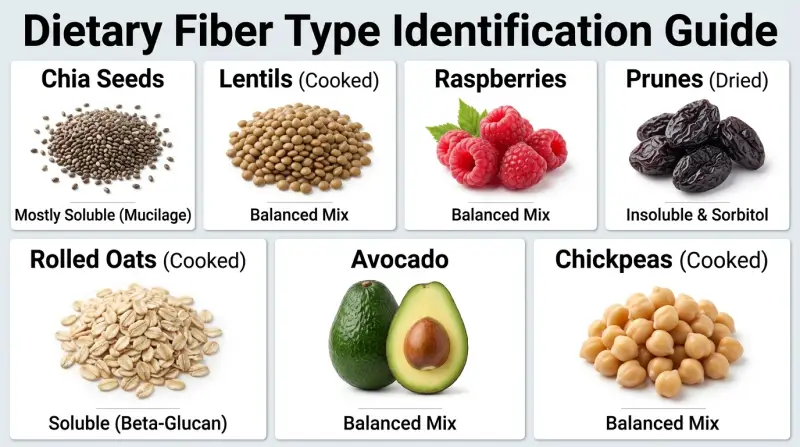
High Fiber Foods For Constipation
- Fiber is broadly divided into soluble and insoluble types; both are essential for treating and preventing constipation through different physiological mechanisms.
- Prunes, figs, raspberries, lentils, and chia seeds represent some of the most potent natural remedies due to their high fiber density and stool-softening properties.
- Increasing fiber intake without a proportional increase in water consumption can worsen constipation and cause painful abdominal blockages.
- A slow, gradual transition over 7 to 14 days allows the gut microbiome to adapt, minimizing gas, bloating, and cramping.
- Persistent constipation accompanied by red flags like unexplained weight loss, rectal bleeding, or severe abdominal pain requires immediate medical evaluation.
Understanding how fiber interacts with the human digestive tract is essential for selecting the right foods. Dietary fiber refers to the edible parts of plants that resist digestion and absorption in the small intestine, passing relatively intact into the colon where they exert their beneficial effects.
The Two Classes of Fiber and Their Roles in Motility
To successfully relieve constipation, it is necessary to consume both major categories of dietary fiber:
- Soluble Fiber: This type dissolves in water to form a gel-like substance. It slows down digestion, which helps bind stool together while retaining moisture. Excellent sources include oats, chia seeds, beans, lentils, and barley.
- Insoluble Fiber: This type does not dissolve in water; instead, it passes through the digestive system largely unchanged, adding bulk to the stool and accelerating the rate at which waste moves through the colon. Excellent sources include wheat bran, whole grains, nuts, seeds, and the skins of fruits and vegetables.
| Food Item | Serving Size | Total Fiber (grams) | Primary Fiber Type | Key Constipation Relief Mechanism |
|---|---|---|---|---|
| Chia Seeds | 1 oz (28g) | 10.0g | Mostly Soluble (Mucilage) | Forms a gel that softens stool and adds smooth bulk |
| Lentils (Cooked) | 1 cup | 15.6g | Balanced Mix | Massive stool bulk enhancement and microbial support |
| Raspberries | 1 cup | 8.0g | Balanced Mix | High water content combined with dense insoluble seed bulk |
| Prunes (Dried) | 1/2 cup (approx. 8) | 6.0g | Insoluble & Sorbitol | Combines fiber bulk with the natural osmotic laxative sorbitol |
| Rolled Oats (Cooked) | 1 cup | 4.0g | Soluble (Beta-Glucan) | Retains water, creating a smooth, easy-to-pass stool matrix |
| Avocado | 1 medium | 10.0g | Balanced Mix | Provides lubricating healthy fats alongside fermentable fiber |
| Chickpeas (Cooked) | 1 cup | 12.5g | Balanced Mix | Promotes short-chain fatty acid production for colonic tone |
The table above illustrates that different plant foods offer varying concentrations and types of fiber. Relying on a diverse mix ensures that both stool softening and colonic propulsion mechanisms are fully supported.
Top Fruits for Natural Bowel Regularity
Fruits are among the most palatable and accessible high-fiber foods available. Beyond fiber, many fruits contain natural sugar alcohols (like sorbitol) and high water concentrations that act synergistically to ease elimination.
- Prunes and Prune Juice: Long recognized as a gold standard for constipation relief, prunes contain high levels of insoluble fiber and sorbitol, a sugar alcohol that draws water into the intestinal lumen, stimulating peristalsis.
- Apples and Pears: Eaten with the skin on, these fruits provide pectin, a soluble fiber that ferments in the colon and adds moisture to waste. Pears are particularly high in free fructose and sorbitol, enhancing their laxative effect.
- Berries: Raspberries, blackberries, and strawberries boast some of the highest fiber-per-calorie ratios in the produce aisle. Their tiny edible seeds provide insoluble bulk that stimulates the gut wall.
- Kiwi Fruit: Clinical studies indicate that consuming two peeled kiwifruits daily can significantly shorten colonic transit time, soften stools, and reduce laxative dependence due to a combination of fiber, water-holding capacity, and actinidin (a natural protein-dissolving enzyme).
Vegetables and Legumes: The Heavy Hitters of Bulk
While fruits offer gentle morning relief, vegetables and legumes form the structural backbone of a bowel-friendly diet. Legumes (beans, lentils, and chickpeas) pack an immense nutritional punch, often delivering over 10 grams of fiber per cooked cup.
Cruciferous vegetables—such as broccoli, Brussels sprouts, and kale—provide dense cellular walls made of insoluble fiber. When these fibers reach the large intestine, gut bacteria ferment them into short-chain fatty acids (SCFAs) like butyrate, acetate, and propionate. These fatty acids nourish the cells lining the colon, enhance blood flow, and stimulate muscular contractions required for regular evacuation.
Whole Grains vs. Refined Grains
The refining process strips grains of their nutrient-dense outer bran and germ layers, removing almost all the fiber. Transitioning from white bread, white rice, and processed cereals to whole-grain alternatives—such as steel-cut oats, quinoa, barley, bulgur, and 100% whole-wheat products—instantly restores essential roughage to the diet.
Wheat bran, specifically, functions as an exceptional broom for the colon. Its coarse outer layers resist fermentation more than other fibers, retaining their structure and holding onto water as they travel through the digestive tract, creating a firm, well-formed stool that triggers stretch receptors in the rectum.
The Physiological Mechanism: How Fiber Relieves Constipation
To appreciate why fiber works, one must look at the mechanical journey of food through the gastrointestinal tract. When stool moves too slowly through the colon, the large intestine absorbs excessive water, resulting in dry, hard, pebble-like stools that are difficult and painful to pass.
Fiber alters this process through two primary pathways:
- Water Retention: Soluble fibers absorb fluid within the stomach and small intestine, forming a viscous gel. This gel prevents rapid dehydration of waste material as it enters the colon, ensuring the stool remains pliable.
- Mechanical Stretch: Insoluble fibers add physical volume. As the stool increases in bulk, it gently stretches the muscular walls of the colon. This mechanical stretch stimulates enteric neurons, triggering peristalsis—the wave-like muscular contractions that propel waste toward the rectum.
Without adequate fiber, the colon lacks the necessary bulk to signal the nervous system that evacuation is required, leading to infrequent bowel movements and straining.
Strategic Implementation: Designing Your Daily Fiber Plan
Jumping from a low-fiber diet (typically 10 to 15 grams daily) to a high-fiber regimen (25 to 38 grams daily) overnight is a recipe for disaster. Rapid increases overwhelm the gut microbiome, producing excessive gas, bloating, cramping, and occasionally paradoxical constipation.
The Step-by-Step Transition Protocol
- Assess Current Intake: Track your food for two days to establish your baseline fiber consumption.
- Increase Incrementally: Add approximately 5 grams of fiber every 4 to 7 days. For example, add a half-cup of raspberries to breakfast during week one, a half-cup of lentils to lunch during week two, and switch to whole-grain pasta during week three.
- Hydrate Aggressively: For every gram of fiber you add, increase your fluid intake. Aim for an absolute minimum of 8 to 10 glasses (64 to 80 ounces) of water daily. Fiber acts like a sponge; without water, it solidifies rather than softens.
- Incorporate Movement: Physical activity stimulates peristalsis. Pair your fiber intake with daily walking, stretching, or light aerobic exercise to keep your digestive tract moving.
Common Mistakes and Pitfalls to Avoid
Even with good intentions, many individuals fail to achieve relief because they fall into common dietary traps.
- Relying Solely on Fiber Supplements: While psyllium husk, methylcellulose, and inulin supplements are convenient, they cannot replace the complex array of micronutrients, antioxidants, and diverse fiber structures found in whole foods. , powders taken without enough water can create a choking hazard or form hardened blockages in the esophagus or bowel.
- Ignoring Fluid Requirements: This is the single most frequent error. Concentrated dry fiber supplements or massive legume meals consumed in a dehydrated state will severely worsen constipation.
- Overlooking Processed “High-Fiber” Foods: Many commercial protein bars, cookies, and cereals boast “added fiber” using synthetic isolated fibers like chicory root extract (inulin) or soluble corn fiber. These heavily processed additives frequently trigger severe gas, bloating, and irritable bowel symptoms in sensitive individuals.
- Expecting Instant Results: Dietary fiber is not a pharmaceutical laxative. It takes several days of consistent intake to re-establish normal colonic rhythm and stool consistency.
When Dietary Fiber Is Not Enough: Red Flags
While fiber resolves functional constipation for the vast majority of people, certain symptoms indicate an underlying medical condition requiring professional evaluation. Consult a physician immediately if your constipation is accompanied by any of the following warning signs:
- Rectal bleeding or blood in the stool
- Unexplained, rapid weight loss
- Severe, acute abdominal pain or cramping
- An alternating pattern of severe diarrhea and constipation
- Symptoms that persist despite 3 weeks of rigorous dietary and lifestyle modifications
- A sudden onset of constipation with no apparent cause in older adults
Frequently Asked Questions
General dietary guidelines recommend 25 grams per day for adult women and 38 grams per day for adult men under 50. Adults over 50 require slightly less: roughly 21 grams for women and 30 grams for men daily, due to reduced daily caloric needs.
Yes. Consuming excessive fiber—especially insoluble bran—without enough water can bind waste into a dense, immovable mass. This condition can lead to severe impaction, painful bloating, and cramping. Always scale water intake upward alongside fiber.
Cooked vegetables are often easier to digest and can be consumed in larger volumes without irritating a sensitive gut. While cooking softens some of the harsh insoluble structures, it does not destroy the total fiber content, making cooked greens, carrots, and squash excellent options for gentle relief.
When combined with proper hydration and physical activity, most individuals notice an improvement in stool consistency and frequency within 48 to 72 hours. However, full regulation of colonic transit time may take up to two weeks of consistent habit changes.
Natural fiber supplements like psyllium husk are generally safe for long-term daily use when taken with adequate fluids. However, it is always preferable to obtain your daily fiber through whole, nutrient-dense foods to ensure a balanced intake of vitamins, minerals, and diverse fiber types.
Conclusion
Relieving and preventing constipation does not require complex medical interventions for the vast majority of people. By shifting toward a diet rich in whole plant foods—including berries, leafy greens, legumes, whole grains, and prunes—you provide your digestive tract with the structural bulk and moisture-retaining compounds it needs to function effortlessly. Remember to introduce fiber gradually, pair every increase with ample hydration, and listen to your body. Sustainable digestive health is built through daily consistency, whole-food nutrition, and mindful attention to hydration.