
The cultural footprint of cats in South Korea has undergone a remarkable evolution over the past few decades. Once viewed primarily through the lens of traditional folklore or as functional mousers, cats have surged into the mainstream of modern urban Korean households. In densely populated metropolitan centers like Seoul and Busan, where apartment living is the norm, companion animals offer vital emotional connection and stress relief for busy city dwellers.
(Reference: Development of dental hygiene gum for cats considering their anatomical features of dentition)Understanding “Korean cat breeds” requires looking at two distinct categories: the culturally iconic, naturally selected domestic population known as the Korean Shorthair, and the contemporary preferences of Korean pet owners who have embraced global purebreds. As veterinary care, pet cafe culture, and specialized nutrition have advanced across South Korea, cat guardianship has reached a sophisticated level. This comprehensive guide explores the unique identity of native Korean cats, how they compare to imported favorites dominating the pet landscape, and the practical realities of feline care on the peninsula.
Explore our detailed breakdown on Quokka Lifespan Chart.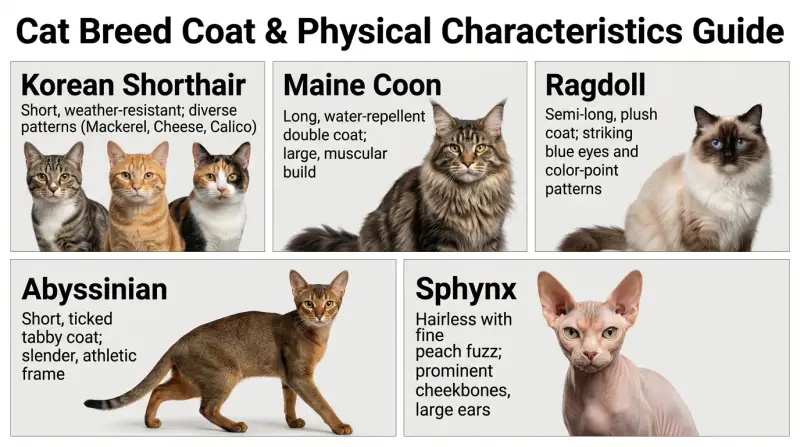
Korean Cat Breeds and Modern Feline Culture
- Native Identity: The Korean Shorthair (Hanguk-goyangi) is not a globally standardized pedigree breed, but a distinct landrace developed through centuries of natural selection.
- Coat Variations: Korean Shorthairs display unique coat patterns, most notably the traditional “mackerel tabby” (Godeungo) and the prized tricolor calico (Sam-saek).
- Popularity Shift: Alongside native cats, international breeds like Maine Coons, Ragdolls, Abyssinians, and Sphynx cats are heavily favored in South Korean apartments due to specific temperaments.
- Apartment Adaptability: Urban Korean living requires breeds that handle restricted square footage well, driving demand for adaptable, social indoor cats.
- Health and Rescue: TNR (Trap-Neuter-Return) programs and rescue initiatives championed by organizations like KARA have dramatically improved the welfare status of stray Korean Shorthairs.
To discuss Korean cat breeds accurately, one must first address a common point of confusion. Unlike countries with strict national pedigree registries that standardized native cats early on, South Korea’s indigenous feline population evolved organically. Referred to colloquially as Hanguk-goyangi (Korean cat) or simply shortened to K-Short by local enthusiasts, these cats are the descendants of felines brought over centuries ago from mainland Asia, adapting ruggedly to the Korean peninsula’s distinct seasonal extremes—from humid, scorching summers to freezing, sub-zero winters.
The Anatomy and Heritage of the Korean Shorthair
The Korean Shorthair is a domestic landrace defined by natural hardiness rather than human-engineered breeding standards. Because they evolved outdoors alongside human communities, they possess a medium-sized, muscular build, robust immune systems, and high intelligence. Their heads typically feature a modified wedge shape with alert, forward-facing ears designed to track movement in dense brush or urban alleys.
Local cat lovers and rescue workers in South Korea have categorized native coat patterns affectionately, giving rise to distinct cultural sub-types:
- Godeungo (Mackerel Tabby): Named after the Korean word for mackerel due to their striking dark vertical stripes, often paired with bright green or amber eyes.
- Chijeu (Cheese): Orange or ginger tabbies, known in local lore for their energetic and vocal personalities.
- Sam-saek (Tricolor/Calico): White cats patched with black and orange, traditionally associated with good luck. Because of genetic inheritance, almost all Sam-saek cats are female.
- Jjambbong (Mixed/Tortoiseshell): Complex mottled coats blending dark brown, black, and red tones.
Popular Imported Breeds in South Korean Households
While Korean Shorthairs make up the vast majority of shelter populations and community cats, South Korea’s urban pet market heavily favors specific international purebreds that suit high-rise apartment living. Recent trends highlight several standout breeds shaping Korean homes:
| Breed Name | Origin / Type | Primary Coat & Physical Traits | Temperament & Lifestyle Fit |
|---|---|---|---|
| Korean Shorthair | South Korea (Landrace) | Short, weather-resistant; diverse patterns (Mackerel, Cheese, Calico) | Alert, intelligent, active, independent yet deeply loyal. |
| Maine Coon | United States (Natural Breed) | Long, water-repellent double coat; large, muscular build | Gentle giant, highly intelligent, dog-like social bonding. |
| Ragdoll | United States (Pedigree) | Semi-long, plush coat; striking blue eyes and color-point patterns | Docile, affectionate, goes limp when held, ideal for quiet apartments. |
| Abyssinian | Southeast Asia / UK (Pedigree) | Short, ticked tabby coat; slender, athletic frame | Extremely active, curious, people-oriented, high energy. |
| Sphynx | Canada (Mutation-based) | Hairless with fine peach fuzz; prominent cheekbones, large ears | Warm to touch, highly affectionate, attention-seeking, needs skin care. |
This table illustrates the diverse choices available to modern Korean pet parents. While the native Korean Shorthair offers rugged health and adaptability, breeds like the Ragdoll and Maine Coon cater to families seeking docile, interactive companions.
Comparing Native and International Feline Temperaments
When selecting a companion in South Korea, future pet owners must weigh the energetic, self-reliant nature of the native Korean Shorthair against the specialized care requirements of imported breeds. Urban living conditions—frequently characterized by compact apartments in high-rise complexes—mean that noise levels, activity requirements, and grooming needs dictate satisfaction.
Korean Shorthairs are famously agile and retain strong hunting instincts. They thrive when provided with vertical territory, such as multi-level cat trees placed near windows overlooking bustling city streets. In contrast, breeds like the Ragdoll require less vertical stimulation and prefer floor-level engagement, making them popular among apartment dwellers who worry about jumping noise affecting downstairs neighbors.
Urban Pet Culture and Feline Welfare in South Korea
South Korea’s pet industry has experienced exponential growth, transforming public perception of cats. The rise of cat cafes in the 2010s familiarized millions of urban residents with feline body language and care. Today, sophisticated pet tech, premium veterinary networks, and specialized nutrition markets in Seoul rival those of any global capital.
Simultaneously, grassroots animal welfare groups have worked tirelessly to reframe the status of the Korean Shorthair. Historically dismissed as street animals (often stigmatized as dot-goyangi or alley cats), native shorthairs are increasingly celebrated as resilient, beautiful companions through adoption drives and social media campaigns.
Practical Considerations for Cat Guardianship in Korea
Owning a cat in South Korea involves navigating specific seasonal and environmental conditions. Understanding these factors ensures optimal health and happiness for both native landraces and imported purebreds.
- Climate Management: Korea experiences severe seasonal swings—humid, monsoon-heavy summers and bone-chilling dry winters. Indoor climate control (air conditioning and ondol floor heating) is essential, particularly for sensitive hairless breeds like the Sphynx or double-coated giants like the Maine Coon.
- Veterinary Infrastructure: Advanced 24-hour veterinary hospitals are concentrated in major metropolitan areas, offering specialized diagnostics, surgery, and feline-only waiting rooms to minimize stress.
- Housing Constraints: Because many Koreans live in multi-family apartment buildings (apateu), litter box odor control, scratch-proofing furniture, and noise management during nocturnal activity peaks are primary concerns for owners.
Frequently Asked Questions
No. The Korean Shorthair is classified as a domestic landrace rather than a standardized pedigree breed recognized by major global registries like TICA or CFA. They developed naturally across the Korean peninsula through centuries of natural adaptation rather than selective human breeding programs.
They are medium-sized, muscular cats with strong athletic builds, wedge-shaped heads, and large, alert ears. Their coats are short, dense, and weather-resistant, most commonly appearing in mackerel tabby (Godeungo), orange tabby (Cheese), and tricolor calico (Sam-saek) patterns.
Urban South Koreans often live in high-rise apartments where space efficiency, predictable temperaments, and lower noise levels are valued. Docile, affectionate purebreds like Ragdolls and highly intelligent social companions like Maine Coons fit into modern indoor lifestyles.
South Korea features extreme seasonal variations—humid summers and freezing winters. Indoor climate control via air conditioning and traditional floor heating (ondol) is crucial. Hairless breeds like Sphynx cats require careful temperature regulation and skin maintenance during dry winter months.
Rescue organizations such as KARA (Korea Animal Rights Advocates), local municipal shelters, and private networks frequently rescue and rehabilitate Korean Shorthairs. Many groups actively promote native shelter cats as loyal, healthy, and affectionate family companions.
Conclusion
The landscape of cat ownership in South Korea bridges rich native heritage with global modern trends. While the resilient and expressive Korean Shorthair remains the heartbeat of local feline culture, international favorites like Ragdolls, Maine Coons, and Sphynx cats reflect the diverse lifestyle preferences of contemporary urban pet parents. Whether you are welcoming a sturdy mackerel tabby rescued from an alley in Seoul or a plush Ragdoll into a high-rise apartment, understanding the unique traits, health needs, and environmental requirements of these cats ensures a harmonious and deeply rewarding companionship.