
Snakes typically live between 15 to 20 years in captivity, though maximum lifespans vary dramatically by species. Smaller or moderately sized species like corn snakes often average 10 to 15 years, while heavy-bodied constrictors, large pythons, and certain colubrids like king snakes can thrive for 30 years or more. Wild lifespans are generally much shorter due to predation, disease, and environmental stress.
Understanding how long a snake lives is one of the most critical responsibilities for anyone considering keeping an exotic pet, building a specialized reptile habitat, or studying herpetology. Unlike dogs or cats, which share a relatively narrow range of domestic lifespans, the order Squamata spans an astonishing array of longevity profiles. A small garter snake might complete its life cycle in under a decade, whereas a majestic Burmese python, a resilient rainbow boa, or a long-lived king snake can easily outlive a mortgage, requiring decades of specialized husbandry, environmental control, and financial commitment.
Evaluating snake longevity requires looking past a single average number. A snake’s potential lifespan is dictated by a combination of genetic baseline, metabolic rate, environmental stability, husbandry precision, and whether the specimen resides in a protected captive environment or faces the harsh realities of nature. This guide explores the variables governing reptile longevity, examines comprehensive species-specific charts, and provides the rigorous baseline knowledge required to support a snake throughout its entire natural life.
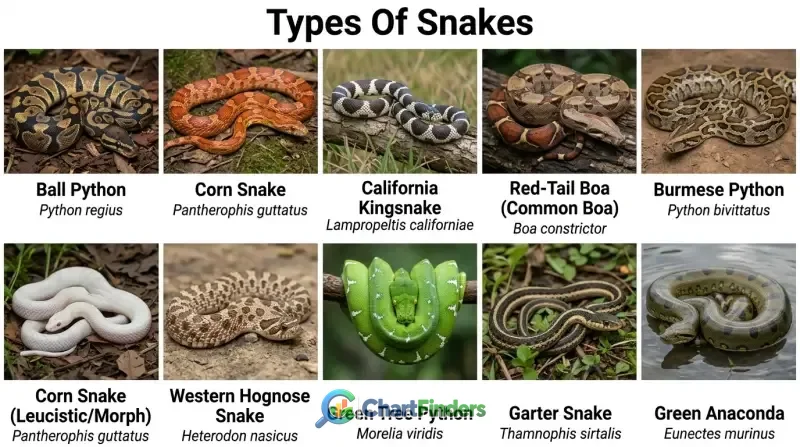
Snake Lifespan Chart and Longevity Factors
- Captive snakes consistently outlive wild counterparts due to guaranteed nutrition, parasite control, and the absence of apex predators.
- Species size correlates broadly with longevity: larger boids and pythons regularly exceed 25–30 years, while smaller colubrids typically cap out around 15 years.
- Husbandry precision—specifically thermal gradients, humidity control, and appropriate dietary metrics—is the single greatest predictor of a captive snake reaching its maximum potential age.
- Metabolic slowdowns and ectothermic biology allow certain snakes to endure brief periods of harsh conditions, but chronic sub-optimal temperatures drastically shorten life expectancy.
- Lifespan records for specific species are frequently broken as captive care protocols, veterinary diagnostics, and nutritional science advance globally.
To make sense of the vast discrepancies in reptile longevity, herpetologists and experienced keepers organize data into comprehensive reference structures. Below is a detailed snake lifespan chart grouping popular pet and notable wild species by family, contrasting their expected longevity in captivity versus the wild, alongside verified maximum recorded ages.
| Common Name | Scientific Name | Family / Type | Avg. Captive Lifespan | Avg. Wild Lifespan | Maximum Recorded Age |
|---|---|---|---|---|---|
| Ball Python | Python regius | Pythonidae | 20–30 years | 10–15 years | 40+ years |
| Corn Snake | Pantherophis guttatus | Colubridae | 15–20 years | 6–8 years | 22+ years |
| California Kingsnake | Lampropeltis californiae | Colubridae | 15–20 years | 10–12 years | 25–30 years |
| Red-Tail Boa (Common Boa) | Boa constrictor | Boidae | 25–30+ years | 20–30 years | 40+ years |
| Burmese Python | Python bivittatus | Pythonidae | 20–25 years | 10–15 years | 30+ years |
| Corn Snake (Leucistic/Morph) | Pantherophis guttatus | Colubridae | 12–18 years | N/A (Captive only) | 20 years |
| Western Hognose Snake | Heterodon nasicus | Colubridae | 12–18 years | 5–10 years | 20 years |
| Green Tree Python | Morelia viridis | Pythonidae | 15–20 years | 10–12 years | 22 years |
| Garter Snake | Thamnophis sirtalis | Colubridae | 6–10 years | 2–5 years | 12+ years |
| Green Anaconda | Eunectes murinus | Boidae | 15–20 years | 10–12 years | 30 years |
This reference chart illustrates a clear biological trend: while captive specimens enjoy shelter from disease vectors and predators, their ultimate longevity is heavily dependent on how closely their keepers replicate optimal environmental parameters. Examining the underlying drivers of these lifespans reveals why certain families persist for decades while others have much tighter biological limits.
Biological Mechanisms Governing Snake Longevity
Snakes possess unique physiological traits that influence how they age. As ectotherms, their body temperature is regulated by external sources, which directly dictates their metabolic rate. Lower metabolic rates compared to endothermic mammals mean less cellular wear and tear over time.
Cellular Repair and Telomere Maintenance
Recent biochemical research into reptiles highlights unique cellular mechanisms. Certain long-lived boids and pythons show remarkable resilience against oxidative stress. Their cellular machinery manages free radicals efficiently, delaying senescence—the biological process of deterioration with age. However, this cellular resilience does not make them immune to poor husbandry; stress accelerates cellular aging regardless of genetic baseline.
The Impact of Growth Rates and Feeding Frequency
In both nature and captivity, growth rate is closely tied to longevity. Overfeeding young snakes—often done to maximize growth or push them to breeding size quickly—strains internal organs, particularly the liver and kidneys. Captive snakes kept on measured, moderate feeding schedules consistently outlive those chronically overloaded with large meals.
Captivity Versus the Wild: The Survival Gap
A striking takeaway from any snake lifespan chart is the massive disparity between wild and captive longevity. For instance, a green anaconda rarely exceeds 10 to 12 years in the wild due to predation by jaguars, caimans, and human interference, yet can surpass two decades in professional zoological care. Similarly, common colubrids like corn snakes and garter snakes face high predation rates during their vulnerable hatchling and juvenile stages.
- Predation Pressure: Eggs, neonates, and juveniles suffer staggering mortality rates in nature, skewing wild demographic curves downward.
- Pathogen Exposure: Wild snakes contend with debilitating tick loads, mite infestations, fungal pathogens like Ophidiomyces ophidiicola (snake fungal disease), and intestinal parasites without veterinary intervention.
- Resource Scarcity: Droughts, unseasonal cold snaps, and prey depletion force wild snakes into prolonged starvation periods or fatal environmental exposure.
Family-By-Family Lifespan Breakdown
Different taxonomic groups exhibit distinct life histories shaped by evolution. Understanding these families helps keepers anticipate the specific milestones and challenges their animals will face.
Colubrids: Agile, Diverse, and Moderate-Lived
The family Colubridae represents the largest group of snakes, containing popular pet species like corn snakes, kingsnakes, milk snakes, and rat snakes. Generally active and high-metabolism hunters, these snakes typically have a captive lifespan of 15 to 20 years, with exceptional kingsnakes reaching up to 30 years. Their hardiness and adaptability make them exceptional candidates for beginner keepers who provide consistent, high-quality care.
Boids and Pythons: The Long-Lived Giants
Boidae and Pythonidae house some of the most impressive heavy-bodied constrictors in the world. Species such as boa constrictors, reticulated pythons, and ball pythons are renowned for their longevity. A healthy ball python easily reaches its third decade, while large constrictors can approach 35 to 40 years under optimal conditions. Maintaining these animals requires a lifelong dedication, as their care requirements span decades.
Vipers and Elapids: Specialized Predators
Venomous species—including rattlesnakes, vipers, and cobras—exhibit varied lifespans. In professional zoological facilities, many venomous species live 15 to 25 years. Their specialized requirements and inherent management risks mean they are strictly maintained by experienced professionals and institutions.
Environmental Determinants of Captive Longevity
A snake’s lifespan chart serves as a roadmap of potential, but reaching the upper limits of that chart depends entirely on the microhabitat provided by the keeper. Several core environmental factors govern whether a captive snake thrives or suffers premature decline.
Thermal Gradient Precision
Because snakes are ectotherms, they rely on an environmental temperature gradient to regulate digestion, immune function, and enzymatic activity. Chronic maintenance outside a species’ preferred optimal temperature zone (POTZ) suppresses immune response, impairs digestion leading to gut rot or regurgitation, and dramatically cuts life expectancy.
Humidity and Ecdysis Management
Inadequate ambient humidity or improper microclimate hideboxes lead to dysecdysis (trouble shedding). Chronic shedding issues cause retained spectacles (caps over the eyes) and constriction of blood flow around the tail tip, introducing secondary bacterial and fungal infections that shorten a snake’s life.
Dietary Quality and Supplementation
Feeding frozen-thawed rodents that have been humanely raised and properly stored ensures nutritional completeness. Over-supplementation with vitamins, or feeding improper prey items (such as wild-caught rodents carrying parasites or pesticides), introduces toxic loads that compromise organ health over decades.
Common Husbandry Mistakes That Shorten Snake Lives
Even well-intentioned keepers can inadvertently reduce their snake’s lifespan through subtle errors in routine care. Identifying these pitfalls is essential for preventative husbandry.
- Chronic Thermal Stress: Using unregulated heat mats or failing to provide a cool side in the enclosure leads to metabolic exhaustion and neurological distress.
- Poor Enclosure Hygiene: Accumulating urates, feces, and stagnant water creates a breeding ground for bacteria and scale rot, which can become systemic if left unaddressed.
- Inappropriate Handling Frequency: Excessive handling, especially immediately after feeding or during shedding cycles, induces high acute stress, depressing immune function.
- Neglecting Parasite Screening: Failing to perform routine fecal checks can allow internal protozoan loads or pinworms to quietly devastate a snake’s nutritional absorption over months.
Frequently Asked Questions
How can I tell how old a captive snake is?
Unlike bony fish with scales or mammals with teeth, snakes do not retain a reliable chronological timestamp on their physical bodies. While size is a general indicator—distinguishing hatchlings, juveniles, and adults—growth rates vary wildly based on feeding frequency and temperature. Exact age can only be verified accurately through detailed hatching records from a reputable breeder.
Do male and female snakes live the same length of time?
In many species, females have slightly shorter lifespans or face higher physiological stress due to the energetic demands of follicle development, gestation, or egg-laying (oviposition). Gravid females expend massive amounts of calcium and energy, which can take a toll over multiple breeding seasons. Males generally avoid these specific reproductive stresses.
What is the oldest recorded snake in history?
While unverified claims exist, documented longevity records include ball pythons exceeding 40 to 45 years of age in professional zoological institutions and private collections. Certain boa constrictors and reticulated pythons have also approached or surpassed the four-decade mark under meticulous care.
Does brumation affect a snake’s lifespan?
Yes. Many temperate-zone species experience brumation—a period of physiological slowdown akin to hibernation during winter. When managed correctly, allowing species like corn snakes or garter snakes to undergo safe, cool dormancy mimics natural hormonal cycles and can support long-term health and reproductive viability.
Can wild snakes be successfully transitioned to captivity to live a full life?
Wild-caught snakes generally have significantly shorter captive lifespans compared to captive-bred specimens. They suffer from chronic high-stress levels, heavy internal parasite burdens, dehydration, and difficulty transitioning to commercially produced frozen-thawed rodents. Ethical and longevity standards heavily favor captive-bred animals.
Consulting a reliable snake lifespan chart is only the first step in understanding these remarkable reptiles. Lifespan is not a static guarantee; it is a collaborative outcome shaped by genetics, environment, and attentive, informed stewardship. By maintaining precise thermal gradients, clean enclosures, and appropriate nutritional schedules, keepers can ensure their snakes live out their full biological potential.