
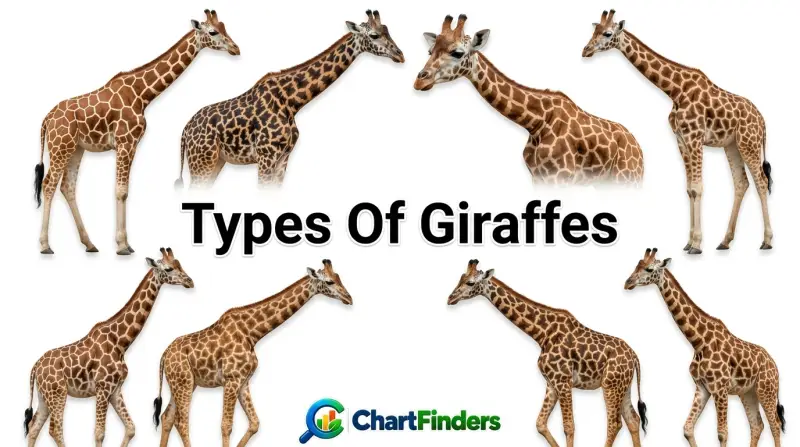
For decades, naturalists, field guides, and wildlife biologists operated under the assumption that all giraffes belonged to a single widespread species, Giraffa camelopardalis, divided into numerous localized subspecies based primarily on subtle coat pattern variations. However, revolutionary genetic breakthroughs in the mid-2010s completely transformed our taxonomic understanding of the world’s tallest land mammal. By analyzing nuclear and mitochondrial DNA, researchers proved that genetic isolation among these populations has been occurring for over a million years—deeply exceeding the genetic divergence seen between polar bears and brown bears. Recognizing four distinct species is not merely an academic exercise; it has profound implications for global conservation, wildlife management, antipoaching legislation, and captive breeding programs.
Navigating the complex landscape of giraffe taxonomy requires moving past generalized descriptions and examining the specific morphological traits, behavioral ecology, historical ranges, and conservation threats unique to each lineage. Whether you are planning an African safari, studying mammalian evolution, or researching biodiversity protection, understanding the distinct types of giraffes provides critical insight into the realities facing megafauna in the twenty-first century.
Taxonomic Classification and the Types Of Giraffes
- Genetic studies confirm four distinct giraffe species: Masai, Northern, Reticulated, and Southern.
- Previously classified subspecies are now recognized under these four primary species umbrellas.
- Coat patterns act as natural camouflage and serve as a reliable field identification tool for experts.
- Geographic barriers, such as major rivers and rift valleys, historically drove speciation by isolating populations.
- Conservation statuses vary wildly by species, with northern populations facing severe fragmentation and population collapse.
- Giraffes are non-migratory, making localized habitat loss and human encroachment devastating to specific regional lineages.
- Understanding these distinct types is vital for targeted anti-poaching, translocations, and genetic management in reserves.
To understand the diversity within the giraffe family, one must first examine how taxonomy has evolved. Historically, scientists lumped all giraffes into up to nine subspecies. Modern molecular biology, however, has drawn hard lines through those former groupings, elevating them or consolidating them into four distinct species. The table below outlines the core characteristics, primary geographic strongholds, and current conservation status of each recognized giraffe species.