
Nutritional literacy begins with understanding the fundamental differences between what fuels the human body and what merely satisfies transient sensory cravings. In a modern dietary landscape filled with misleading marketing claims, buzzwords, and ultra-processed convenience items, sorting food into simple categories can feel overwhelming. A structured approach to classifying foods is essential for cutting through nutritional noise, shifting dietary patterns toward whole-food nourishment, and protecting metabolic health.
This master guide explores the structural mechanics of a healthy and junk food chart. We will examine the physiological impacts of whole versus ultra-processed foods, review comprehensive comparison frameworks, outline plant-diversity strategies, highlight common dietary traps, and provide actionable decision criteria for everyday meal planning.
Explore our detailed breakdown on Seafood Cholesterol Chart: Complete Reference Chart.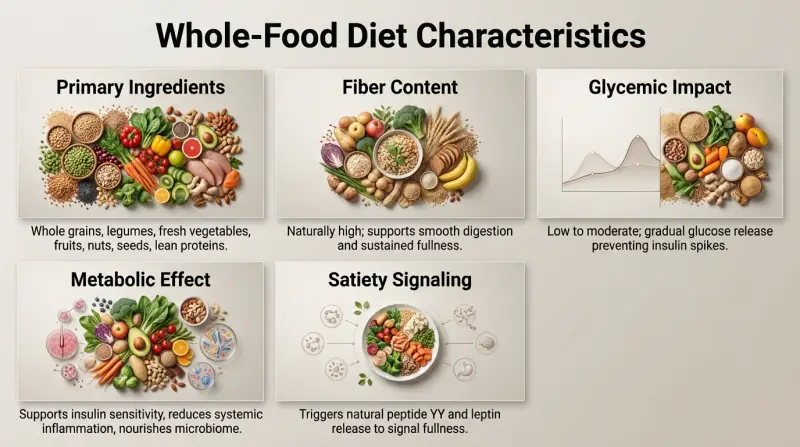
Healthy And Junk Food Chart
- Healthy food categories focus on nutrient density, supplying high amounts of vitamins, minerals, antioxidants, and complex macronutrients relative to their calorie count.
- Junk food is predominantly ultra-processed, stripping away natural fiber and micronutrients while adding excess sodium, refined sugars, and industrial seed oils.
- Modern dietary science emphasizes plant diversity—aiming for 30 or more unique plant foods per week across grains, legumes, vegetables, and fruits to optimize gut microbiome health.
- Liquid calories and hidden additives in packaged snacks represent the most common nutritional blind spots for consumers attempting to clean up their diets.
- Sustainable dietary change relies on crowding out nutrient-poor items with satisfying, high-fiber, high-protein whole foods rather than strict, unsustainable deprivation.
To build an effective dietary framework, we must evaluate food not just by its caloric content, but by its degree of processing and biological impact. The following sections break down how different food categories interact with human metabolism, inflammation pathways, and long-term health outcomes.
Defining Characteristics of Healthy Foods
Healthy foods are typically whole or minimally processed items that retain their natural matrix of vitamins, minerals, phytonutrients, and dietary fiber. They are characterized by high nutrient density, meaning they provide a rich supply of micronutrients without flooding the system with excess, empty calories.
- Unprocessed or Minimally Processed: Foods in their natural state or altered only by minimal physical methods such as cleaning, freezing, or milling without added chemicals.
- Complex Carbohydrates and Fiber: Slow-digesting starches and dietary fibers that support stable glycemic control and nourish beneficial gut bacteria.
- Quality Protein and Healthy Fats: Amino acids paired with monounsaturated and polyunsaturated fats that support cellular repair, hormonal balance, and cardiovascular integrity.
Defining Characteristics of Junk Food
Junk food—more accurately categorized by nutritional science as ultra-processed food (UPF)—undergoes multiple industrial processes, often incorporating ingredients unrecognisable in a home kitchen. These products are engineered for hyper-palatability to override natural satiety signals.
- High Processing Degree: Formulated from industrial food extracts, hydrogenated oils, modified starches, and protein isolates.
- Nutrient Stripping: Natural vitamins, minerals, and fibers are removed during refinement, requiring synthetic fortification.
- Hyper-Palatability: Precision-engineered ratios of sugar, salt, and fat that stimulate dopamine release in the brain, driving overconsumption.
| Nutritional Dimension | Healthy Food Categories | Junk / Ultra-Processed Food Categories |
|---|---|---|
| Primary Ingredients | Whole grains, legumes, fresh vegetables, fruits, nuts, seeds, lean proteins. | Refined flours, high-fructose corn syrup, industrial seed oils, chemical additives. |
| Fiber Content | Naturally high; supports smooth digestion and sustained fullness. | Absent or severely depleted during industrial refinement. |
| Glycemic Impact | Low to moderate; gradual glucose release preventing insulin spikes. | High; rapid absorption leading to sharp blood sugar spikes and crashes. |
| Metabolic Effect | Supports insulin sensitivity, reduces systemic inflammation, nourishes microbiome. | Promotes insulin resistance, visceral fat storage, and chronic low-grade inflammation. |
| Satiety Signaling | Triggers natural peptide YY and leptin release to signal fullness. | Overrides satiety cues, encouraging passive overeating. |
When analyzing the table above, note that the core dividing line is not merely calorie counts, but the physiological response elicited by the food matrix. Whole foods interact harmoniously with metabolic pathways, whereas ultra-processed items strain metabolic regulation.
The 30-Plant Weekly Framework for Gut Health
Modern nutritional science emphasizes dietary diversity, particularly regarding plant foods. A robust microbiome thrives on a wide variety of fermentable fibers and polyphenols. Incorporating 30 or more distinct plant species per week is a benchmark for cultivating a diverse gut ecosystem.
A comprehensive breakdown of achieving 30+ plants weekly across primary food classifications includes:
- Grains (5+ varieties): Brown rice, quinoa, rolled oats, whole wheat bread, farro.
- Legumes (5+ varieties): Black beans, chickpeas, lentils, edamame, fava beans.
- Vegetables (10+ varieties): Spinach, cauliflower, bell peppers, carrots, tomatoes, zucchini, Brussels sprouts, sweet potatoes, white button mushrooms, shiitake mushrooms, lion’s mane mushrooms (often found in specialty items like Cauli Crumble Veggie Grounds and Lion’s Mane Mushroom Crumble).
- Fruits, Nuts, and Seeds (10+ varieties): Blueberries, apples, bananas, chia seeds, walnuts, pumpkin seeds, strawberries, flaxseeds, almonds, raspberries.
Categorizing Dietary Components: A Comprehensive Breakdown
To operationalize a healthy and junk food chart in daily life, it is helpful to examine specific food groups and how their healthy and junk counterparts compare.
1. Carbohydrates and Grains
Carbohydrates are often demonized due to the prevalence of refined grains in junk food. However, complex carbohydrates are vital for cellular energy and digestive health.
- Healthy Options: Steel-cut oats, quinoa, brown or wild rice, 100% stone-ground whole grain bread, and starchy tubers like sweet potatoes.
- Junk Options: White flour pastries, sugary breakfast cereals, commercial crackers, instant flavored noodles, and white-flour white-sugar baked goods.
2. Proteins and Legumes
Proteins supply the building blocks for muscle tissue, enzymatic functions, and immune defense.
- Healthy Options: Lentils, chickpeas, black beans, wild-caught fish, organic poultry, and pasture-raised eggs.
- Junk Options: Processed deli meats loaded with nitrates, deep-fried chicken nuggets, shelf-stable meat sticks, and heavily salted processed sausage patties.
3. Fats and Oils
Dietary fats are necessary for brain function and fat-soluble vitamin absorption, but the source dictates the physiological outcome.
- Healthy Options: Extra virgin olive oil, avocado oil, raw nuts, seeds, and fatty fish rich in omega-3 fatty acids.
- Junk Options: Partially hydrogenated oils containing trans fats, refined soybean, corn, and cottonseed oils heated to high industrial temperatures.
Common Dietary Pitfalls and Misleading Marketing
Navigating grocery aisles requires skepticism toward marketing terminology. Labels such as “made with whole grains,” “natural,” or “light” often mask unhealthy formulations.
- The Health Halo Effect: Products marketed as organic or gluten-free are frequently still ultra-processed junk foods laden with cane sugar and refined starches.
- Liquid Calorie Blindness: Specialty coffees, sweetened teas, and fruit juices deliver massive sugar loads without triggering the chewing mechanism, bypassing natural satiety signals.
- Sodium Masking: Savory junk foods use high concentrations of sodium and flavor enhancers to compensate for low-quality ingredients, driving blood pressure elevations.
Practical Application: Building Your Daily Plate
Transitioning away from junk food does not require perfection; it requires consistency and environmental design. Use the following framework when structuring meals:
- Anchor with Protein and Fiber: Begin meal planning by selecting a quality protein and a high-fiber vegetable or legume.
- Incorporate Color Variety: Ensure at least three distinct colors of vegetables or fruits are present on the plate to maximize phytonutrient intake.
- Choose Unrefined Fats: Dress salads with extra virgin olive oil or add sliced avocado rather than processed commercial dressings.
- Eliminate Ultra-Processed Triggers: Keep hyper-palatable snacks out of the immediate home environment to reduce decision fatigue.
Frequently Asked Questions
No. Food processing exists on a continuum, as categorized by systems like NOVA. Minimally processed foods—such as frozen vegetables, pasteurized milk, canned beans, and ground oats—have undergone basic preparation for safety, preservation, or convenience without losing their core nutritional integrity. Junk food specifically refers to ultra-processed formulations containing industrial additives, refined sugars, and unhealthy fats.
Ultra-processed foods are engineered to bypass natural physiological satiety loops. By combining high levels of sugar, fat, and sodium—a combination rarely found in nature—they trigger powerful dopamine responses in the brain. , because these foods lack dietary fiber and structural integrity, they require minimal chewing and digestion time, leading to rapid caloric consumption before the brain registers fullness.
Yes. The method of preparation can completely alter a food’s physiological impact. For example, fresh potatoes baked or boiled with minimal seasoning are rich in potassium and fiber. However, when sliced thin, deep-fried in refined industrial oils, and heavily salted into potato chips, they become an energy-dense junk food that promotes inflammation and weight gain.
Metabolic improvements can occur remarkably fast. Within days of eliminating ultra-processed foods and replacing them with whole grains, legumes, and vegetables, individuals often notice stable energy levels, reduced bloating, and improved glycemic control. Within weeks, palate sensitivity shifts, making overly sweet or salty junk foods taste unpleasantly intense.
Strict dietary perfection often leads to psychological fatigue and binge-eating cycles. Long-term nutritional sustainability relies on the 80/20 principle: deriving 80% to 90% of daily caloric intake from nutrient-dense whole foods, while leaving room for occasional indulgences without guilt. The primary goal is building a robust metabolic baseline rather than enforcing rigid restriction.
Mastering a healthy and junk food chart empowers you to look past clever marketing and evaluate food through the lens of genuine biological utility. By prioritizing whole, fiber-rich plants, quality proteins, and unprocessed fats while systematically crowding out ultra-processed items, you lay the foundation for vibrant, long-term metabolic health.