
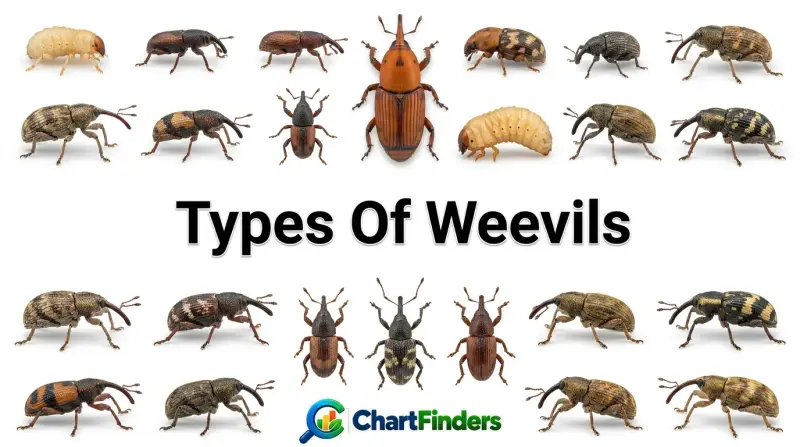
Few insect groups command as much agricultural significance, evolutionary fascination, and household frustration as the weevil. Belonging to the superfamily Curculionoidea, these beetles represent one of the most successful radiation events in the animal kingdom. Whether you are peering at a tiny grain pest crawling through a pantry container, marveling at an acorn weevil with a rostrum longer than its entire body, or assessing forestry damage caused by bark beetles, understanding the vast spectrum of weevils requires a deep dive into their taxonomy, morphological adaptations, and ecological niches.
The study of weevils is often complicated by their immense diversity and the striking physical variations found across different subfamilies. While the average person encounters weevils primarily as stored-product invaders or garden nuisances, entomologists recognize a rich of evolutionary adaptations, from specialized larval hosts to mouthpart morphologies designed for boring into hard nuts, seeds, and wood. This guide breaks down the architecture, classification, major families, identification pathways, and practical management strategies surrounding these remarkable beetles.
Types Of Weevils
- Weevils belong primarily to the family Curculionidae (true weevils), which counts over 80,000 described species globally.
- The defining morphological features of true weevils include a distinct elongated snout (rostrum) and geniculate (elbowed) antennae, whereas primitive weevil families often feature straight antennae.
- Specific groups like nut weevils (Curculio species) possess a rostrum longer than their entire body to drill into hard shells for egg-laying.
- Classification divides weevils into “True Weevils” and “Primitive Weevils,” the latter including Fungus Weevils (Anthribidae), Leaf-rolling Weevils (Attelabidae), and Brentidae.
- Economic impact spans stored-product destruction (granary and rice weevils), agricultural defoliation (root weevils and alfalfa weevils), and forestry disruption (bark and ambrosia beetles).
- Complete metamorphosis governs their life cycle, with legless, C-shaped larvae typically feeding hidden inside plant tissues, seeds, or soil.
To navigate the staggering diversity of the weevil world, science splits these beetles into two major evolutionary categories: True Weevils (Curculionidae) and Primitive Weevils (which comprise several distinct families such as Anthribidae, Attelabidae, and Brentidae). Understanding how to differentiate these groups depends heavily on examining antennal structure and snout morphology.
| Weevil Group / Family | Scientific Family | Antennal Structure | Snout (Rostrum) Characteristics | Primary Ecological / Economic Role |
|---|---|---|---|---|
| True Weevils | Curculionidae | Geniculate (elbowed), inserted midway or near the tip of the snout. | Varies widely; can be extremely long (nut weevils) or short and stout (bark beetles). | Major agricultural, stored-product, and forestry pests; general herbivores. |
| Fungus Weevils | Anthribidae | Straight (not elbowed); often clubbed at the tip. | Usually absent or very short, broad, and flattened. | Breaks down dead wood, fungi, and decaying plant matter; rarely a pantry pest. |
| Leaf-rolling Weevils | Attelabidae | Straight or weakly elbowed. | Short to moderate length; females use it to cut and roll leaves. | Females craft specialized leaf cradles (cigars) to protect developing eggs. |
| Straight-snouted Weevils | Brentidae | Straight (not elbowed); bead-like or clubbed. | Often elongated, flat, and parallel-sided, particularly in males. | Associated with dead or dying hardwood trees; some species bore into timber. |
| Pine Flower Weevils | Nemonychidae | Straight; often inserted near the base of the snout. | Slender rostrum; archaic lineage associated with conifers. | Larvae feed inside the staminate cones and flowers of pine trees. |
This table outlines the primary taxonomic divisions used by entomologists to sort the thousands of species encountered in the field. While a casual observer might lump every snouted beetle into a single category, structural variations in antennae and rostrum length immediately point researchers toward the correct family.
True Weevils (Family Curculionidae)
Accounting for the vast majority of all weevil species, the family Curculionidae is a behemoth of insect biodiversity. True weevils are instantly recognizable by two anatomical hallmarks: a pronounced snout (rostrum) that houses their chewing mouthparts at the very tip, and antennae that bend sharply in the middle like an elbow (geniculate).
Within this massive family, several subfamilies and ecological types demand close examination:
- Granary and Rice Weevils (Sitophilus species): Classic pantry pests. Adults are small, reddish-brown to black, and possess small pits (punctations) on their thorax. The granary weevil is flightless, while the rice and maize weevils possess functional wings. Females chew a small hole into a grain kernel, deposit a single egg, and seal it with a gelatinous secretion. The larva consumes the interior of the grain entirely.
- Nut and Acorn Weevils (Curculio species): Famed for having a rostrum that can easily exceed the total length of the beetle’s body. Female nut weevils use this drill-like appendage to bore deep holes into developing hazelnuts, acorns, and chestnuts, depositing eggs where the developing larva is safely insulated from external predators.
- Bark and Ambrosia Beetles (Scolytinae subfamily): Though historically treated as distinct families, modern taxonomy places these cylindrical, wood-boring insects firmly within Curculionidae. They lack the prominent elongated snout of typical weevils, adopting a compact, cylindrical body plan suited for tunneling through bark and phloem.
- Root Weevils (Otiorhynchus species): Large, flightless beetles such as the black vine weevil. The adults notch the margins of leaves on ornamental plants, while their subterranean, grub-like larvae feed voraciously on roots, frequently girdling plants and causing sudden wilting or death.
- Boll Weevils (Anthonomus grandis): Historically one of the most economically devastating agricultural pests in North America, attacking cotton crops by feeding on squares (flower buds) and bolls.
Primitive Weevils (Non-Curculionidae Families)
Outside of the true weevils lie several smaller, evolutionarily ancient families collectively termed “primitive weevils.” These insects diverge from Curculionidae in key physiological traits, most notably possessing straight, non-elbowed antennae.
- Fungus Weevils (Anthribidae): These beetles do not possess the classic long snout; their heads are broad and flat. A prime example is the Marbled Fungus Weevil. They play a beneficial ecological role as decomposers, inhabiting decaying logs, brackets of fungi, and dead timber.
- Leaf-rolling Weevils (Attelabidae): Celebrated for their remarkable reproductive behavior. After a female chews a partial cut through a host leaf, she rolls the leaf into a tight, protective cigar-shaped or thimble-shaped cradle, laying her egg inside before dropping or detaching the bundle to the forest floor where the larva feeds on the decaying tissue.
- Primitive Straight-Snouted Weevils (Brentidae): Often found in tropical and temperate forests, these beetles feature elongated, flattened bodies and straight antennae. Males often possess broad, flat rostra used in combat against rival males for access to females.
Anatomical Identification Guide: Decoding the Snout and Antennae
Accurately identifying a weevil requires moving beyond general impressions and looking closely at structural morphology. The rostrum (snout) is not merely a nose; it is a specialized structural tool used for feeding, excavating egg chambers, and defense. In species that bore into hard seeds, such as the Curculio nut weevils documented widely by field naturalists, the rostrum functions as a precision drill. Muscles inside the head capsule provide the torque required to twist the head and drive the mandibular tips into tough oak shells or hazelnuts.
Antennal articulation provides the absolute dividing line between true weevils and primitive weevils:
- Geniculate Antennae: The first segment (scape) is exceptionally long, followed by a sharp angle (the elbow), leading to a funicle and a terminal club. When alarmed, true weevils can often fold these antennae back into specialized grooves along the sides of the snout to protect them from damage.
- Straight Antennae: Found in Anthribidae, Nemonychidae, and Brentidae. The antennal segments follow a linear progression from the head outward, resembling tiny beads or ending in a loose club without the sharp, hinged bend.
, body texture and scaling vary dramatically. Many weevils are covered in microscopic, densely packed scales or setae that impart coloration ranging from metallic gold and green (such as the emerald green leaf weevil, Phyllobius pomaceus) to drab earthy browns and grays that provide camouflage against tree bark or soil.
The Weevil Life Cycle: Complete Metamorphosis
All weevils undergo complete metamorphosis, progressing through four distinct life stages: egg, larva, pupa, and adult. Understanding this cycle is vital for differentiating how different species impact human environments, from stored-product infestations to landscape destruction.
1. The Egg Stage
Eggs are almost always deposited directly into or onto a food source. Stored-product weevils insert eggs into individual grain kernels; garden root weevils drop eggs into the soil near the base of host plants; and wood-boring weevils push eggs beneath loose bark flakes or inside carved niches.
2. The Larval Stage
Weevil larvae are universally legless, C-shaped (scarabaeiform or vermiform), and possess a distinct head capsule with chewing mandibles. In stored-product species, the larva remains entirely enclosed inside a single grain kernel, consuming the endosperm until it is ready to pupate. In subterranean species, larvae feed continuously on roots, tubers, and organic matter.
3. The Pupal Stage
Pupation typically occurs within the protective microhabitat where the larva fed—either inside the hollowed-out grain, within a specialized pupal chamber beneath tree bark, or in an earthen cell constructed in the soil. During this stage, the insect transforms internally, developing adult structures including wings, compound eyes, and the characteristic rostrum.
4. The Adult Stage
Upon emergence, the adult weevil must chew its way out of its host material or soil. Adult longevity varies widely; some species overwinter in sheltered outdoor locations, moving into agricultural fields or homes when temperatures rise, while indoor pantry pests complete multiple overlapping generations per year under climate-controlled conditions.
Common Categories of Weevils by Habitat and Impact
To contextualize the vast breadth of weevils, entomologists and pest management professionals categorize them based on where they live and the damage they cause.
Pantry and Stored-Product Weevils
Homeowners most frequently encounter weevils when investigating contaminated dry goods in kitchen pantries. The primary culprits include:
- Granary Weevil (Sitophilus granarius): Prefers whole grains like wheat, rye, and corn. Because adults cannot fly, infestations are typically introduced via pre-infested bulk foods.
- Rice Weevil (Sitophilus oryzae): Highly prolific, capable of flight, and attacks a broader range of dry goods, including rice, pasta, beans, and breakfast cereals.
- Bean Weevils (Bruchinae subfamily): Though technically leaf beetles, they are commonly referred to as bean weevils. Their larvae develop inside dried legumes, emerging as stout adults with distinctive short snouts and mottled wing covers.
Agricultural and Horticultural Weevils
Farmers and gardeners face continuous pressure from foliage-feeding and root-chewing weevils:
- Alfalfa Weevil (Posta nigrirostris and related species): A major agricultural pest that feeds on alfalfa foliage, causing skeletonized leaves and severely reducing forage yield.
- Black Vine Weevil (Otiorhynchus sulcatus): Targets high-value ornamentals like rhododendrons, euonymus, and berries. Notching on leaf edges is the classic diagnostic signature of adult feeding, while subterranean larvae cause catastrophic root loss.
- Strawberry Root Weevil: Similar in habit to the black vine weevil, frequently migrating into residential structures during late summer seeking overwintering shelter.
Forestry and Wood-Boring Weevils
Forest ecosystems rely on wood-boring weevils as natural recyclers of dead and dying timber, though population explosions can threaten commercial timber stands:
- Pine Weevils (Hylobius abietis): Adults feed on the bark of young conifer transplants, girdling and killing saplings in reforestation plots.
- Ambrosia Beetles: Cultivate fungal gardens inside their wood tunnels, feeding on the mycelium rather than the wood itself, which can discolor lumber and weaken stressed trees.
The following chart illustrates the relative distribution of economic impact across major weevil categories, highlighting where the greatest management challenges lie in agriculture, forestry, and domestic settings.
Economic Impact Distribution Across Weevil Categories
35%
40%
15%
10%
Figure 1: Approximate breakdown of economic disruption and management focus areas associated with weevil populations globally.
Beneficial Weevils: Biological Control Agents
While weevils frequently earn a reputation as destructive pests, a significant number of species act as vital biological control agents. Entomologists have successfully harnessed specialized host-specific weevils to combat invasive weed species that choke waterways and agricultural lands.
- Water Hyacinth Weevils (Neochetina eichhorniae and Neochetina bruchi): Imported from South America to control the aggressive aquatic weed water hyacinth. Adults feed on leaf tissue, while larvae tunnel through the petioles, sinking the floating plants and restoring aquatic ecosystem health.
- Salvinia Weevils (Cyrtobagous salviniae): Virtually single-handedly saved vast tropical wetland ecosystems by consuming giant salvinia, an invasive floating fern that previously blanketed entire lakes and rivers.
- Thistle Head Weevils (Rhinocyllus conicus): Utilized to suppress invasive musk thistles by destroying developing seeds within the flower heads.
Identification and Management Framework
Effectively managing weevil populations—whether in a home pantry, a commercial greenhouse, or an agricultural field—requires a structured diagnostic approach.
| Setting / Problem Area | Common Weevil Species | Diagnostic Signs | Primary Management & Control Strategy |
|---|---|---|---|
| Kitchen / Pantry | Granary Weevil, Rice Weevil, Bean Weevil | Webbing-free flour, powdery residue, small holes in grains, live beetles crawling in containers. | Discard infested dry goods; store new items in airtight glass/plastic; freeze susceptible grains for 48 hours to kill eggs. |
| Garden / Ornamentals | Black Vine Weevil, Strawberry Root Weevil | C-shaped grubs in soil; scalloped, notched margins on leaves. | Apply beneficial nematodes (Heterorhabditis bacteriophora) to soil for grub control; use sticky barriers on stems. |
| Turfgrass / Lawns | Bluegrass Billbug | Yellowing turf patches that peel back easily; stems hollowed out near the crown with fine sawdust frass. | Maintain proper irrigation and fertilization; apply targeted systemic insecticides or beneficial entomopathogenic fungi. |
| Forestry / Timber | Pine Weevil, Ambrosia Beetle | Girdled sapling bark, resin bleeding, fine white boring dust (frass) emerging from tiny trunk holes. | Remove dead or stressed timber promptly; apply protective bark sprays on vulnerable conifer transplants. |
Step-by-Step Pantry Infestation Elimination
- Inspection: Pull all items from pantry shelves. Inspect flour, rice, pasta, oatmeal, birdseed, pet food, and dry spices. Look closely for tiny entry holes in packaging.
- Disposal: Immediately discard heavily infested items in sealed outdoor trash receptacles. Uninfested items can be placed in a deep freezer for 48 hours or heated in an oven at 130°F (54°C) for 30 minutes to destroy hidden eggs.
- Deep Cleaning: Vacuum all cracks, crevices, shelves, and corners of the pantry, paying special attention to shelf peg holes where grain dust accumulates. Wipe surfaces down with warm, soapy water and white vinegar.
- Prevention: Transfer all future dry goods into rigid glass, metal, or heavy-duty plastic containers featuring rubber-gasket airtight seals. Do not mix old batches of grain with newly purchased products.
Common Mistakes and Identification Pitfalls
When dealing with weevils, observers frequently fall into several common traps:
- Confusing Grain Weevils with Flour Beetles: Confusing confused flour beetles (Tribolium species) or sawtoothed grain beetles with true weevils is extremely common. Flour beetles lack the characteristic elongated snout of true weevils and have clubbed, non-elbowed antennae.
- Mistaking Beneficial Fungus Weevils for Pantry Pests: Finding a marbled fungus weevil on an exterior house wall or near firewood often triggers unwarranted panic about pantry contamination. Fungus weevils cannot survive or breed on dry household food products; they require decaying wood or fungi.
- Ignoring Subterranean Larvae: Gardeners often spray foliage repeatedly to combat adult black vine weevils without realizing that the root-chewing subterranean larvae are doing the actual fatal damage to the plant root system. Controlling root weevils requires treating the soil stage.
Frequently Asked Questions
Do all weevils have a long snout?
No. While most true weevils (Curculionidae) feature a prominent rostrum, many groups have modified mouthparts. Bark beetles, ambrosia beetles, and fungus weevils possess short, stout, or broad heads without an elongated snout. Rostrum length typically correlates with the insect’s feeding habits, being longest in species that drill into seeds, nuts, or plant stems.
Can weevils bite humans or transmit diseases?
Weevils do not bite humans, nor do they sting, possess venom, or transmit human pathogens. They do not feed on fabric or structural wood in homes (unlike termites or clothes moths). Their primary interaction with humans is economic damage to agriculture and the nuisance contamination of stored dry goods.
How do weevils get into sealed plastic packaging?
In most indoor pantry infestations, weevils do not chew their way into unopened packages from the outside. Instead, adult females often lay microscopic eggs inside grain kernels during agricultural harvesting, processing, or storage before packaging. The insect develops from an egg to an adult entirely inside the kernel, emerging later to contaminate surrounding goods.
Are weevils harmful to eat if accidentally swallowed?
Accidentally consuming weevils or weevil-infested grain is generally harmless. While aesthetically unappealing, cooked or raw weevils do not contain toxins or poisons. Accidentally ingesting pantry pests in a bowl of cereal or baked bread will not cause illness in humans or pets.
How long do adult weevils live?
Adult weevil lifespan varies drastically by species and environmental conditions. Some indoor pantry pests live for only a few months, while certain outdoor species (such as the black vine weevil) can overwinter as adults and survive for multiple seasons, continuing to feed and lay eggs across consecutive years.
Conclusion
The vast universe of weevils represents an extraordinary chapter of insect evolution. From the tiny granary invader hiding in a sack of flour to the specialized acorn borer with its remarkable drilling snout, these beetles demonstrate a masterclass in adaptation. Whether managing an unexpected pantry intrusion, protecting high-value nursery stock from root-chewing larvae, or utilizing biological control weevils to restore aquatic ecosystems, recognizing the distinct types of weevils, their anatomical markers, and their life cycles is essential for effective ecological management and practical pest control.