
Quick Answer: Most millipedes live between 1 to 10 years depending on the species and environmental conditions. Smaller temperate species typically live 1 to 5 years, while large tropical species, such as the Giant African millipede (Archispirostreptus gigas), commonly achieve a lifespan of up to 10 years in proper captivity. Their longevity is strongly influenced by humidity, temperature, diet, and molting success.
(Reference: Giant African Millipede Care and Lifespan Guide – The Tye-Dyed Iguana)The secret lives of diplopods have fascinated biologists, pet hobbyists, and ecologists for centuries. Long before vertebrates ever ventured onto land—dating back an astonishing 80 million years prior to vertebrate terrestrial colonization—ancient millipede ancestors were already crawling among primitive flora, shaping early terrestrial ecosystems. Today, understanding how long these multi-legged detritivores survive requires looking beyond simple numbers. A true millipede lifespan chart integrates species-specific genetics, environmental parameters, nutritional intake, and biological milestones like the unique molting process known as anamorphic development.
Explore our detailed breakdown on Toucan Lifespan.Whether you are setting up a specialized terrarium for a rare tropical display, studying soil ecology, or attempting to diagnose why a pet millipede’s lifespan might be cut short, recognizing the variables that govern their aging process is vital. This guide delivers a comprehensive breakdown of millipede longevity, breaking down developmental stages, lifespan comparisons across major families, habitat impacts, and the common pitfalls that compromise their health.
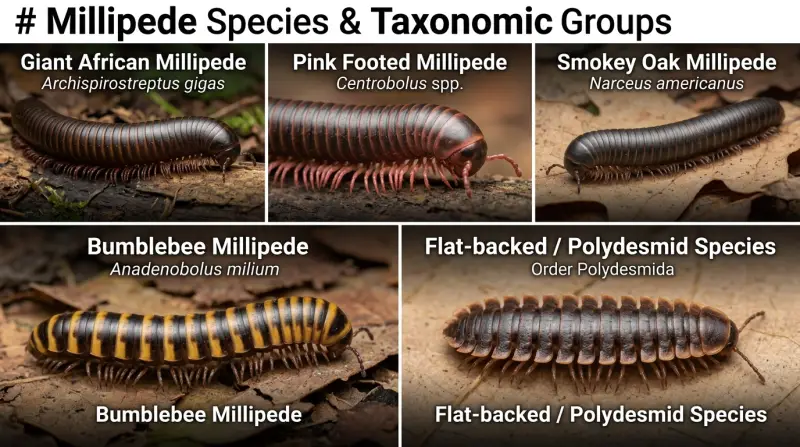
Millipede Lifespan Chart and Longevity Analysis
- Species Variance: Smaller temperate species range from 1 to 5 years, whereas massive tropical species like the Giant African millipede easily reach 7 to 10 years.
- Anamorphic Growth: Millipedes do not stop growing at maturity; they continue to add body segments and legs through successive molts, which represent vulnerable periods in their lifecycle.
- Captivity vs. Wild: Captive specimens often outlive wild counterparts due to protection from extreme weather, parasites, and apex predators, provided their humidity and substrate needs are met.
- Substrate Dependence: Because millipedes ingest decaying wood, leaf litter, and soil as a primary nutritional source, improper substrate composition severely diminishes their lifespan.
- Moisture & Ventilation Balance: Stagnant air combined with improper substrate moisture triggers fungal infections and catastrophic die-offs across all age classes.
- Defensive Stress: Frequent handling forces defensive secretions (such as benzoquinones) that drain metabolic energy and shorten overall longevity.
Evaluating millipede longevity requires a structured approach. The following comprehensive comparison table outlines lifespan expectations, environmental requirements, and growth traits across different popular and scientific millipede classifications.
| Species / Common Name | Scientific Name | Average Lifespan | Adult Size | Primary Habitat Type | Key Dietary Requirements |
|---|---|---|---|---|---|
| Giant African Millipede | Archispirostreptus gigas | 7 – 10 years | Up to 11 inches | Tropical Forest / Humid | Decayed hardwoods, leaf litter, calcium, veggies |
| Pink Footed Millipede | Centrobolus spp. | 3 – 5 years | 3 – 4 inches | Tropical / Scrubland | Flaked soil, rotting wood, sliced fruits |
| Smokey Oak Millipede | Narceus americanus | 5 – 7 years | 3 – 4 inches | Temperate Deciduous Forest | Oak/maple leaf litter, white-rot hardwood |
| Bumblebee Millipede | Anadenobolus milium | 2 – 3 years | 1 – 1.5 inches | Tropical Rainforest Floor | Humus-rich soil, lichen, decaying wood |
| Flat-backed / Polydesmid Species | Order Polydesmida | 1 – 3 years | 0.5 – 2 inches | Temperate Leaf Litter | Decomposing organic matter, damp humus |
This table acts as a foundational benchmark. However, understanding how a millipede progresses from an egg to a long-lived adult requires a close examination of their developmental biology.
Understanding the Millipede Life Cycle and Anamorphic Development
Unlike insects that undergo complete metamorphosis (holometabolism) or gradual metamorphosis (hemimetabolism), millipedes experience anamorphic development. When a female millipede lays her eggs in a subterranean nest or protective capsule, the emerging hatchlings typically possess only a few body segments and three pairs of legs.
As they feed and grow, millipedes enter a series of molting cycles. During each molt:
- The animal burrows into the substrate and constructs a specialized earthen molt chamber.
- It sheds its rigid exoskeleton, revealing a soft, vulnerable new layer underneath.
- Additional segments and leg pairs are added with almost every successive molt until sexual maturity is reached—and in some groups, even continuing past maturity.
Because molting requires immense energy, metabolic stress, and precise environmental humidity, a significant percentage of juvenile mortality occurs right inside the molt chamber. If the substrate is too dry, the old exoskeleton hardens prematurely, trapping the animal. If the substrate is waterlogged, the animal suffocates or succumbs to fungal pathogens during its vulnerable soft state.
Environmental Drivers of Lifespan
A millipede’s longevity is inextricably linked to microclimate stability. In their natural forest-floor habitats, millipedes buffer themselves against environmental extremes by burrowing deep into organic strata. In captivity or altered environments, several factors dictate whether they survive for months or a full decade:
Substrate Quality and Nutrition
Millipedes are nature’s primary recyclers. Their digestive tracts rely on a continuous intake of humic material, decaying white-rot hardwood (such as oak, beech, or maple), and decomposed leaf litter. Feeding millipedes a diet restricted solely to kitchen scraps without proper hardwood substrate will result in nutritional deficiencies, failed molts, and premature death.
Hydration and Humidity Gradients
Respiration in millipedes occurs via a network of branching tracheae opening through spiracles on their body rings. They lack the ability to actively close these spiracles tightly in dry air, making them highly susceptible to desiccation. Conversely, poor ventilation combined with high heat creates a swampy environment that breeds lethal nematodes, mites, and bacterial infections.
Comparative Analysis of Captive vs. Wild Lifespan Factors
When examining a millipede lifespan chart, researchers frequently note a stark divergence between wild populations and captive specimens. While wild millipedes serve critical roles in nutrient cycling, their average life expectancy in nature is rarely tracked accurately due to heavy predation.
In the wild, millipedes face constant threats from:
- Predation: Small mammals, amphibians, reptiles, and specialized predatory invertebrates (such as centipedes and certain beetle larvae) target them despite chemical defenses.
- Parasitism: Nematodes, phoretic mites, and parasitic fungi frequently exploit wild populations.
- Climate Volatility: Unseasonal droughts, freezing winters, or heavy flooding wipe out entire generations before they reach their physiological lifespan ceiling.
In contrast, well-maintained captive environments eliminate predators and weather extremes, allowing species like Archispirostreptus gigas to consistently reach the upper limit of their 10-year potential. However, captivity introduces new artificial risks, such as pesticide exposure from contaminated store-bought vegetables or improper enclosure chemistry.
Step-by-Step Husbandry Framework to Maximize Lifespan
For hobbyists and researchers seeking to support optimal longevity in captive millipedes, adhering to a rigorous structural framework is essential. The following sequence outlines best practices for maximizing lifespan:
- Substrate Formulation: Build a deep base (at least 4 to 6 inches for larger species) consisting of 60% well-decayed organic topsoil, 30% powdered or shredded white-rot hardwood, and 10% sterilized leaf litter. Avoid cedar, pine, or aromatic conifers entirely, as their natural resins are toxic to diplopods.
- Moisture Maintenance: Spray one half of the enclosure regularly to maintain a moisture gradient while keeping the other half slightly drier. The substrate should feel like a wrung-out sponge when squeezed—never dripping wet.
- Temperature Regulation: Keep tropical species within a stable range of 72°F to 80°F (22°C to 27°C). Avoid intense heating pads placed on the bottom or sides of glass tanks, which dry out the substrate unevenly and cook burrowing specimens.
- Supplemental Feeding: Provide sliced vegetables (zucchini, squash, sweet potato), calcium powder (such as calcium carbonate without D3), and occasional protein sources like bee pollen or crushed fish flakes to support exoskeleton mineralization.
- Zero-Disturbance Molting Protocol: If a millipede disappears into the substrate for weeks, do not dig it up. Disturbing an active molt chamber is one of the leading causes of captive mortality.
Common Mistakes and Pitfalls That Shorten Millipede Lifespan
Many keepers inadvertently shorten their pets’ lives through well-meaning errors. Recognizing these mistakes prevents sudden colony crashes:
- Using Coniferous Wood: Hardwoods undergoing white rot are mandatory. Softwoods contain volatile organic compounds that damage millipede respiratory systems.
- Ignoring Calcium Deficiencies: Without bioavailable calcium sources, millipedes cannot properly harden their new exoskeletons post-molt, leading to catastrophic body deformation.
- Over-Handling: Millipedes are display animals rather than interactive pets. Excessive handling triggers defensive chemical secretions containing benzoquinones and hydrogen cyanide derivatives, exhausting the animal’s metabolic reserves.
- Chemical Contamination: Washing feeding vegetables in tap water containing high chlorine/chloramines or using household cleaners near enclosures will quickly poison these sensitive invertebrates.
Frequently Asked Questions
The Giant African millipede (Archispirostreptus gigas) typically lives between 7 to 10 years when provided with ideal tropical warmth, deep organic substrate, and proper nutrition. Exceptional specimens may live slightly longer under optimal, stress-free conditions.
No. Unlike insects, most millipedes exhibit anamorphic development, meaning they continue to molt and add body segments and legs even after reaching sexual maturity, though the frequency of molting slows down significantly in older adults.
Burrowing for extended periods is completely normal. Millipedes spend weeks or months underground during the molting process, when preparing to lay eggs, or when regulating their moisture levels during seasonal temperature shifts. Never unearth a buried millipede unless absolute emergency maintenance requires it.
Determining the precise age of a wild millipede is difficult because their growth rate depends heavily on food availability and temperature. However, scientists and experienced keepers can estimate age class by counting body segments, measuring overall length, and noting developmental milestones.
Signs of impending death or severe illness include persistent sluggishness, an inability to right itself when placed on its back, stiff or curled legs that fail to respond to touch, and a foul odor or fluid leakage from the body segments. Environmental toxicity or advanced age are the most common causes.
Conclusion
A millipede lifespan chart reveals a fascinating window into the biology of ancient terrestrial invertebrates. Ranging from short-lived 1-to-2-year woodland species to long-lived 10-year tropical giants, these creatures depend entirely on steady microclimates, rich organic substrates, and uninterrupted molting cycles. By respecting their specialized ecological needs—prioritizing correct wood decay, balanced humidity, and minimal handling—keepers and researchers can ensure these resilient detritivores thrive through every stage of their remarkable, multi-segmented lives.