
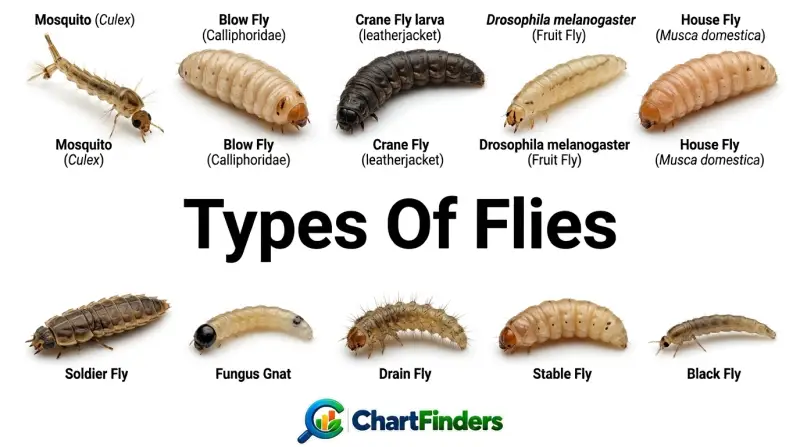
Fly fishing is fundamentally an exercise in underwater and surface entomology. Unlike conventional bait or lure fishing—where fish are often triggered by erratic motion, vibration, or scent—fly fishing relies on absolute deception. Success depends almost entirely on presenting a feathered, fur-wrapped hook that matches the visual silhouette, behavior, and position of the prey the fish are actively seeking. Because natural insects and baitfish occupy every layer of an aquatic ecosystem, fly tyers and anglers utilize a diverse array of fly designs, ranging from microscopic floating midges to articulated, foot-long saltwater streamers.
Understanding the types of flies available is the single most important milestone for any angler moving past the beginner stage. A fly is not merely a piece of art; it is a specialized tool engineered to behave in a specific hydrodynamic or aerodynamic manner. Some patterns must float high in turbulent riffles, while others must sink rapidly through deep, fast-flowing runs without snagging the riverbed. Whether you are targeting wary brown trout in a spring creek, aggressive smallmouth bass in a warmwater river, or explosive tarpon on a saltwater flat, mastering the classifications, anatomy, and application of fly patterns transforms your time on the water from guesswork into a calculated science.
Understanding the Diverse World of Fly Fishing Types Of Flies
- Fly patterns are systematically categorized by their buoyancy and position in the water column: surface, subsurface, and bottom.
- Dry flies float on the surface tension of the water, accurately imitating adult, winged aquatic and terrestrial insects.
- Nymphs and wet flies operate below the surface, representing the aquatic larval, pupal, or drowned adult stages that comprise up to 90% of a trout’s diet.
- Streamers are larger, active patterns designed to mimic swimming baitfish, leeches, crawfish, or injured prey to trigger predatory strikes.
- Terrestrials bring land-dwelling insects like grasshoppers, beetles, and ants onto the water, serving as crucial summer and autumn meals.
- Modern fly evolution includes specialized saltwater patterns, synthetic materials, and highly articulated designs that increase durability and movement.
To navigate the expansive taxonomy of fly fishing, it helps to view flies not just by their names—such as the Adams, Wooly Bugger, or Elk Hair Caddis—but by their mechanical function. Every fly is engineered to solve a specific presentation problem. Below is a comprehensive breakdown of the major fly categories, detailing how they are constructed, how they behave in the water, and when to fish them.
| Fly Category | Water Column Position | Primary Imitation | Classic/Popular Examples | Ideal Fishing Scenario |
|---|---|---|---|---|
| Dry Flies | Surface / Water Film | Adult winged insects (mayflies, caddisflies, midges) | Adams, Elk Hair Caddis, Parachute Wulff | Visible rises, calm slicks, hatch activity |
| Wet Flies | Subsurface / Mid-column | Drowned insects, emerging pupae, small baitfish | Soft Hackle, Partridge and Orange | Swing method in riffles, active insect emergence |
| Nymphs | Bottom / Deep Column | Aquatic larvae, nymphs, scuds, and midges | Pheasant Tail, Hare’s Ear, Copper John | Subsurface feeding, year-round trout rivers |
| Streamers | Any depth (Active retrieve) | Baitfish, leeches, sculpins, juvenile fish | Wooly Bugger, Clouser Minnow, Slumpbuster | Targeting large predatory fish, high/off-color water |
| Terrestrials | Surface / Sub-surface | Land insects (grasshoppers, beetles, ants, crickets) | Dave’s Hopper, Chernobyl Ant, Japanese Beetle | Summer/fall grassy banks, windy afternoons |
| Saltwater Flies | Variable (Surface to Deep) | Shrimp, crabs, baitfish, squid, sardines | Lefty’s Deceiver, EP Baitfish, Merkin Crab | Flat fishing, estuaries, offshore marine environments |
The table above outlines the foundational architecture of fly selection. Each category interacts with the water differently, requiring distinct casting techniques, line configurations, and presentation retrieves. Examining each type in detail reveals the nuances that separate casual fishing from consistent success.
1. Dry Flies: Surface Imitations
Dry flies are designed to float on the surface tension of the water without sinking. They represent adult, winged aquatic insects—such as mayflies, caddisflies, stoneflies, and midges—that have hatched, returned to the water to lay eggs, or fallen onto the surface. Fishing dry flies is widely considered the most visual and exciting form of fly fishing because the angler watches the fish physically rise and intercept the artificial.
Construction-wise, dry flies utilize buoyant materials such as hackle feathers (typically rooster neck or saddle feathers wrapped around the hook shank to create a collar), deer hair, elk hair, and high-float synthetics. Hooks are generally fine-wire and lightweight to prevent the fly from breaking through the water film.
- Mayfly Duns and Spinners: Imitate delicate insects with upright wings (duns) or spent wings lying flat on the water (spinners). Patterns like the Adams and Blue-Winged Olive (BWO) Parachute are staple choices.
- Caddisflies: Characterized by tent-like wings folded over their backs. The Elk Hair Caddis is arguably the most famous and effective caddis pattern ever tied, utilizing buoyant hair for exceptional flotation.
- Midges: Tiny insects that hatch year-round, especially important during winter months. Patterns like the Griffith’s Gnat imitate clusters of midges on the surface.
2. Nymphs: Subsurface Larvae and Pupae
While dry flies capture the public imagination, fish spend roughly 85% to 90% of their time feeding underwater. Nymphs imitate the immature, aquatic stages of insects that live beneath the surface, such as mayfly nymphs, stonefly nymphs, caddisfly larvae, and freshwater scuds.
Because these insects do not swim actively on the surface, nymphs must be weighted with lead wire, copper wire, or tungsten beads to sink quickly down to the streambed where fish feed. Anglers typically fish nymphs using indicators or through tight-line/euro-nymphing techniques.
- Generalist Nymphs: Patterns like the Hare’s Ear Nymph and Pheasant Tail Nymph do not imitate a single species precisely; rather, their buggy dubbing and silhouette suggest a wide variety of aquatic morsels.
- Beadhead Nymphs: The addition of a tungsten or brass bead (e.g., Copper John or Prince Nymph) provides vital weight to punch through turbulent water columns and get down into feeding zones quickly.
- Stonefly Nymphs: Large, robust insects found in rocky, fast-flowing freestone rivers. Patterns like the Rubberlegs Stonefly match these substantial meals for large trout.
3. Wet Flies and Soft Hackles: The Drowned Transition
Wet flies represent one of the oldest forms of artificial flies, predating modern dry fly fishing by centuries. They are fished beneath the surface, typically tied with soft, absorbent hackle feathers—such as partridge, hen, or starling—that pulse and breathe with the current. Wet flies represent emerging insects struggling to break through the surface film or drowned adults swept away by swift currents.
The traditional method of fishing wet flies is the “swing,” where the angler casts across and downstream, allowing the current to sweep the fly in an arcing pendulum movement. As the line tightens at the end of the swing, the fly rises toward the surface, often triggering aggressive strikes from trout and grayling.
4. Streamers: Predatory Imitations
When an angler wants to target large, predatory fish—such as trophy brown trout, bass, pike, musky, or steelhead—streamers are the weapon of choice. Streamers are larger flies, typically ranging from two to over six inches in length, designed to mimic baitfish, sculpins, leeches, crawfish, or injured minnows.
Unlike dead-drifting nymphs or dry flies, streamers are actively retrieved by the angler using strip-and-pause techniques to impart erratic, swimming motion. Modern streamer design has evolved significantly with the introduction of articulated flies—patterns tied with multiple hook sections and flexible joints that create an incredibly realistic undulation in the water.
- Wooly Bugger: A legendary hybrid pattern that can imitate a leech, baitfish, or large aquatic insect depending on how it is retrieved. It is a mandatory staple in every fly box.
- Clouser Minnow: Tied with dumbbell lead eyes on the bottom of the hook shank, giving it a jigging action and an upside-down hook orientation that reduces snags. It is a dominant pattern in both freshwater and saltwater environments.
- Articulated Streamers: Advanced patterns like the Game Changer utilize multi-segment shanks to achieve lifelike swimming actions that entice apex predators.
5. Terrestrials: Land-Based Opportunism
Terrestrials are land-dwelling insects—such as grasshoppers, crickets, beetles, ants, inchworms, and flying termites—that accidentally end up on the water due to wind, overhanging trees, or mowing activity. Because they do not live in the water, trout do not look for them on a strict calendar hatch schedule, but they eagerly devour them when available.
Terrestrial fishing shines brightest during mid-to-late summer and early autumn, particularly on hot, windy afternoons when grasshoppers and beetles are blown onto meadow streams. Patterns like the Chernobyl Ant and Dave’s Hopper float high and can support dropper nymphs beneath them (known as a dry-dropper rig).
6. Saltwater Flies: Engineered for Marine Resilience
Saltwater fly fishing presents unique engineering challenges. Marine species like bonefish, permit, tarpon, striped bass, and redfish possess crushing jaw structures, sharp teeth, and blistering speed. Consequently, saltwater flies are tied on ultra-strong, corrosion-resistant hooks and utilize durable synthetic materials like craft fur, EP fibers, and bucktail that shed water and hold up against predatory abuse.
Saltwater patterns generally fall into distinct forage categories:
- Crab and Shrimp Patterns: Weighted with lead eyes to sink quickly onto shallow flats, imitating crustaceans scuttling along the sandy bottom (e.g., Merkin Crab, Contraband Shrimp).
- Baitfish Imitations: Streamer-style flies designed to mimic fleeing pilchards, mullet, or herring in coastal estuaries and surf zones (e.g., Lefty’s Deceiver, EP Silverside).
Strategic Selection: Matching the Hatch and Water Column
Having a diverse box of flies is only half the battle; knowing when and how to deploy them determines success. Experienced anglers analyze three primary variables before tying on a fly:
- Visual Cues on the Water: Are fish rising to the surface, bulging just underneath, or holding deep in runs? Surface activity points directly to dry flies or emergers, while lack of surface action demands subsurface tactics.
- Stream Bottom Inspection: Turning over a few river rocks reveals the size and species of nymphs present. Matching the general profile and color of these benthic organisms yields immediate results.
- Water Conditions: High, murky, or stained water following a heavy rain reduces visibility, requiring large, flashy, or push-water streamers that emit strong lateral vibrations. Conversely, crystal-clear spring creeks demand delicate, small dry flies and fine tippets.
Common Mistakes in Fly Selection and Presentation
Even with the correct fly pattern tied to the end of the line, subtle errors in presentation or selection can result in a blank day on the water. Avoiding these pitfalls separates novices from proficient anglers:
- Ignoring Drag: When a floating fly line catches a faster current seam than the fly itself, it pulls the fly unnaturally across the water. This “drag” creates an unnatural wake that instantly alerts and sputters fish. Mending the line upstream prevents this.
- Obsessing Over Micro-Imitation: Beginners often spend excessive time trying to match the exact species of insect down to the millimeter. In most freestone rivers, general impressionistic patterns (like a standard Adams or Hare’s Ear) work better because fish make snap decisions in turbulent water.
- Fishing the Wrong Water Column: If fish are actively feeding on emerging midges just beneath the film, casting a high-floating dry fly will yield zero results. Switching to a wet fly or emerger suspended in the film solves the problem immediately.
Frequently Asked Questions
What is the single most versatile fly for freshwater fishing?
The Wooly Bugger is widely regarded as the most versatile freshwater fly ever created. Tied with marabou feathers and hackle, it can be fished as a streamer to mimic baitfish or leeches, weighted with a bead to act as a large nymph, or swung in rivers. It catches trout, bass, panfish, steelhead, and pike.
How do I know whether to use a dry fly or a nymph?
Observe the water. If you see fish rising, breaking the surface, or sipping insects, tie on a dry fly. If the water surface is dead calm and you see no surface activity, fish are almost certainly feeding subsurface. In that scenario, start with a nymph rig or a streamer.
What is a dry-dropper rig?
A dry-dropper rig is a popular and highly effective two-fly setup where a buoyant dry fly is tied to the leader tippet, and a small nymph (or emerger) is tied off the bend of the dry fly hook using an extra section of fluorocarbon or monofilament. The dry fly acts both as an insect imitation on the surface and as a strike indicator for the submerged nymph.
Why are saltwater flies different from freshwater flies?
Saltwater flies are engineered to withstand harsher environments and larger, more aggressive fish. They feature heavy-duty, corrosion-resistant hooks, often incorporate lead or stainless steel dumbbell eyes for rapid sinking, and utilize synthetic materials that do not absorb water, making large profiles easier to cast in windy coastal conditions.
What is the difference between a wet fly and a nymph?
While both are fished beneath the surface, wet flies are traditionally tied with soft, absorbent hackles that pulse in the current and are usually swung across and downstream to imitate emerging or drowned insects. Nymphs are heavier, often weighted with beads or lead wire, and are typically dead-drifted along the bottom to imitate crawling or drifting immature aquatic insects.
Conclusion
Mastering the diverse ecosystem of fly fishing flies is a lifelong pursuit that blends biology, physics, and artistry. By understanding the mechanical distinctions between dry flies, nymphs, wet flies, streamers, terrestrials, and saltwater patterns, you eliminate guesswork and gain the diagnostic tools needed for any angling scenario. Success on the water is rarely about finding a single magic fly; rather, it is about correctly diagnosing what fish are eating, where they are feeding in the water column, and presenting your pattern with the realism required to fool them.