
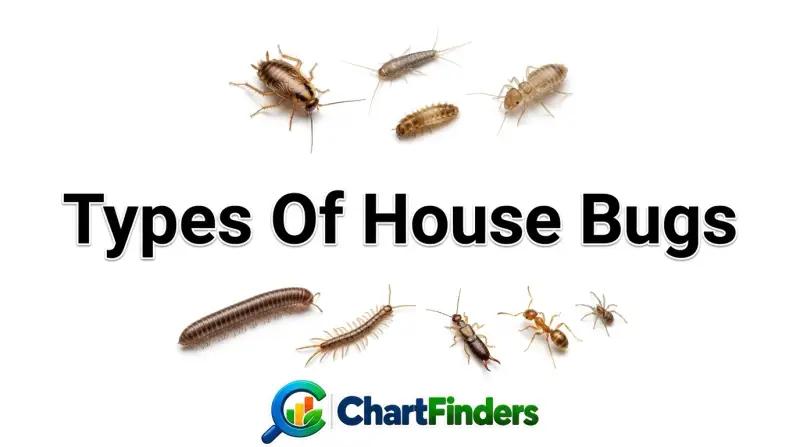
Domestic structures present unique microclimates characterized by stable ambient temperatures, protected harborages, and concentrated organic resources. Consequently, numerous hexapod and arachnid taxa have evolved synanthropic habits, living in close association with human habitations. When these organisms cross the threshold from outdoor ecologies into indoor living spaces, they frequently trigger structural degradation, contaminate stored provisions, or present direct medical concerns via envenomation, biting, or allergen production.
Understanding the spectrum of domestic entomology requires more than a casual glance at a crawling arthropod. Differentiating an accidental structural invader from an established, colonizing pest dictates the success of any subsequent management protocol. Misidentification frequently leads to futile chemical applications or structural degradation caused by untreated primary infestations, such as drywood or subterranean termites. This guide provides an exhaustive entomological breakdown of the primary house bugs encountered in contemporary domestic environments, detailing their anatomical characteristics, behavioral ecologies, and diagnostic criteria.
Types Of House Bugs
- Domestic pests belong to distinct orders possessing specialized mouthparts adapted for chewing, piercing-sucking, or sponging.
- Hematophagous species like Cimex lectularius and Ctenocephalides felis require vertebrate hosts and leave distinct dermatological or spatial indicators.
- Moisture-dependent taxa such as Collembola and Psocoptera serve as bioindicators of elevated relative humidity and localized fungal growth.
- Wood-boring organisms (Isoptera, Anobiidae) cause severe structural compromise requiring direct intervention based on frass morphology and gallery structures.
- Textile pests (Dermestidae, Tineola bisselliella) utilize keratinases to digest animal-derived fibers, targeting wool, fur, and silk.
To systematically evaluate the spectrum of domestic insects and related hexapods, entomologists categorize them based on their ecological impacts and feeding guilds. The following sections provide an in-depth taxonomic and anatomical breakdown of the primary groups.
| Common Name | Scientific Name / Order | Primary Eco-Niche | Diagnostic Morphological Marker | Principal Risk |
|---|---|---|---|---|
| Subterranean Termite | Reticulitermes spp. (Isoptera) | Cellulose digestion; subterranean nests | Broad waist, straight antennae, pale body | Catastrophic structural timber collapse |
| Bed Bug | Cimex lectularius (Hemiptera) | Hematophagous ectoparasitism | Oval, flattened dorsal-ventral body, vestigial wings | Dermatological irritation, psychological distress |
| Cat Flea | Ctenocephalides felis (Siphonaptera) | Ectoparasite on domestic mammals | Laterally compressed, leaping hind coxae, genal combs | Pruritic bites, potential tapeworm vectoring |
| Varied Carpet Beetle | Anthrenus verbasci (Coleoptera) | Keratin digestion (wool, feathers, hides) | Scavenging larvae covered in dense, alternating setae | Destruction of natural textiles and museum specimens |
| Silverfish | Lepisma saccharina (Zygentoma) | Starch and polysaccharide consumption | Wingless, teardrop-shaped body, three caudal filaments | Damage to paper, wallpaper, and bookbindings |
| Phorid Fly | Family Phoridae (Diptera) | Organic decay, damp organic media | Distinctive humped thorax, rapid erratic running | Food contamination, nuisance populations near drains |
| Common House Fly | Musca domestica (Diptera) | Synanthropic filth feeder, liquid saprophage | Sponging mouthparts, four dark longitudinal thoracic stripes | Pathogen transmission (mechanical vector of bacteria) |
The matrix above illustrates the profound functional diversity found within human dwellings. While some species operate as hidden structural destroyers, others function as visible surface scavengers or specialized blood-feeders. Recognizing these functional differences is the first step toward effective identification.
Structural Wood-Destroying Organisms
Wood-destroying insects represent the most economically damaging category of domestic pests. These organisms possess specialized digestive symbioses or enzymatic pathways capable of breaking down lignocellulosic matrices.
Termites (Isoptera)
Termites are social insects operating within complex castes (workers, soldiers, reproductives). Subterranean termites (such as Reticulitermes species) construct mud tubes to bridge gaps between soil and structural timber, maintaining the high humidity required for their soft cuticles. Unlike ants, which possess constricted (petiolate) waists and elbowed antennae, termites feature broad, thick waists and straight, beaded antennae. Alates (swarmers) shed their wings upon finding a suitable mate, leaving behind four wings of equal length.
Powderpost Beetles (Family Anobiidae and Lyctidae)
Unlike termites that consume wood to extract cellulose via protozoan or bacterial action in their hindguts, powderpost beetle larvae bore directly through seasoned hardwoods and softwoods, reducing structural framing to fine, talcum-powder-like frass. Adults emerge by chewing circular exit holes (1 to 2 mm in diameter) through the surface veneer, signaling an active interior infestation.
Hematophagous Ectoparasites and Biting Pests
Blood-feeding arthropods are specialized for piercing host integument and consuming vertebrate blood. Their mouthparts consist of elongated stylets housed within a protective labium.
Bed Bugs (Cimex lectularius)
Adult bed bugs are reddish-brown, oval, flattened dorsoventrally, and measure roughly 4 to 5 mm in length. Lacking functional wings, they rely on passive transport and directional sensing of carbon dioxide, thermal gradients, and mammalian kairomones to locate resting hosts. Harborages are typically located within mattress seams, box spring internal framing, headboards, and adjacent electrical outlets. Diagnostic indicators include dark fecal spotting, cast cuticular skins from five nymphal instars, and sweet, musty alarm pheromones produced by scent glands.
Cat Fleas (Ctenocephalides felis)
The cat flea is the most prevalent flea encountered in domestic environments, infesting both feline and canine hosts while readily biting humans. Morphologically adapted for lateral compression, these wingless insects navigate easily through dense fur matrices. Their posterior thoracic legs are hyper-developed for explosive leaping mechanics. Larvae are free-living, vermiform scavengers that subsist on adult flea feces (dried digested blood) in carpeting and floor cracks before spinning silken cocoons.
Moisture-Associated Nuisance Pests
High relative humidity and localized moisture accumulation support a range of detritivorous and fungivorous micro-arthropods.
Springtails (Order Collembola)
Springtails are microscopic, wingless hexapods characterized by a ventral springing organ (the furcula) located on the fourth abdominal segment. When disturbed, this organ releases from a clasp (the retinaculum), propelling the organism vertically. They require near-saturation humidity and feed on fungal hyphae and decaying organic matter in bathrooms, basements, and subfloors.
Psocids or Booklice (Order Psocoptera)
Booklice are minute (1 to 2 mm), soft-bodied insects ranging from translucent white to grayish-brown. They thrive in unventilated, humid environments where micro-molds and microscopic fungi flourish on wallpaper paste, bookbindings, and stored grains. Their presence is a direct biological indicator of excess relative humidity.
Textile and Stored-Product Scavengers
These organisms have evolved specialized digestive systems capable of utilizing hard-to-digest organic polymers, including keratin (animal hair, wool, feathers) and complex starches.
Carpet Beetles (Family Dermestidae)
Species such as the varied carpet beetle (Anthrenus verbasci) undergo complete metamorphosis. While adults are harmless pollen-feeders, the larvae are elongate, heavily setose (bristly) scavengers. These larvae possess specialized enzymes capable of digesting keratin, allowing them to destroy wool carpets, taxidermy mounts, leather goods, and stored natural fibers.
Silverfish (Lepisma saccharina)
Silverfish are ancient, wingless insects belonging to the order Zygentoma. They possess a flattened, teardrop-shaped body covered in metallic, silver-gray scales and feature three long caudal filaments at the posterior margin of the abdomen. They inhabit dark, damp spaces such as crawlspaces and bathrooms, consuming starches, dextrin, polysaccharides, and paper products.
Synanthropic Flies
Flies encountered indoors vary from structural filth feeders to ephemeral moisture-breeders.
Common House Flies (Musca domestica)
The house fly is a prominent synanthropic pest possessing sponging mouthparts incapable of biting. They feed on liquid or liquefiable organic matter, regurgitating digestive juices to break down food sources before ingestion. Morphologically, they are identified by four distinct longitudinal dark stripes on the dorsal surface of the thorax.
Phorid Flies (Family Phoridae)
Also known as humpbacked flies due to the characteristic arched profile of the mesothorax, phorid flies breed in decomposing organic material, broken sewer lines, and moist soil beneath slabs. They run rapidly across surfaces rather than flying immediately when disturbed, distinguishing them from standard house flies.
Diagnostic Identification Process for Domestic Infestations
Determining the exact identity of a domestic insect infestation requires a structured, multi-step investigative protocol. Relying solely on visual sightings of a single adult specimen often leads to misdiagnosis, as many transient organisms wander indoors from exterior habitats without establishing breeding populations.
- Environmental Context Mapping: Document the precise micro-habitat where the specimen was recovered. High-moisture areas (basements, sumps, bathrooms) point toward Collembola, Psocoptera, or drain-breeding Phoridae. Dry, dark structural timbers suggest Anobiidae or Isoptera.
- Morphological Asset Breakdown: Secure an intact specimen and examine it under magnification (10x to 40x hand lens or stereomicroscope). Evaluate wing presence and venation, antennal segmentation (beaded, filiform, clubbed), tarsal counts, and mouthpart structure.
- Secondary Physical Evidence Assessment: Inspect the immediate environment for diagnostic byproducts. Look for frass geometry (cylindrical pellets vs. fine powder), silken webbing, cast larval exuviae, or distinct staining on fabrics and bedding.
- Behavioral Timing and Motility: Note whether the organisms are photophobic (active only under darkness, like Cimex lectularius), jump when disturbed (Ctenocephalides felis, Collembola), run erratically (Phoridae), or fly sluggishly toward light sources (Musca domestica).
Following this methodological sequence eliminates guesswork, ensuring that management strategies target the root biological vector rather than merely suppressing surface-level symptoms.
Common Mistakes in Domestic Pest Management
Homeowners and facility managers frequently commit diagnostic and operational errors when attempting to resolve insect invasions. Understanding these pitfalls ensures resource efficiency and prevents exacerbating the underlying problem.
- Treating Nuisance Invaders as Structural Pests: Applying heavy residual insecticides to baseboards when encountering accidental invaders like ground beetles or springtails fails to address the root cause—exterior entry points and perimeter moisture imbalances.
- Ignoring Environmental Indicators: Treating booklice (Psocoptera) or silverfish with chemical aerosols without lowering ambient relative humidity below 50% guarantees rapid re-infestation, as these organisms thrive exclusively in moisture-compromised microclimates.
- Misidentifying Frass Sources: Conflating the fine, powdery frass of powderpost beetles with the hard, six-sided, capsule-like fecal pellets of drywood termites leads to completely ineffective control protocols.
- Overlooking Alternative Hosts for Ectoparasites: Attempting to eradicate a flea or bed bug infestation solely through localized chemical treatment of furniture while ignoring domestic pets, feral wildlife nests in attics, or adjacent vector-sharing units.
Frequently Asked Questions
What is the difference between a booklice infestation and a true lice infestation?
Booklice (Psocoptera) are free-living, harmless scavengers of micro-molds that inhabit damp environments, possessing chewing mouthparts and no parasitic relationship with humans or animals. True lice (order Phthiraptera) are obligate, host-specific hematophagous ectoparasites possessing specialized claws adapted for clinging to mammalian hair or avian feathers.
Why do I suddenly see flying insects indoors during winter?
Indoor heating and protected structural voids often trick dormant overwintering insects—such as cluster flies (Pollenia species) or brown marmorated stink bugs (Halyomorpha halys)—into breaking diapause prematurely. Seeking light and warmth, these sluggish organisms emerge from attics and wall cavities into habitable living spaces.
How can I distinguish between termite swarming alates and flying ants?
While both produce winged reproductive forms, three key morphological differences separate them: termites possess straight, beaded antennae, broad thick waists with no constriction, and four wings of equal length. Flying ants feature elbowed (geniculate) antennae, a sharply constricted petiolate waist, and forewings that are noticeably longer than their hind wings.
Are carpet beetle larvae dangerous to humans?
Carpet beetles do not bite, sting, or vector pathogens. However, the dense, barbed hairs (hastate setae) covering the larvae can shed into carpeting and soft furnishings, causing mechanical contact dermatitis, skin irritation, or allergic respiratory reactions in sensitive individuals.
What causes sudden outbreaks of tiny jumping bugs in the bathroom?
Tiny jumping organisms in bathrooms are almost invariably springtails (Order Collembola). Their presence is driven by excessive moisture, unsealed tile grout, or leaking plumbing fixtures that nourish microscopic molds and fungi upon which the springtails feed.
Conclusion
Managing domestic insect populations requires shifting from reactive extermination to proactive ecological understanding. By analyzing morphological markers, mapping environmental variables, and correctly identifying feeding guilds, property owners can diagnose the root causes of structural and nuisance infestations. Whether addressing the destructive tunneling of wood-boring beetles, the moisture-driven proliferation of psocids, or the hematophagous pressure of bed bugs, accurate identification remains the foundational prerequisite for long-term domestic biosecurity.