
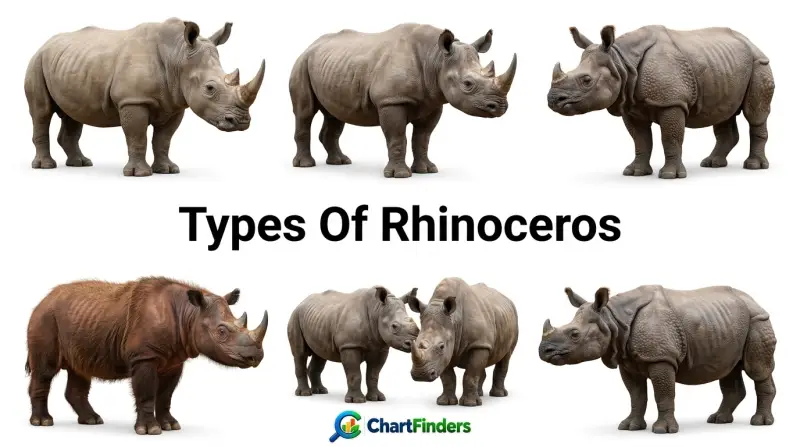
Few megafauna command the mythical presence or evoke the acute conservation urgency of the rhinoceros. Heavy-bodied, thick-skinned, and armed with formidable nasal horns, these ancient ungulates are the surviving remnants of a once-diverse evolutionary radiation that spanned multiple continents and epochs. To understand the rhinoceros is to look through a window into deep geologic time, yet it is also an exercise in contemporary crisis management. From the expansive grasslands of southern Africa to the steamy lowland rainforests of Southeast Asia, each surviving lineage has forged a distinct evolutionary pathway, adapting its dentition, social structure, and morphology to niche ecological demands.
Yet, the modern taxonomy of rhinos is precarious. Decades of relentless poaching driven by illegal wildlife trafficking, coupled with habitat fragmentation and agricultural expansion, have pushed several species to the absolute brink of existence. While conservation breeding programs, intensive anti-poaching units, and translocations have offered lifelines to certain populations, others remain trapped in terminal demographic bottlenecks. This comprehensive examination explores the five extant types of rhinoceros, dissecting their defining physical characteristics, ecological roles, geographical distributions, historical evolutionary contexts, and distinct conservation statuses.
Taxonomic Classification and Global Diversity: Types Of Rhinoceros
- Global rhino numbers hover below 28,000 individuals split across five distinct surviving species across four genera (Ceratotherium, Diceros, Rhinoceros, and Dicerorhinus).
- African species (White and Black rhinos) feature two horns and lack incisor teeth, relying on specialized lips for grazing or browsing.
- Asian species (Greater One-Horned, Javan, and Sumatran rhinos) possess unique armor-like skin folds and incisors modified into sharp tusks.
- The Sumatran rhino is the world’s smallest and hairiest living rhinoceros, with a population hovering below 80 individuals.
- The northern white rhino subspecies is functionally extinct, represented by only two captive females, leaving intensive genetic rescue as its sole hope.
Rhinoceroses belong to the order Perissodactyla, the odd-toed ungulates, making them evolutionary cousins to horses and tapirs. Taxonomically, the surviving members of the family Rhinocerotidae are divided into two distinct geographical groups: the African rhinos and the Asian rhinos. These groups diverged millions of years ago, resulting in striking anatomical differences ranging from skin texture and dental structure to horn counts and social behaviors.
The following detailed breakdown organizes the five extant types of rhinoceros based on scientific consensus, field morphology, and ecological distribution.
| Common Name | Scientific Name | Native Region | Estimated Population (2026) | Conservation Status | Distinctive Feature |
|---|---|---|---|---|---|
| White Rhinoceros | Ceratotherium simum | Sub-Saharan Africa | ~16,000–18,000 | Near Threatened | Wide, square upper lip; broad flat muzzle for grazing |
| Black Rhinoceros | Diceros bicornis | Eastern and Southern Africa | ~6,000–6,400 | Critically Endangered | Pointed, prehensile hooked upper lip for browsing |
| Greater One-Horned Rhinoceros | Rhinoceros unicornis | Northern India and Nepal | ~4,000 | Vulnerable | Single prominent horn; armor-like skin plates with tubercles |
| Javan Rhinoceros | Rhinoceros sondaicus | Java, Indonesia (Ujung Kulon) | ~76–82 | Critically Endangered | Single small horn; mosaic-like patterned skin folds |
| Sumatran Rhinoceros | Dicerorhinus sumatrensis | Sumatra and Borneo, Indonesia | <80 | Critically Endangered | Two horns; covered in reddish-brown hair; vocal communicator |
Analyzing this data reveals a stark bifurcation in the rhino world. While intensive conservation measures have allowed the white and greater one-horned rhinos to claw their way back from historical lows, the three critically endangered species linger in fragile, highly isolated pockets.
African Rhinos: The Grazers and Browsers of the Open Savanna
Africa is home to two species of rhinoceros, both of which possess two horns composed of keratin—the same protein found in human hair and fingernails—rather than true bone. Unlike their Asian counterparts, African rhinos lack incisor and canine teeth, relying entirely on grinding molars and specialized lips to process vegetation.
1. White Rhinoceros (Ceratotherium simum)
Despite its name, the white rhino is slate grey to yellowish-brown in color. The moniker is widely believed to be an anglicization of the Afrikaans word wyd, meaning “wide,” which early Dutch settlers used to describe its broad, flat square muzzle. This anatomical adaptation is tailor-made for grazing.
- Diet: Strictly a grazer, using its wide lip like a lawnmower to crop short grasses in open savannas and floodplains.
- Social Structure: The most social of all rhino species. Females form loose groups (creches or crashes) with their calves, while dominant males defend large territories marked with dung middens and urine sprays.
- Subspecies: Divided into two distinct populations: the Southern White Rhino (which recovered dramatically from fewer than 100 individuals in the late 19th century) and the Northern White Rhino, which is functionally extinct following the death of the last known male, Sudan, in 2018. Only two female northern whites remain, guarded round-the-clock in Kenya.
2. Black Rhinoceros (Diceros bicornis)
Smaller, more aggressive, and far more solitary than its white counterpart, the black rhino is distinguished by its prominent hooked upper lip. This prehensile appendage acts almost like an extra finger, allowing the animal to deftly strip leaves, twigs, and bark from woody shrubs and bushes.
- Diet: A specialized browser, feeding selectively on over 200 species of plants, often targeting acacia thorns and high-tannin shrubs.
- Behavior: Known for its notoriously volatile temperament and quick defense reactions, largely driven by poor eyesight combined with acute senses of hearing and smell.
- Subspecies: Historically categorized into four subspecies (South-Central, South-Western, Eastern, and West African), the West African black rhino was declared extinct in 2011, while remaining populations face relentless poaching pressures for their horns.
Asian Rhinos: Armor-Plated Dwellers of Forests and Floodplains
The three Asian rhino species are evolutionary distinct from African lineages, having diverged an estimated 40 million years ago. They are immediately recognizable by their deep skin folds that give the distinct visual impression of wearing medieval plate armor. Additionally, all Asian rhinos retain sharp incisor teeth, which function as formidable tusks during aggressive encounters.
3. Greater One-Horned Rhinoceros (Rhinoceros unicornis)
Also known as the Indian rhinoceros, this magnificent beast is the largest of the Asian species. Once teetering on the edge of extinction with fewer than 200 individuals remaining in the early 1900s, it stands as one of modern conservation’s greatest success stories, largely thanks to stringent protection in India’s Kaziranga National Park and Nepal’s Chitwan National Park.
- Morphology: Features a single thick black horn and heavy, grey-brown skin covered in prominent tubercles (knob-like bumps) that create segmented armor panels.
- Habitat: Prefers alluvial tall-grass grasslands, riverine forests, and swampy wetlands.
- Ecology: Excellent swimmers that regularly wallow in mudholes to regulate body temperature and deter biting insects.
4. Javan Rhinoceros (Rhinoceros sondaicus)
The Javan rhino is widely considered one of the rarest large mammals on Earth. With no individuals surviving in captivity, the entire global population is confined to a single, heavily guarded sanctuary: Ujung Kulon National Park on the western tip of Java, Indonesia.
- Characteristics: Possesses a single, relatively short horn (often absent or barely a stub in females). Its skin features a loose mosaic pattern of polygon-shaped blocks that give it a saddle-like appearance across the shoulder.
- Diet: A selective browser that feeds on fallen fruit, young foliage, and twigs in dense lowland tropical rainforests.
- Vulnerability: Because the entire species is restricted to one peninsula prone to volcanic activity (near the Anak Krakatoa volcano) and potential disease outbreaks, it remains in perpetual jeopardy of total extinction.
5. Sumatran Rhinoceros (Dicerorhinus sumatrensis)
The Sumatran rhino is the sole surviving representative of the ancient lineage of hairy rhinos (Dicerorhinus), which once shared Eurasia with the extinct woolly rhinoceros (Coelodonta antiquitatis) during the Pleistocene epoch. It is the smallest living rhino species and easily the most distinct.
- Unique Traits: Unlike any other modern rhino, the Sumatran rhino is covered in a sparse coat of reddish-brown hair (which can be thicker in juveniles). It features two horns and possesses a complex vocal repertoire of whistles, groans, and squeaks used to communicate over long rainforest distances.
- Status: Critically endangered, numbering fewer than 80 individuals scattered in fragmented, non-viable populations across Sumatra and the Indonesian portion of Borneo.
- Conservation Hurdles: Due to extreme forest fragmentation, individuals are often too isolated to find mates naturally, prompting advanced reproductive technology and sanctuary-breeding initiatives.
Anatomical and Behavioral Divergence Across Species
To fully appreciate the diversity within the rhinoceros family, one must examine how form follows function across varying environments. The divergence between grazers and browsers is not merely dietary; it dictates social organization, territorial defense, and physiological adaptations.
Dental and Cranial Adaptations
The absence of front teeth in African rhinos forces them to rely entirely on their lips and cheeks. The white rhino’s wide, flat lip is designed for sweeping across monoculture grasslands, whereas the black rhino’s pointed, prehensile lip requires precise dexterity to pluck nutrient-dense browse without ingesting toxic thorns.
Conversely, Asian rhinos possess lower incisors that develop into sharp tusks. These are deployed during territorial battles between males, resulting in deep slashing wounds rarely seen in African territorial disputes, which are more commonly settled by horn-to-horn pushing and sheer mass.
Skin Architecture and Thermal Regulation
While African rhino skin is thick, smooth, and uniformly grey, Asian rhino skin is characterized by deep dermal folds that act like accordion joints. This adaptation allows the skin to flex smoothly as the animal moves through dense vegetation and mud. , these folds create deep creases that trap moisture, helping the animal cool down in hot tropical climates where sweat glands are insufficient for thermoregulation.
Evolutionary History and Extinct Lineages
The five surviving species of rhinoceros are merely the last flickering candles of what was once an immensely diverse mammalian radiation. The family Rhinocerotidae emerged during the Eocene epoch, more than 50 million years ago, and expanded across North America, Europe, Asia, and Africa. At various points in history, rhinos occupied forms ranging from small, dog-sized cursorial runners to gigantic aquatic browsers.
Among the most famous extinct relatives are:
- Paraceratherium (Indricotherium): Widely recognized as one of the largest land mammals ever to walk the Earth, this hornless giant roamed Oligocene forests of Eurasia, reaching heights of nearly 5 meters at the shoulder and weighing up to 20 tons.
- Woolly Rhinoceros (Coelodonta antiquitatis): Adapted to the harsh Ice Age steppes of Pleistocene Europe and Asia, this heavy-duty grazer possessed a thick woolly coat, massive double horns adapted for sweeping snow away from vegetation, and a robust hump of fat over its shoulders. Recent paleontological discoveries continue to unearth preserved specimens in permafrost zones, shedding light on their physiology and paleoenvironment.
Conservation Realities and Modern Threats
The survival of the five rhino types faces complex, multi-layered socioeconomic and ecological pressures:
- The Horn Trade Cartels: Driven by persistent demand in parts of Asia where rhino horn is falsely believed to possess medicinal properties or used as a status symbol, organized poaching syndicates utilize advanced tracking technology, veterinary tranquilizers, and automatic weapons.
- Habitat Fragmentation: Agricultural conversion, logging, and infrastructure development have isolated wildlife populations into genetic islands, preventing natural dispersal and interbreeding.
- Inbreeding Depression: Extremely small populations, particularly the Javan and Sumatran rhinos, face severe genetic bottlenecks that reduce fertility and immune system resilience.
Modern conservation strategies rely heavily on community-based anti-poaching patrols, DNA profiling of seized horns to trace trafficking networks, dehorning programs to deter poachers, and translocations to establish new, secure founder populations.
Frequently Asked Questions
How many species of rhinoceros are left in the world?
There are five extant species of rhinoceros remaining globally: the White Rhinoceros, Black Rhinoceros, Greater One-Horned Rhinoceros, Javan Rhinoceros, and Sumatran Rhinoceros, totaling fewer than 28,000 individuals.
What is the difference between black and white rhinos?
The primary difference lies in their diet and mouth morphology. The white rhino is a grazer with a wide, square lip suited for eating grass. The black rhino is a browser with a pointed, hooked lip designed for plucking leaves and twigs from bushes and trees. Both are actually grey in color.
Are rhino horns made of bone?
No. Rhino horns are composed entirely of keratin, the same fibrous structural protein found in human hair, hooves, and fingernails. The horn grows continuously throughout the animal’s life.
Which rhino species is the most endangered?
The Sumatran rhinoceros and the Javan rhinoceros are tied as the most critically endangered. Both species number fewer than 80 individuals in the wild and face severe risks of extinction due to fragmented habitat and tiny population sizes.
Do Asian rhinos have more than one horn?
It depends on the species. The Greater One-Horned rhino and the Javan rhino possess a single horn. However, the Sumatran rhino possesses two horns, making it unique among Asian rhinos.
Conclusion
The five types of rhinoceros represent irreplaceable branches of the mammalian tree of life, shaped by millions of years of distinct evolutionary pressures. From the sprawling grasslands of the African savanna to the damp, dense rainforests of Southeast Asia, these magnificent creatures perform critical ecological roles as ecosystem engineers, seed dispersers, and landscape architects. As global populations hover below 28,000 individuals, the continued survival of the white, black, greater one-horned, Javan, and Sumatran rhinos depends entirely on rigorous international protection, habitat preservation, and unwavering human commitment to halting the illegal wildlife trade.