
Managing appetite while maintaining a caloric deficit is one of the greatest challenges in modern nutrition. Traditional diets often rely on strict portion control, leaving individuals feeling deprived, fatigued, and constantly hungry. However, human satiety is governed not only by hormonal signaling but also by the physical volume of food consumed. When the stomach expands, it signals to the brain that a substantial meal has been eaten. This physiological mechanism is the foundation of energy density optimization.
(Reference: Ultra-Processed Foods and Metabolic Dysfunction: A Narrative Review of Dietary Processing, Behavioral Drivers and Chronic Disease Risk)By shifting dietary focus toward low energy density foods, you can physically fill your plate—and your stomach—while consuming a fraction of the calories found in processed, fat-dense, or sugar-dense alternatives. This comprehensive guide explores the mechanics of energy density, provides an exhaustive reference framework, examines how specific food categories suppress hunger, and offers practical strategies for restructuring your daily diet for long-term health and metabolic balance.
Explore our detailed breakdown on Seafood Cholesterol Chart: Complete Reference Chart.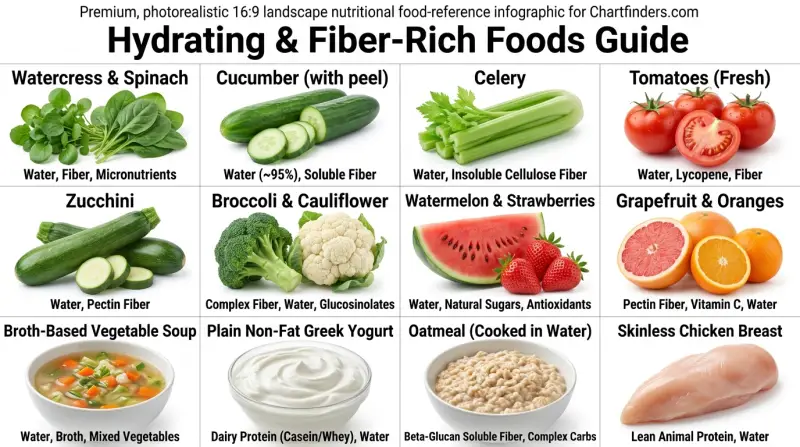
Understanding the Low Energy Density Foods Chart
- Volume Over Calories: Energy density measures calories per gram, allowing you to eat larger portions of low-density foods for fewer calories.
- The Power of Water and Fiber: Water and dietary fiber add weight and bulk to foods without adding calories, significantly enhancing gastric stretch and fullness.
- Categorical Hierarchy: Non-starchy vegetables, watery fruits, clear broths, and lean proteins occupy the lowest energy density tiers.
- Caloric Dilution: Integrating low-density foods into high-density meals (such as adding vegetables to grains) reduces the overall caloric density of the dish.
- Satiety Hormones: High-volume, nutrient-dense eating patterns help regulate ghrelin and peptide YY, blunting appetite naturally.
- Whole Food Focus: Highly processed foods are systematically engineered for high energy density, whereas whole foods retain natural water and fiber matrices.
An energy density food chart ranks food items based on their caloric content per unit of weight, usually expressed in kilocalories per gram (kcal/g). Developed extensively by nutritional scientists and public health bodies like the British Nutrition Foundation, this classification system divides foods into four distinct categories ranging from very low to high energy density. Understanding where foods fall on this spectrum enables strategic dietary planning that prioritizes metabolic satisfaction.
The Four Tiers of Energy Density
To navigate nutritional choices effectively, it helps to understand how foods are segmented across the energy density spectrum:
- Very Low Energy Density (0 to 0.6 kcal/g): Primarily composed of water and fiber. Includes cucumbers, tomatoes, leafy greens, celery, broth-based soups, and watermelon. You can eat large quantities of these foods with minimal caloric impact.
- Low Energy Density (0.6 to 1.5 kcal/g): Includes whole fruits, non-starchy cooked vegetables, whole grains (cooked in water), legumes, and lean proteins like skinless poultry and white fish. These form the baseline of a filling weight-management diet.
- Medium Energy Density (1.5 to 4.0 kcal/g): Encompasses items like lean meats, cheese, plain starches, dried fruits, and breads. Portion control becomes necessary within this bracket.
- High Energy Density (4.0 to 9.0 kcal/g): Dense in fats and refined sugars. Includes butter, oils, chocolate, nuts, seeds, potato chips, cookies, and fried foods. These require strict limitation when managing caloric intake.
The Physiology of Satiety: Why Volume Matters
The human body possesses specialized mechanoreceptors located in the walls of the stomach. When you eat, these stretch receptors are activated by the physical volume of the food bolus. Once stimulated, they transmit signals via the vagus nerve to the brainstem and hypothalamus, suppressing the hunger hormone ghrelin and promoting the release of satiety hormones like cholecystokinin (CCK) and peptide YY (PYY).
If you consume a small, highly concentrated portion of food—such as a handful of potato chips—your caloric intake is high, but your stomach volume remains largely unchanged. Your brain receives weak stretch signals, leaving you feeling unsatisfied. Conversely, consuming an equivalent number of calories in leafy greens and vegetables physically fills the stomach, satisfying both metabolic and mechanical requirements for fullness.
Comprehensive Low Energy Density Foods Comparison Table
The following reference table outlines common whole foods, their approximate energy density, primary macronutrients, and typical physical characteristics that drive satiety. Use this table to build meals that maximize volume while keeping energy intake controlled.
| Food Item | Energy Density (kcal/g) | Primary Component | Satiety Mechanism | Typical Serving Profile |
|---|---|---|---|---|
| Watercress & Spinach | ~0.12 – 0.23 | Water, Fiber, Micronutrients | High gastric volume, very low caloric ceiling | Large mixing base for salads |
| Cucumber (with peel) | ~0.15 | Water (~95%), Soluble Fiber | Gastric distension, high hydration | Sliced as a crunchy snack or meal addition |
| Celery | ~0.16 | Water, Insoluble Cellulose Fiber | Mechanical chewing effort, stomach stretching | Raw snack sticks |
| Tomatoes (Fresh) | ~0.18 | Water, Lycopene, Fiber | Volumetric expansion, savory flavor profile | Sliced in salads or cooked into sauces |
| Zucchini | ~0.17 | Water, Pectin Fiber | Low calorie bulk, versatile texture | Sautéed, roasted, or spiralized |
| Broccoli & Cauliflower | ~0.25 – 0.34 | Complex Fiber, Water, Glucosinolates | Slow gastric emptying, heavy chewing requirement | Steamed or roasted side dish |
| Watermelon & Strawberries | ~0.30 – 0.32 | Water, Natural Sugars, Antioxidants | Hydration combined with sweet satiety | Fresh fruit bowls |
| Grapefruit & Oranges | ~0.38 – 0.47 | Pectin Fiber, Vitamin C, Water | Viscous soluble fiber slows digestion | Segmented fresh fruit |
| Broth-Based Vegetable Soup | ~0.35 – 0.50 | Water, Broth, Mixed Vegetables | Pre-meal loading slows total calorie intake | Starter course before main meals |
| Plain Non-Fat Greek Yogurt | ~0.59 – 0.73 | Dairy Protein (Casein/Whey), Water | High protein stimulates PYY and CCK release | Protein bowl with berries |
| Oatmeal (Cooked in Water) | ~0.70 | Beta-Glucan Soluble Fiber, Complex Carbs | Forms a viscous gel in the gut, delaying emptying | Morning breakfast porridge |
| Skinless Chicken Breast | ~1.65 | Lean Animal Protein, Water | Thermic effect of food, prolonged protein satiety | Sliced protein anchor for salads and plates |
Key Categories of Low Energy Density Foods
Building an effective low energy density eating pattern requires incorporating specific food groups that naturally combine high water content, structural fiber, and lean protein. Focusing on whole, unrefined options ensures you receive adequate micronutrients alongside your macronutrients.
Non-Starchy Vegetables
Non-starchy vegetables are the undisputed champions of the low energy density chart. Because they consist largely of water and structural plant cell walls (cellulose and hemicellulose), you can consume massive portions for very few calories.
- Leafy Greens: Kale, Swiss chard, arugula, and romaine lettuce add immense plate volume without altering your daily calorie tally significantly.
- Cruciferous Vegetables: Cabbage, Brussels sprouts, broccoli, and cauliflower offer robust textures that require thorough chewing, which inherently slows down the eating process and allows hormonal satiety signals to catch up with food intake.
- Gourd and Stem Vegetables: Asparagus, zucchini, yellow squash, and eggplant absorb flavors during cooking while maintaining a low caloric ceiling.
Water-Rich Fruits
While fruits contain natural sugars (fructose), whole fresh fruits maintain a low-to-moderate energy density due to their high water content and intact cellular structure.
- Berries: Raspberries, blackberries, and strawberries are packed with tiny seeds that provide a dense network of dietary fiber.
- Melons: Cantaloupe, honeydew, and watermelon have water contents exceeding 90%, allowing for large, refreshing portions.
- Citrus Fruits: Oranges, grapefruits, and pomelos provide soluble pectin fiber, which forms a gel-like matrix in the digestive tract and moderates glucose absorption.
Broths and Soup Bases
Liquid-based meals play a unique role in energy density management. Clinical studies demonstrate that consuming a water-rich, broth-based vegetable soup before a meal significantly reduces total calorie consumption during that meal. The liquid fills the stomach rapidly, initiating stretch-receptor feedback before solid foods are even introduced.
Lean Proteins and Legumes
While pure fats contain 9 calories per gram and carbohydrates and proteins contain 4 calories per gram, lean protein sources have a high thermic effect of food (TEF)—meaning the body expends a notable percentage of those calories simply digesting and metabolizing them. , protein triggers the release of satiety hormones more effectively than fats or carbohydrates. Legumes (such as lentils, black beans, and chickpeas) combine plant-based protein with viscous soluble fiber, providing dual-action fullness.
Strategic Meal Planning and Caloric Dilution
Implementing a low energy density framework does not require eating plain salads at every meal. Instead, it relies on the concept of caloric dilution—modifying existing recipes by folding in high-volume, low-density ingredients to lower the overall calories per bite.
Practical Techniques for Everyday Cooking
- The Vegetable Boost: When preparing rice, grains, or ground meat dishes, fold in finely chopped mushrooms, grated zucchini, or cauliflower rice. You double the volume of the meal while keeping calorie increases minimal.
- Start with a Starter: Begin lunch and dinner with a large green salad dressed minimally with lemon juice and vinegar, or a bowl of vegetable broth soup. This blunts immediate post-meal hunger spikes.
- Choose Whole over Processed: Swap dried fruit for fresh fruit, and potato chips for air-popped popcorn or raw vegetable sticks with hummus. The water weight makes all the difference in gastric stretching.
- Hydrate Intelligently: Thirst is frequently misinterpreted by the brain as hunger. Drinking water throughout meals enhances the expansion of fiber in the digestive tract.
Common Pitfalls and Dietary Misconceptions
While focusing on energy density is a powerful strategy, certain misunderstandings can derail progress or lead to nutritional imbalances if left unaddressed.
Mistake #1: Confusing Low Energy Density with Zero Nutrition
Relying exclusively on iceberg lettuce and celery will fill the stomach, but it will leave the body devoid of essential fatty acids, fat-soluble vitamins, and adequate protein. Low energy density eating must be balanced with nutrient density. Lean proteins, healthy fats in moderation, and complex whole grains must anchor the diet alongside high-volume vegetables.
Mistake #2: Hidden Fats and Sauces
A massive bowl of steamed broccoli is exceptionally low in energy density. However, if tossed in four tablespoons of heavy oil or melted butter, its caloric density skyrockets from ~0.3 kcal/g to over 2.5 kcal/g. Be mindful of cooking fats, creamy dressings, and sugary marinades that quietly undermine low-density meal preparation.
Mistake #3: Ignoring the Satiety Index of Whole Foods
Blending low-density foods into smooth liquids (such as fruit juices or pureed smoothies) removes the chewing requirement and accelerates gastric emptying. Liquid calories do not trigger satiety mechanisms as effectively as solid, intact whole foods. Whenever possible, eat your fruits and vegetables in their whole, solid form.
Frequently Asked Questions
Energy density is calculated by dividing the total number of calories in a given food item by its total weight in grams ($text{Calories} div text{Grams} = text{kcal/g}$). For example, an apple weighing 200 grams that contains 100 calories has an energy density of 0.5 kcal/g ($100 div 200$).
No. Refined carbohydrates like white bread, pastries, and crackers have a high energy density because water and fiber have been stripped away. However, unrefined carbohydrates—such as oats, quinoa, root vegetables, and legumes—have a low to moderate energy density due to their intact fiber and water matrices.
Thermodynamics still apply: consuming a caloric surplus of any food type will result in weight gain. However, because low energy density foods promote extreme physical fullness and satiety, it is difficult to physically overeat them to the point of a caloric surplus. The natural limitation is stomach capacity.
Healthy fats (such as olive oil, avocado, nuts, and seeds) have a high energy density (around 9 kcal/g). They are essential for hormone production, nutrient absorption, and cellular health. Rather than eliminating them, they should be consumed in measured, portion-controlled amounts to complement high-volume, low-density vegetable bases.
One of the primary benefits of the low energy density framework is that it often eliminates the need for obsessive calorie counting. By structuring your plate so that 50% to 75% consists of very low and low energy density foods, your natural appetite regulators (ghrelin and leptin) will guide you to stop eating before a caloric surplus is reached.
Conclusion
Mastering the principles of the low energy density foods chart transforms weight management from an exercise in sheer willpower into a sustainable lifestyle. By prioritizing foods rich in water, soluble and insoluble fiber, and lean protein—such as leafy greens, cruciferous vegetables, fresh fruits, and clear broths—you leverage your body’s natural physiological mechanisms to achieve lasting fullness. Embracing culinary caloric dilution and whole-food volume allows you to enjoy generous, satisfying meals while effortlessly meeting your nutritional and metabolic goals.