
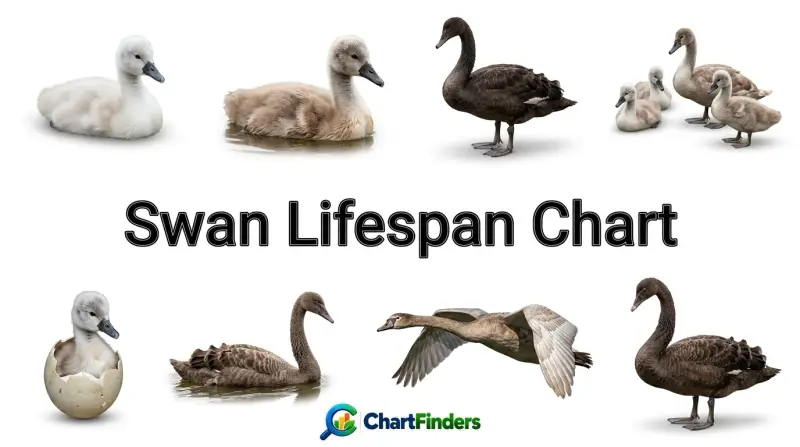
Few birds command the immediate attention, aesthetic appreciation, and curiosity of the swan. With their sweeping necks, powerful wingspans, and graceful movement across water, these waterfowl occupy a prominent place in human culture, folklore, and wildlife observation. Yet, behind their serene presence lies a complex biological reality marked by heavy early-life attrition, strict territorial dynamics, and distinct differences between wild survival rates and the longevity achieved under human care. Understanding how long these birds survive requires looking past simple generalizations to examine species variations, environmental pressures, and the remarkable longevity differences between natural habitats and protected enclosures.
This comprehensive guide explores the structural realities of swan lifespans, examining the data, mortality factors, and life stages that define these remarkable birds. Whether you are observing a local breeding pair on a suburban lake, researching waterfowl biology, or trying to understand the ecological challenges facing migratory populations, examining a detailed swan lifespan chart helps clarify the stark contrast between avian life expectancy in the wild versus captivity.
Swan Lifespan Chart and Comparative Longevity Analysis
- Wild swans typically average 9 to 12 years of life, largely due to high juvenile mortality, predation, and environmental hazards.
- Captive swans protected from predators, food scarcity, and human-wildlife conflict frequently live past 30 years.
- Mute swans represent some of the hardiest wild populations, with documented ringed individuals surviving up to 28 years in nature.
- The highest risk period for any swan occurs during its first year of life, where cygnets face severe threats from weather, starvation, and predators.
- Sexual maturity is typically reached around 3 to 4 years of age, after which annual survival rates stabilize significantly for breeding adults.
To fully grasp avian longevity data, it is necessary to separate anecdotal extremes from scientifically tracked field data. Wildlife agencies and ornithological research programs use leg banding (ringing) and neck collars to track individual birds over decades. The following breakdown illustrates the contrasting lifespans across major swan species and life environments.
| Swan Species | Typical Wild Lifespan | Maximum Wild Record | Typical Captive Lifespan | Maximum Captive Record |
|---|---|---|---|---|
| Mute Swan (Cygnus olor) | 10–12 years | 28 years | 20–30 years | 40+ years |
| Trumpeter Swan (Cygnus buccinator) | 10–12 years | 24 years | 25–35 years | 32+ years |
| Whooper Swan (Cygnus cygnus) | 9–12 years | 26 years | 20–30 years | 30+ years |
| Tundra Swan (Cygnus columbianus) | 8–10 years | 20+ years | 15–25 years | 25+ years |
| Black Swan (Cygnus atratus) | 10–14 years | 20+ years | 20–30 years | 35+ years |
When reviewing these figures, researchers note that average wild lifespans remain low primarily due to the heavy statistical weight of infant and juvenile mortality. A swan that successfully navigates its first three years of life stands a much higher statistical chance of reaching the upper limits of the wild age bracket.
Understanding the Visual Data: Wild vs. Captive Survival Trends
The gap between wild and captive longevity is one of the most striking features of avian demographics. While a human-made or protected environment eliminates natural selection pressures such as starvation and apex predation, it introduces different challenges, including dietary imbalances or confinement stress. Nevertheless, the protective buffer of a controlled habitat routinely doubles or triples a swan’s expected timeline.
| Environmental Factor | Wild Impact on Lifespan | Captive Impact on Lifespan |
|---|---|---|
| Predation | High; foxes, mink, snapping turtles, and raptors target eggs and cygnets. | Negligible; enclosures or managed parks deter predators. |
| Nutrition | Fluctuates seasonally; dependent on natural foraging and weather. | Consistent; balanced commercial feeds and supplemental greens. |
| Disease & Parasites | Unchecked natural spread (e.g., Avian Influenza, lead poisoning). | Managed via veterinary care, quarantine, and medication. |
| Human Conflict | High risk from powerline strikes, boat collisions, and fishing gear. | Low risk; controlled waters and secured boundaries. |
The Life Stages of a Swan: From Egg to Senior Adult
A swan’s journey through life is divided into distinct physiological and behavioral phases. Each stage presents unique survival hurdles that dictate whether the bird will contribute to overall population averages or succumb to natural pressures.
1. Embryonic Stage and Incubation (Days 1–40)
Swans typically form lifelong pair bonds and construct large, mound-like nests near or surrounded by water. Females lay clutches ranging from 4 to 6 large eggs, which both parents fiercely defend. Incubation lasts approximately 32 to 37 days depending on the species. Environmental variables such as late spring freezes or sudden flooding represent the earliest threats to embryonic viability.
2. The Vulnerable Cygnet Phase (Months 1–12)
Hatching marks the beginning of the most perilous period in a swan’s life. Cygnets are precocial—able to swim and feed themselves within hours of hatching—but they rely heavily on their parents for warmth, protection, and guidance. During the first few weeks, cygnets are targeted by avian predators like gulls and corvids, as well as aquatic predators like large fish, snapping turtles, and mammals such as mink and otters. Cold, wet weather can cause hypothermia in small cygnets. Consequently, first-year mortality rates can exceed 50% to 70% in many wild populations.
3. Juvenile and Subadult Independence (Years 1–3)
As cygnets mature into juveniles, their downy feathers are replaced by adult plumage (which is often grey or brown in Mute and Trumpeter species before turning stark white). Toward the end of their first year or approaching the next breeding season, parents actively drive their yearling offspring away—a tough natural lesson in independence. These subadults form flocks with other non-breeding peers, spending 2 to 3 years roaming, feeding, and developing the social skills required to find a lifelong mate.
4. Mature Breeding Adults (Years 4+)
Once a swan finds a permanent mate and establishes a breeding territory—usually between 3 and 5 years of age—its annual survival rate stabilizes dramatically. Experienced adults possess refined predator-avoidance instincts, established feeding grounds, and cooperative defense mechanisms. Barring severe weather events, disease outbreaks, or anthropogenic accidents, healthy adult swans can maintain peak reproductive capacity for over a decade.
5. Advanced Age and Decline
Swans entering their late teens and twenties in the wild begin to experience physical decline. Joint stiffness, wear on their bill structures, decreased reproductive success, and diminished immune response make them increasingly vulnerable to harsh winters, territorial displacement by younger pairs, and opportunistic predators.
Major Mortality Factors Affecting Wild Swan Populations
To understand why wild swans rarely reach the advanced ages seen in captivity, one must examine the specific ecological and human-made pressures they encounter across their ranges.
Predation and Territorial Combat
While adult swans are formidable creatures capable of breaking bones with their wings and defending themselves fiercely against foxes and dogs, they are not immune to predation. Coyotes, wolves, and eagles occasionally take weakened or nesting adults. , intraspecific aggression—territorial fights between rival swan pairs over prime nesting waters—can result in severe injuries, exhaustion, or drowning.
Anthropogenic Hazards (Human Impact)
Modern landscapes present severe hazards to large, heavy-bodied waterfowl that require long runways to take flight:
- Powerline Collisions: Due to their heavy body mass and relatively poor forward vision during rapid flight, swans frequently strike overhead utility and transmission lines, resulting in fatal trauma.
- Lead Poisoning: Swans are bottom-feeders that tip up to reach aquatic vegetation. In doing so, they frequently ingest lost lead fishing sinkers and spent lead shotgun pellets embedded in lakebeds, leading to fatal neurological toxicity.
- Watercraft and Fishing Entanglements: Speedboats, jet skis, and discarded monofilament fishing lines pose severe physical threats, causing lacerations, drowning, or starvation due to impaired mobility.
Environmental and Pathological Pressures
Harsh winters with prolonged ice cover can lock up foraging grounds, causing widespread starvation if birds cannot migrate or find open water. Additionally, disease outbreaks such as Highly Pathogenic Avian Influenza (HPAI) and botulism periodically decimate local and migratory flocks, cutting short the lifespans of otherwise healthy individuals.
Comparing Swan Species: Longevity and Ecological Adaptations
Not all swans share identical life histories. Geographic distribution, migratory habits, and body size influence how different species cope with environmental stress.
Mute Swans (Cygnus olor)
Introduced widely across North America and native to Eurasia, Mute swans are non-migratory in many regions, remaining on urban and rural water bodies year-round. This sedentary lifestyle, combined with supplemental feeding by humans in public parks, contributes to high survival rates. Mute swans hold some of the longest verified wild lifespans, with banded individuals regularly surpassing two decades.
Trumpeter Swans (Cygnus buccinator)
As North America’s largest native waterfowl, Trumpeter swans experienced near-extinction due to historic overhunting for feathers and skin. Successful reintroduction programs have rebuilt their numbers. While wild Trumpeters can live up to 24 years, their reliance on specific northern wetland habitats exposes them to severe winter weather extremes.
Whooper and Tundra Swans
Migratory arctic and sub-arctic breeders like Whooper and Tundra swans face immense physiological demands. Long-distance migration twice a year exposes these populations to hunting pressures, severe storms, and exhaustion, resulting in slightly lower average wild lifespans compared to sedentary urban waterfowl.
How Captivity Extends Swan Longevity
The stark difference between wild and captive lifespans highlights the heavy toll that natural selection takes on wildlife. In managed facilities such as zoological parks, private estates, and wildlife sanctuaries, swans experience conditions that eliminate many primary causes of mortality:
- Veterinary Prophylaxis: Regular deworming, vaccinations against avian viruses, and immediate treatment of injuries prevent minor ailments from becoming fatal.
- Predator-Proof Enclosures: Perimeter fencing and secure night shelters protect birds from nocturnal mammalian predators.
- Ad-Libitum Nutrition: Specially formulated waterfowl pellets paired with fresh greens ensure nutritional deficiencies never compromise immune function, even during harsh winter months.
These factors explain why captive specimens routinely cross the 30-year threshold and occasionally approach 40 years of age.
Frequently Asked Questions
Do swans mate for life, and does losing a mate affect their lifespan?
Yes, swans are famously monogamous and form strong pair bonds that last throughout their lives. If one partner dies, the surviving swan often undergoes a noticeable grieving period, displaying lethargic behavior and reduced feeding. While some birds find a new mate the following season, the stress of loss and temporary lack of territorial defense can increase their vulnerability to predation and environmental hazards.
How can you tell the age of a swan in the field?
Accurately determining the exact age of a wild adult swan by sight alone is difficult. However, age can be broadly estimated by plumage and bill characteristics. Cygnets hatch with grey or brown down, transitioning into dull grey-brown juvenile plumage during their first year. They do not attain their pristine white adult plumage until they are roughly 12 to 18 months old. Bill color, knob size (in Mute swans), and overall body robusticity help differentiate subadults from mature breeding pairs.
At what age do swans stop reproducing?
Swans typically reach sexual maturity around 3 to 4 years of age and maintain reproductive viability for many years. Unlike some animal species that experience a sharp cessation in fertility, swans experience a gradual decline in reproductive output as they enter advanced old age (late teens and twenties). Older pairs may lay smaller clutches, experience lower egg hatchability, or lose their territorial dominance to younger, more aggressive pairs.
Why are banded swans important for lifespan research?
Ornithologists use lightweight numbered leg bands and colored neck collars to track individual birds across their lifetimes. Because wild swans look nearly identical once mature, banding provides the empirical data required to calculate accurate survival rates, monitor migration routes, and understand population dynamics. Recightings and recoveries of ringed birds are the primary source of verified maximum age records.
Are black swans different in lifespan from white swan species?
Black swans (Cygnus atratus), native to Australia, exhibit lifespan patterns similar to northern hemisphere species. In the wild, they typically average 10 to 14 years of life, while captive individuals frequently live between 20 and 30 years or more. Their survival is similarly dictated by water availability, local food sources, and protection from introduced predators like red foxes.
Conclusion
Examining a swan lifespan chart reveals a fascinating story of contrast. In the wild, these magnificent birds contend with harsh environmental pressures, high first-year cygnet mortality, and anthropogenic hazards that keep average life expectancy between 9 and 12 years. Yet, for those individuals resilient enough to navigate early adulthood and establish stable territories, survival can stretch past two decades. In the safety of captivity, free from predators and food scarcity, swans regularly exceed three decades of life. Recognizing these dynamics provides a deeper appreciation for the ecological challenges waterfowl face and underscores the importance of protecting wetland habitats for future generations.