
Deciding to bring a feline companion into your home is an exciting milestone, but prospective cat parents often face a pivotal preliminary question: should you adopt a male or a female cat? While a cat’s individual personality, genetics, and early socialization play the most monumental roles in shaping their adult temperament, biological sex does introduce distinct behavioral tendencies, physical dimensions, and health considerations. Understanding these nuances helps ensure that your new pet’s energy level and lifestyle align with your household dynamics.
(Reference: Aggression in Cats | ASPCA)For decades, folklore and anecdotal pet owner myths have attempted to pigeonhole male cats as lazy cuddle bugs and female cats as aloof royalty, or vice versa. Modern veterinary science and animal behavior research paint a much more nuanced picture. While sexual dimorphism dictates clear physiological differences—such as bone structure, weight, and hormonal drives—the boundary between male and female behavioral traits narrows significantly once cats are spayed or neutered. This comprehensive guide breaks down the biological realities, medical considerations, behavioral traits, and explicit pros and cons of both genders to help you make an informed choice.
Explore our detailed breakdown on Types of Wild Cats (Complete Field Identification).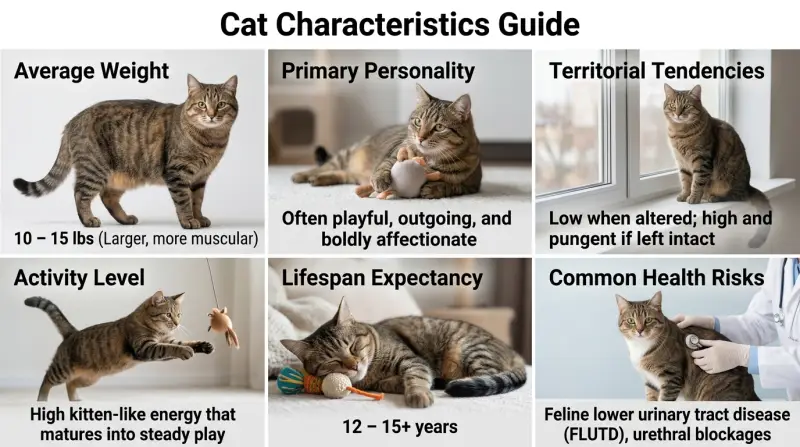
Male Vs Female Cats Pros And Cons
- Size and Stature: Male cats (tomcats) are generally larger and heavier due to testosterone-driven sexual dimorphism, typically weighing 10 to 15 pounds, compared to females at 8 to 12 pounds.
- The Alteration Factor: Unaltered hormones dictate problematic behaviors; neutering and spaying eliminate territorial spraying, roaming urges, and vocal heat cycles while harmonizing temperaments.
- Affection Profiles: Neutered male cats frequently earn a reputation for being remarkably affectionate and overtly playful, while females often lean toward independent, observant companionship.
- Territorial Dynamics: Intact males are notoriously territorial, but altered males and females can both coexist peacefully with other pets when introduced properly.
- Lifespan and Health: Spayed female cats statistically hold a slight edge in average lifespan, partly due to lower risks associated with outdoor roaming and fighting injuries.
- Coat Genetics: Certain coat colors, such as calico and tortoiseshell, are almost exclusively female due to sex-linked genetic chromosome mapping.
Evaluating male vs female cats pros and cons requires looking past superficial stereotypes and examining the day-to-day realities of living with each sex. Below is an exhaustive breakdown of what you can expect from male and female felines across various categories, from physical presentation to behavioral quirks.
| Attribute | Male Cats (Neutered) | Female Cats (Spayed) |
|---|---|---|
| Average Weight | 10 – 15 lbs (Larger, more muscular) | 8 – 12 lbs (Smaller, finer-boned) |
| Primary Personality | Often playful, outgoing, and boldly affectionate | Often selective, observant, and independent |
| Territorial Tendencies | Low when altered; high and pungent if left intact | Generally low; can be protective of personal space |
| Activity Level | High kitten-like energy that matures into steady play | Agile, calculated hunters with bursts of high energy |
| Lifespan Expectancy | 12 – 15+ years | 14 – 18+ years |
| Common Health Risks | Feline lower urinary tract disease (FLUTD), urethral blockages | Pyometra (if intact), mammary tumors (mitigated by early spaying) |
The table above highlights core biological and behavioral distinctions. However, translating these attributes into daily household life requires analyzing the specific advantages and disadvantages associated with each gender.
Male Cats: Exploring the Pros and Cons
Male cats bring a robust physical presence and an often endearing, goofy charm to a home. When properly neutered at a young age, male cats shed the aggressive and pungent behaviors associated with wild tomcats, revealing a gentle and companionable nature.
Pros of Male Cats
- Overt Affection: Many owners and shelter workers report that neutered male cats are exceptionally “people-oriented,” frequently seeking out lap time, headbutting, and demanding interactive cuddle sessions.
- Playful Demeanor: Male cats often retain a juvenile, playful spirit well into their adult years. They are enthusiastic participants in feather wand games, fetch, and wrestling toys.
- Easier Multi-Cat Integration: Neutered males often integrate smoothly into homes with existing pets, displaying less guarded defensiveness than some territorial females.
- Impressive Physical Presence: For owners who appreciate a substantial, heavy-boned cat with a broad face and muscular build, male cats satisfy that aesthetic.
Cons of Male Cats
- Urethral Blockage Risks: Due to their narrower urethral tracts, male cats—particularly those who are overweight or eat exclusively dry diets—face a higher clinical risk of life-threatening urinary tract blockages.
- Intact Spraying Habits: If left unneutered, male cats spray foul-smelling urine to mark territory indoors and will howl relentlessly to escape outdoors in search of mates.
- Rougher Play Style: Their larger size and muscular build mean that uninhibited wrestling or playful swatting can occasionally feel more intense than with smaller females.
Female Cats: Exploring the Pros and Cons
Female cats (queens) are celebrated for their grace, intelligence, and self-sufficiency. They make exceptional companions for owners who appreciate a cat that respects personal boundaries while offering deep, meaningful bonds.
Pros of Female Cats
- Longevity Statistics: Spayed female cats statistically enjoy longer lifespans on average, often thriving well into their late teens when provided optimal indoor care and nutrition.
- Lower Urinary Risk: Their anatomical structure features a wider, shorter urethra, making them statistically less susceptible to complete urinary blockages compared to males.
- Poised Independence: Female cats are superb at entertaining themselves. They make ideal companions for busy professionals who want an affectionate pet that does not require constant validation.
- Exceptional Cleanliness: Queens are often meticulous groomers and tend to be very disciplined regarding litter box habits and household boundaries.
Cons of Female Cats
- Stronger Independence: The flip side of self-sufficiency is that female cats can sometimes appear aloof, choosing when and how they receive affection rather than catering to human schedules.
- Intact Heat Cycles: Unspayed females experience intense, noisy heat cycles (estrus) every few weeks, characterized by yowling, rolling on the floor, and desperate escape attempts.
- Surgical Complexity: A spay procedure (ovariohysterectomy) is an intra-abdominal surgery, which is slightly more invasive and carries a marginally longer recovery window than a routine male neuter.
Detailed Comparative Analysis: Biology, Behavior, and Care
To fully understand male versus female cats, it is helpful to explore how physiological foundations translate into everyday management, medical profiles, and interpersonal bonding dynamics.
Anatomical and Physiological Differences
Sexual dimorphism in felines is governed primarily by genetics and hormones. Adult male cats (tomcats if unneutered) possess broader cheek jowls, thicker skin on their necks (an evolutionary adaptation for fighting and mating), and a heavier bone structure. Their average weight spans 10 to 15 pounds. In contrast, female cats typically range between 8 and 12 pounds, featuring sleeker, more delicate skeletal frames.
Anatomically, the urinary tract presents the most critical medical distinction. Male cats have a long, narrow, and tapering urethra that makes them exceptionally prone to urethral obstructions if urinary crystals, mucus plugs, or inflammation occur. Female cats have a much wider and shorter urethra, which drastically reduces the likelihood of a complete, fatal blockage, though they remain susceptible to bacterial urinary tract infections (UTIs) and feline idiopathic cystitis (FIC).
Behavioral Nuances: Nature Versus Nurture
While folklore suggests female cats are naturally superior mousers or that male cats are inherently more docile, animal behaviorists emphasize that socialization is far more influential than gender. Kittens handled gently by humans between 2 and 7 weeks of age develop robust human-directed social bonds regardless of sex. However, once hormones surge at puberty (around 5 to 6 months of age), intact biology dictates profound behavioral deviations:
- Intact Males: Driven by testosterone, these cats roam vast territories, engage in violent altercations with rival males, and spray pungent urine to broadcast their presence.
- Intact Females: Driven by estrogen cycles, queens undergo frequent estrus periods accompanied by intense vocalizations, restless pacing, and rolling behaviors designed to summon roaming males.
Once altered, these hormone-driven behaviors disappear or fail to develop, allowing the cat’s individual personality to shine through.
The Hormonal Factor: Why Spaying and Neutering Changes Everything
Any discussion regarding male vs female cats pros and cons is incomplete without highlighting the transformative role of sterilization. Unaltered cats are slaves to ancient biological imperatives that completely override their domestic personalities.
In unneutered male cats, surging testosterone drives intense territorial marking (spraying pungent urine on vertical surfaces), fierce fighting with other tomcats over territory and mates, and a dangerous compulsion to roam over massive distances, exposing them to cars, predators, and infectious feline diseases like FIV. Neutering a male cat before puberty (typically around 4 to 6 months of age) permanently prevents these behaviors in the vast majority of cases.
For unspayed female cats, hormones trigger estrus cycles that disrupt households with incessant nocturnal howling and pacing. , unspayed females face severe medical vulnerabilities later in life, including pyometra (a fatal uterine infection) and aggressive mammary gland tumors. Spaying eliminates these reproductive health risks entirely while calming behavioral volatility.
Dispelling Common Myths About Cat Gender
Feline folklore is filled with persistent misconceptions that often mislead adopters. Recognizing these myths prevents poor matching decisions at animal shelters.
- Myth: Male cats are lazy and females are vicious. Reality: Activity levels and sweetness are governed by individual genetics, socialization during the critical kitten window (2 to 7 weeks), and handling—not gender.
- Myth: Female cats are better mousers. Reality: Hunting prowess is an individual predatory drive influenced by early maternal teaching and hunger, not sex. Both male and female cats are exceptional mousers.
- Myth: Male cats won’t get along with other male cats. Reality: Once neutered, two males raised or properly introduced together often form exceptionally tight bond pairs, frequently wrestling and grooming one another.
Practical Decision Framework: Which Gender Suits Your Lifestyle?
Selecting the right cat should depend less on gender stereotypes and more on your living situation, personal schedule, and household makeup.
- Assess Your Time and Interaction Preferences: If you yearn for a high-energy shadow that greets you at the door, demands lap time, and engages in active play, a neutered male cat is often an ideal match. If you prefer a dignified, intelligent companion who enjoys lounging nearby while you work, a female cat may fit better.
- Evaluate Multi-Pet Dynamics: If you already own pets, focus heavily on their current socialization level. A well-socialized, altered cat of either sex can adapt to a multi-pet home, though careful, slow introductions matter far more than biological sex.
- Consider Veterinary Preparedness: Understand the medical baselines. Male cats require vigilance regarding urinary health (hydration, wet food diets), while female cats require a slightly more involved surgical recovery post-spay.
Frequently Asked Questions
Both genders form deep, profound attachments to their human caregivers. While male cats are frequently stereotyped as more outwardly demanding of attention and affection, many female cats form intensely devoted, velcro-like bonds with their chosen person. Individual personality and early positive human socialization dictate bonding strength far more than biological sex.
Both male and female cats possess an instinctive drive to bury their waste, making litter box training remarkably straightforward for both sexes. Problems with inappropriate elimination are almost invariably linked to medical issues (such as urinary tract infections), dirty litter boxes, stress, or unsterilized hormonal marking rather than the cat’s gender.
Neutered male cats are often praised for families because their playful, resilient, and bold demeanor allows them to tolerate the active environment of a household with children. However, individual temperament is ; a gentle, tolerant, well-socialized female cat will thrive just as wonderfully in a family setting.
Neutered male cats rarely spray urine to mark territory. If a neutered male begins spraying indoors, it is almost always triggered by underlying stress (such as stray cats outside the window, recent home changes, or multi-cat conflict) or a medical condition like a urinary tract infection, rather than baseline hormonal tomcat behavior.
Yes, genetic reality dictates that calico, tortoiseshell, and torbie coat colorations require two X chromosomes. Because female cats possess an XX chromosome pairing, they carry these multicolored coats. Male cats have an XY pairing; for a male cat to display calico or tortoiseshell coloring, he must possess a rare genetic abnormality (XXY chromosomes, known as Klinefelter syndrome), and such males are almost universally sterile.
Conclusion
When weighing the pros and cons of male versus female cats, biology provides a baseline framework regarding size, lifespan, and anatomical health risks, but it does not dictate personality. Both neutered males and spayed females make affectionate, entertaining, and deeply rewarding companions. Rather than choosing your next feline friend based strictly on gender, prioritize evaluating the cat’s individual temperament, energy level, and compatibility with your household rhythm. By looking past outdated myths and focusing on proper veterinary care, socialization, and love, you will find the perfect feline addition to your home.