
Quick Answer: A meat cholesterol chart categorizes the cholesterol and saturated fat content across various animal proteins (beef, pork, poultry, seafood, and organ meats). Generally, red meats, poultry with skin, and particularly organ meats (like liver) contain higher amounts of dietary cholesterol and saturated fat, whereas fish, shellfish, and lean skinless cuts vary widely. Modern cardiovascular guidelines emphasize that while dietary cholesterol impacts individuals differently, replacing high-saturated-fat animal proteins with plant-based alternatives is most effective for lowering LDL cholesterol.
(Reference: About Cholesterol | Cholesterol | CDC)Navigating the nutritional profiles of dietary proteins requires looking beyond broad categories and examining exact values. When trying to manage serum lipid levels or understand dietary intake, relying on generalized assumptions—such as assuming all white meat is automatically heart-healthy or that every cut of beef carries identical nutritional weight—often leads to dietary missteps. Updated cardiovascular care standards from major health organizations that the interplay between dietary fats, total cholesterol, and individual metabolic response is nuanced, requiring precise data rather than blunt dietary rules.
Explore our detailed breakdown on Types Of Frogs.This master guide breaks down the science, measurements, and practical applications of a comprehensive meat cholesterol chart. By examining how different animal and alternative proteins compare, understanding the physiological mechanisms of dietary cholesterol, and reviewing current clinical recommendations, you can make informed decisions tailored to your health objectives.
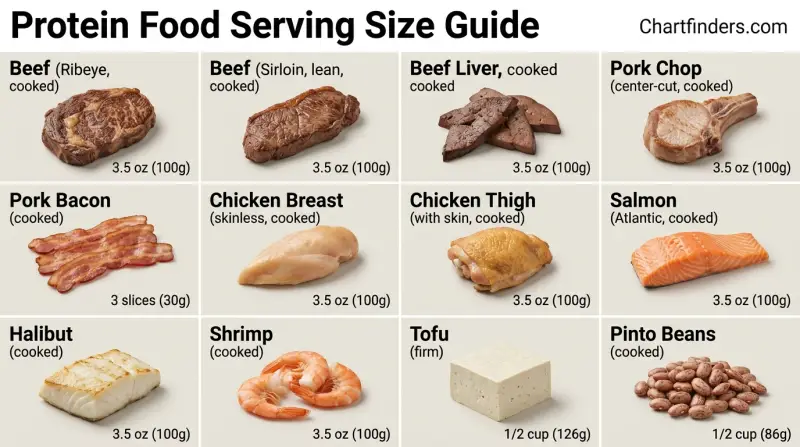
Meat Cholesterol Chart: Comprehensive Nutritional Breakdown
- Dietary cholesterol and saturated fat vary dramatically across different meats, species, and anatomical cuts.
- Organ meats (such as liver and kidneys) contain exceptionally high concentrations of cholesterol compared to standard muscle cuts.
- Seafood profiles span a wide spectrum; while many fish are lean and low in cholesterol, certain shellfish like shrimp have higher cholesterol counts despite being low in saturated fat.
- Modern clinical guidelines prioritize plant-forward eating patterns (Mediterranean, DASH, and vegetarian diets) as first-line defense for elevated LDL cholesterol.
- Misconceptions persist regarding lean red meat and skinless poultry; while lower in fat than fatty cuts, they still contribute to overall saturated fat intake.
Understanding the exact nutritional composition of your food begins with standardized measurements. Below is a comprehensive reference table outlining the cholesterol, total fat, and saturated fat content across various popular meats, seafood options, and plant-based protein alternatives per standard 3.5-ounce (100-gram) cooked portions (unless otherwise noted).
| Protein Category & Item | Portion Size | Cholesterol (mg) | Total Fat (g) | Saturated Fat (g) |
|---|---|---|---|---|
| Beef (Ribeye, cooked) | 3.5 oz (100g) | 88 | 21.0 | 9.0 |
| Beef (Sirloin, lean, cooked) | 3.5 oz (100g) | 75 | 8.0 | 3.0 |
| Beef Liver, cooked | 3.5 oz (100g) | 396 | 5.2 | 1.7 |
| Pork Chop (center-cut, cooked) | 3.5 oz (100g) | 80 | 9.5 | 3.3 |
| Pork Bacon (cooked) | 3 slices (30g) | 30 | 12.0 | 4.0 |
| Chicken Breast (skinless, cooked) | 3.5 oz (100g) | 85 | 3.6 | 1.0 |
| Chicken Thigh (with skin, cooked) | 3.5 oz (100g) | 135 | 15.0 | 4.2 |
| Salmon (Atlantic, cooked) | 3.5 oz (100g) | 63 | 12.0 | 2.0 |
| Halibut (cooked) | 3.5 oz (100g) | 41 | 3.0 | 0.5 |
| Shrimp (cooked) | 3.5 oz (100g) | 194 | 1.5 | 0.3 |
| Tofu (firm) | 1/2 cup (126g) | 0 | 11.0 | 2.0 |
| Pinto Beans (cooked) | 1/2 cup (86g) | 0 | 1.0 | 0.0 |
When analyzing this data, it is crucial to look at more than just the raw cholesterol numbers. Saturated fat content plays an equally—if not more—influential role in how the human liver processes and manufactures cholesterol.
Decoding Animal Protein Categories
Animal proteins are not a monolith. The physiological impact of eating meat depends heavily on the animal species, the specific cut, and preparation methods. Broadly speaking, meats can be segmented into three distinct groups regarding lipid profiles:
- Ruminant Meats (Beef, Lamb, Veal): These meats generally feature higher ratios of saturated fatty acids. While lean cuts like sirloin or tenderloin moderate the total fat load, marbling (intramuscular fat) significantly increases saturated fat content, which drives up LDL particle production in susceptible individuals.
- Monogastric Meats (Pork, Poultry): Pork and chicken exhibit variable profiles. Skinless white meat poultry is notably lower in saturated fat, whereas dark meat and skin dramatically elevate both fat and cholesterol totals. Pork cuts range from lean tenderloins to high-fat processed options like bacon and sausage.
- Organ Meats (Offal): Liver, kidney, heart, and brain are nutritional powerhouses for vitamins and minerals, but they are also exceptionally dense in dietary cholesterol. Beef liver, for instance, exceeds 390 mg of cholesterol per standard serving, making it a critical item to monitor for anyone managing hypercholesterolemia.
Seafood and Marine Proteins
Seafood occupies a unique position in any meat cholesterol chart. Finfish (such as salmon, halibut, and tuna) are celebrated for their omega-3 fatty acids and generally favorable lipid profiles. Shellfish, however, present an interesting biochemical paradox:
Many crustaceans and mollusks—most notably shrimp, squid, and crab—contain moderate to high levels of dietary cholesterol. However, they are simultaneously very low in total fat and saturated fat. Contemporary clinical consensus notes that for the general population, the low saturated fat content in seafood largely mitigates the impact of its dietary cholesterol on blood serum levels.
The Science of Dietary Cholesterol vs. Blood Cholesterol
To fully understand why a meat cholesterol chart matters, one must grasp how the human body handles ingested lipids. For decades, nutritional guidelines placed strict caps on dietary cholesterol (recommending no more than 300 mg per day). Modern science has refined this perspective.
Dietary cholesterol is found exclusively in animal products. When you consume meat, your digestive tract absorbs a portion of this cholesterol. However, the human liver synthesizes the vast majority (roughly 75% to 80%) of the cholesterol circulating in your bloodstream; dietary intake accounts for only a fraction.
Despite this, dietary components still matter significantly:
- The Saturated Fat Connection: Saturated fatty acids—abundant in fatty red meats, full-fat dairy, and tropical oils—stimulate the liver to downregulate LDL receptors. Fewer receptors mean fewer circulating LDL particles are cleared from the blood, leading to rising serum LDL levels.
- Hyper-Responders vs. Hypo-Responders: Approximately 20% to 30% of the population are classified as “hyper-responders.” In these individuals, dietary cholesterol intake directly and sharply influences blood cholesterol levels. For hypo-responders, dietary cholesterol has minimal impact on serum levels, though saturated fat remains a universal driver of cardiovascular risk.
Clinical Guidelines and Plant-Based Shifts
The landscape of cardiovascular health guidelines has evolved significantly. Updated consensus statements from major cardiology bodies emphasize a decisive pivot toward plant-forward dietary patterns as the primary line of intervention for elevated LDL cholesterol and cardiovascular risk reduction.
Recent epidemiological and clinical data highlight several key shifts in professional recommendations:
- First-Line Dietary Intervention: The Mediterranean diet, the DASH (Dietary Approaches to Stop Hypertension) diet, and strictly vegetarian or plant-forward eating patterns are now formally prioritized over simple low-fat or calorie-restricted diets.
- The Fallacy of “Lean Meat” Halos: Public health surveys indicate that a significant percentage of adults misunderstand the impact of chicken and lean red meats. While they are preferable to heavily marbled or ultra-processed meats, they do not actively lower LDL cholesterol in the way that soluble fiber and plant proteins do.
- The Power of Plant Proteins: Legumes, beans, lentils, tofu, and tempeh provide zero dietary cholesterol and contain virtually no saturated fat. , they supply viscous soluble fiber, which actively binds to bile acids in the gut, forcing the liver to pull cholesterol from the bloodstream to manufacture new bile—thereby actively lowering serum LDL.
Practical Application: How to Use a Meat Cholesterol Chart for Meal Planning
Having access to data is only useful if it translates into actionable kitchen habits. Integrating a meat cholesterol chart into your weekly meal planning requires balancing nutritional targets with culinary satisfaction and macro-nutrient adequacy.
Selection and Sourcing Criteria
When purchasing animal proteins, apply these evidence-based selection rules:
- Inspect the Cut: For beef and pork, look for cuts labeled “loin” or “round” (e.g., pork tenderloin, beef sirloin). Trim visible fat before cooking.
- Manage Poultry Preparation: Always remove the skin from chicken and turkey either before cooking or immediately prior to consumption. Skin accounts for a disproportionate share of saturated fat and cholesterol.
- Limit Processed Meats: Avoid or strictly minimize sausages, hot dogs, salami, and bacon. These items combine high saturated fat with sodium and chemical preservatives, which independently elevate cardiovascular and metabolic risks.
- Prioritize Fatty Fish: Substitute red meat with fatty fish (salmon, mackerel, sardines) at least twice a week to the cardiovascular benefits of omega-3 polyunsaturated fats.
Portion Control and Frequency
Current cardiology guidelines do not necessarily mandate total elimination of animal proteins for healthy individuals, but they do stress moderation:
- Keep serving sizes of cooked meat to roughly 3 to 4 ounces (about the size of a deck of cards).
- Limit red meat consumption to no more than 1 to 2 servings per week if you are actively managing high LDL cholesterol or cardiovascular disease.
- Incorporate plant-based protein days (e.g., lentil stews, tofu stir-fries, bean-based chilis) multiple times a week to displace animal fat and boost fiber intake.
Common Mistakes and Misconceptions
When managing dietary cholesterol and heart health, several persistent myths frequently derail dietary progress. Recognizing these pitfalls ensures more effective long-term health management.
- Mistake 1: Confusing “Low Fat” with “Low Cholesterol”: Many consumers assume that if a food is labeled low-fat, it must be free of cholesterol, or vice versa. For instance, egg yolks and shrimp are relatively low in saturated fat yet remarkably high in dietary cholesterol. Conversely, certain plant oils are cholesterol-free yet high in saturated fats (like coconut oil).
- Mistake 2: Relying Solely on Chicken and Turkey: While poultry is a staple of heart-conscious diets, eating skin-on dark meat daily delivers a saturated fat load comparable to certain cuts of beef. Preparation methods—such as deep frying or heavy breading—further negate poultry’s inherent health advantages.
- Mistake 3: Ignoring Cooking Fats and Methods: Grilling or pan-searing a lean steak in butter, beef tallow, or heavy oils introduces massive amounts of saturated fat that eclipse the natural profile of the meat itself. Cooking methods matter just as much as the raw cut.
- Mistake 4: Disregarding Individual Metabolic Health: Assuming a universal dietary prescription applies to everyone ignores genetic variations, insulin sensitivity, and baseline lipid panels. Periodic blood work and consultation with a registered dietitian or cardiologist remain essential.
Frequently Asked Questions
For most people, no. Foods high in dietary cholesterol—such as shrimp or eggs—have a relatively minor impact on blood serum cholesterol levels because the liver tightly regulates its own internal cholesterol production. The primary dietary driver of elevated blood LDL cholesterol is saturated fat, not dietary cholesterol itself. However, individuals classified as hyper-responders should still monitor their intake under medical guidance.
Grass-fed beef typically has a slightly more favorable fatty acid profile than grain-fed beef, often containing higher amounts of omega-3 fatty acids and conjugated linoleic acid (CLA). However, in terms of total cholesterol and total saturated fat content, the differences between grass-fed and grain-fed muscle cuts are relatively minor. Both will raise LDL cholesterol if consumed in large quantities.
Organ meats like liver and kidneys are exceptionally dense in vital micronutrients such as vitamin A, iron, B12, and copper. However, because their cholesterol and nutrient concentrations are so high, they are generally classified as occasional foods rather than dietary staples—especially for individuals with hypercholesterolemia or established cardiovascular disease.
Yes. A wide variety of plant foods—including beans, lentils, chickpeas, tofu, tempeh, edamame, quinoa, and hemp seeds—provide complete or complementary amino acid profiles required for human health. , plant proteins come packaged with dietary fiber, antioxidants, and zero cholesterol or saturated fat, making them exceptionally heart-protective.
Standard clinical practice recommends re-evaluating a lipid panel (total cholesterol, HDL, LDL, and triglycerides) every 8 to 12 weeks after making significant dietary or lifestyle interventions. This timeframe allows your liver and metabolic pathways enough time to reflect the changes in your dietary fat and fiber intake.
Conclusion
A meat cholesterol chart serves as an invaluable reference tool for understanding the complex nutritional realities of animal and plant proteins. While dietary cholesterol and saturated fat affect individuals differently based on genetics and metabolic health, current clinical evidence consistently points toward moderation in animal protein consumption and an embrace of plant-forward nutrition. By evaluating exact nutritional metrics, prioritizing lean cuts or marine proteins, and incorporating fiber-rich plant alternatives, you can successfully navigate your dietary choices to support long-term cardiovascular wellness.