
The Persian cat is one of the most recognizable and enduringly popular feline breeds in the world, instantly distinguished by its luxurious long coat, sweet-expressioned round face, and serene disposition. Yet, bringing a Persian into your home is a major commitment that extends far beyond admiring their aesthetic appeal. Evaluating the breed requires looking past the surface glamour to understand the daily reality of coexisting with their specific physical, medical, and behavioral traits.
For potential owners, understanding both sides of the equation is essential. While their gentle demeanor and low-energy lifestyle fit into tranquil indoor environments, their intensive maintenance schedule and predisposition to specific health challenges can catch unprepared owners off guard. This guide explores the complete spectrum of Persian cat ownership, dissecting the true advantages and challenges to help you determine if this iconic breed is the right match for your lifestyle, time commitments, and home environment.
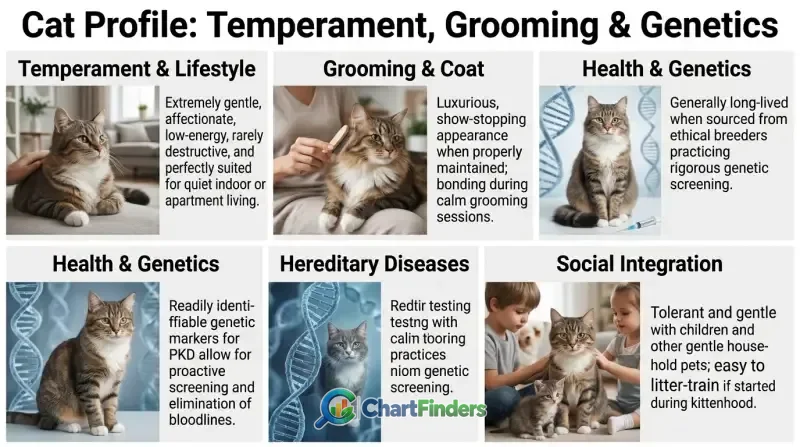
Persian Cat Pros And Cons
- Temperament: Exceptionally calm, quiet, and affectionate, making them ideal for apartment living and relaxed households.
- Maintenance: Daily grooming is non-negotiable to prevent severe coat matting, skin infections, and discomfort.
- Health Vulnerabilities: Brachycephalic facial structure leads to respiratory and ocular challenges requiring lifelong monitoring.
- Genetic Screening: Reputable breeders must provide DNA and ultrasound clearances for Polycystic Kidney Disease (PKD) and screening for hypertrophic cardiomyopathy (HCM).
- Exercise Profile: Very low energy levels; they prefer lounging on a soft lap or sunny windowsill over active climbing or destructive play.
- Environmental Sensitivity: They thrive in predictable, quiet indoor environments and can become stressed in chaotic, loud households.
Weighing the advantages and disadvantages of the Persian breed requires a structured look at how their unique biology and personality translate into everyday ownership. The following matrix contrasts the primary positive attributes of Persians against the notable challenges owners routinely face.
| Category | Persian Pros (Advantages) | Persian Cons (Challenges) |
|---|---|---|
| Temperament & Lifestyle | Extremely gentle, affectionate, low-energy, rarely destructive, and perfectly suited for quiet indoor or apartment living. | Sensitive to loud noises and household chaos; can become easily overwhelmed or withdrawn in high-traffic environments. |
| Grooming & Coat | Luxurious, show-stopping appearance when properly maintained; bonding opportunity during calm grooming sessions. | Mandatory daily brushing and combing; high risk of painful matting; heavy year-round shedding; daily tear-stain wiping. |
| Health & Genetics | Generally long-lived when sourced from ethical breeders practicing rigorous genetic screening. | Brachycephalic syndrome (breathing/heat sensitivity), progressive retinal atrophy, dental crowding, and hip dysplasia risks. |
| Hereditary Diseases | Readily identifiable genetic markers for PKD allow for proactive screening and elimination of affected bloodlines. | High risk of Polycystic Kidney Disease (PKD) in unverified lines; potential for Hypertrophic Cardiomyopathy (HCM). |
| Social Integration | Tolerant and gentle with children and other gentle household pets; easy to litter-train if started during kittenhood. | Not typically lap-demanding in an overwhelming way, but require patience; may struggle with rough handling or overstimulation. |
Analyzing these contrasting points reveals that Persian cats are a high-maintenance pet wrapped in a low-energy package. Understanding the distinct dimensions of their care requirements ensures that owners are fully prepared before bringing a kitten or adult Persian home.
The Advantages of Persian Cat Ownership
For the right owner, the rewards of living with a Persian cat far outweigh the logistical challenges. Their personality traits make them uniquely beloved companions across generations.
Calm, Quiet, and Non-Destructive Temperament
Unlike high-energy breeds that scale curtains, knock items off high shelves, or demand constant stimulation, Persians are famously laid-back. Their play style is refined and gentle. They rarely engage in destructive scratching of furniture provided they have basic scratching posts, and their soft, melodious vocalizations mean you will rarely hear loud, persistent meowing. This makes them exceptionally well-suited for apartment living, condominiums, and homes where peace and quiet are prioritized.
Affectionate and Gentle Social Nature
Persians are deeply devoted to their human companions. While they are not typically clingy or hyperactive, they enjoy sharing a sofa, sleeping at the foot of the bed, or sitting nearby while you work. They form strong attachments to familiar family members and greet them with quiet, understated affection. , their tolerant disposition makes them gentle with respectful children and peaceful with other docile household pets, such as calm dogs or other senior cats.
Low Exercise and Space Requirements
Because of their stocky build and relaxed attitude, Persians do not require large spaces to burn off energy. They do not possess a strong instinct to climb to the highest point in the room, meaning standard vertical cat trees are often underutilized by this breed. A comfortable cushion, a sunny patch on the floor, and easy access to food, water, and a litter box are all a Persian requires to feel entirely content.
The Disadvantages and Challenges of Persian Cats
While their personality is easy to love, the physical and medical realities of Persian cats demand significant time, financial investment, and vigilance from their owners.
Intensive, Non-Negotiable Grooming Requirements
The single biggest challenge of Persian ownership is their magnificent double coat. Because their fur is fine, dense, and long, it traps loose hair quickly. If left unbrushed for even a few days, the undercoat twists into tight mats that pull painfully on the skin, potentially leading to severe skin infections, hot spots, or the necessity of a complete lion cut shave down. Daily grooming with a steel comb and slicker brush is not optional; it is an absolute requirement that takes time and patience.
Brachycephalic Anatomy and Health Vulnerabilities
The trademark flat face of the modern Persian—known as the “peke-face” or extreme brachycephalic type—comes with significant structural compromises. Their shortened nasal passages can lead to chronic breathing difficulties, snoring, and a reduced tolerance for warm or humid environments. Additionally, their tear ducts often drain improperly, overflowing onto the face and requiring daily wiping to prevent staining, skin fold dermatitis, and eye irritation.
Genetic Health Risks and Veterinary Costs
Persians are unfortunately predisposed to several inherited conditions. Polycystic Kidney Disease (PKD), a genetic disorder that causes cyst formation and eventual kidney failure, was once widespread in the breed, though DNA testing has drastically reduced its prevalence in ethical breeding programs. Other concerns include progressive retinal atrophy (PRA), dental malocclusion due to crowding in a shortened jaw, gingivitis, and occasionally hip dysplasia. Veterinary bills for preventive care and managing breed-specific conditions can accumulate rapidly.
Understanding Persian Cat Sub-Types: Traditional vs. Extreme
When researching Persian cats, owners often encounter distinct visual variations that impact both their health and daily care needs. Recognizing these distinctions is vital for prospective owners.
Traditional (Doll Face) Persians
The traditional Persian, often called the “doll-face” Persian, features a slightly more prominent muzzle and a profile that resembles historical photographs of the breed from the late 19th and early 20th centuries. Because their facial structure is less extreme:
- Their nasal passages are longer, resulting in significantly fewer respiratory obstructions and less severe breathing issues.
- Their tear ducts drain more naturally, dramatically reducing chronic eye staining and facial skin fold infections.
- They maintain the classic, sweet Persian temperament while mitigating many of the structural health hurdles associated with extreme breeding trends.
Extreme (Peke-Face) Persians
The extreme or “peke-face” Persian was bred to feature a dramatically flattened face where the nose sits level with or higher than the eyes. While popular in the show ring:
- They require much more intensive daily hygiene management, particularly around the eyes and facial folds.
- They are far more sensitive to heat and physical exertion due to compromised airflow.
- Eating and drinking can occasionally be more physically challenging, sometimes requiring specialized shallow bowls.
Daily Care, Maintenance, and Environmental Setup
Providing a high quality of life for a Persian cat requires tailoring your home environment and daily routine to accommodate their specific needs.
The Daily Grooming Protocol
Establishing a predictable grooming routine from kittenhood is essential. Owners should set aside 15 to 20 minutes every single day to work through the coat systematically, starting with a wide-toothed comb to check for tangles near the skin and finishing with a soft bristle brush to smooth the topcoat. Special attention must be paid to high-friction areas prone to matting, such as under the armpits, around the collar, behind the ears, and on the lower belly. Bathing every four to six weeks helps keep the fine coat free of excess oils and dander.
Managing the Environment and Household Dynamics
Because Persians are sensitive to temperature extremes and loud noises, creating a safe sanctuary within the home is important. Keep their living areas well-ventilated and air-conditioned during hot summer months to prevent heat stress. Designate a quiet room away from heavy foot traffic, loud appliances, or boisterous household activity where the cat can retreat to rest undisturbed. , their gentle disposition means they can suffer from separation anxiety or stress in chaotic homes, making calm boundaries essential.
Litter Box and Sanitation Considerations
Due to their long leg feathers and heavy tail hair, Persians can easily track litter or accidentally soil their hindquarters. Utilizing low-entry litter boxes with fine, low-dust litter helps protect their sensitive respiratory systems and makes access easier, especially for senior cats. When incorporating modern automated litter boxes, owners should verify that the unit features advanced anti-pinch radar and sensitive weight sensors suitable for a slower-moving, gentle breed that tends to linger. Regular sanitary trims—clipping the fur around the rear end—are also standard practice for long-haired breeds to maintain daily hygiene.
Frequently Asked Questions
Persians can be wonderful for first-time owners who have a calm lifestyle and are fully committed to daily grooming and indoor care. However, they are not suitable for owners looking for a “low-maintenance” pet. The time required for coat maintenance and monitoring health issues demands dedication.
Yes. Despite their luxurious coats, Persians shed moderately to heavily year-round, with increased shedding during seasonal coat changes in spring and autumn. Daily brushing is the only way to capture loose hair before it ends up on your furniture and clothing.
With proper indoor care, high-quality nutrition, and proactive veterinary management, a healthy Persian cat typically lives between 12 and 15 years, and occasionally longer.
No cat breed is truly hypoallergenic, and Persians are actually frequent producers of dander due to their dense coats and skin maintenance requirements. They are generally not recommended for individuals with severe cat allergies.
Yes, Persians generally get along very well with calm, well-behaved dogs and children who understand how to handle animals gently. Because Persians are docile and prefer to avoid conflict, they will usually retreat rather than scratch if handled too roughly, making supervision with very young children essential.
Conclusion
Persian cats occupy a unique place in the feline world, offering unmatched beauty, a serene and loving disposition, and a peaceful presence that enriches any quiet home. However, their wonderful personality traits come packaged with significant responsibilities. From mandatory daily grooming sessions to lifelong monitoring of brachycephalic health traits and genetic screenings, they require an owner who is informed, attentive, and financially prepared for specialized care. By carefully weighing these pros and cons, you can decide with confidence whether a Persian cat is the perfect, harmonious addition to your household.